There’s a particular kind of satisfaction that comes from a home that works well.
Not a perfectly styled interior from a magazine shoot. Not an expensive renovation. Just a space where everything feels considered, comfortable, and genuinely easy to live in.
The truth is, the upgrades that make the biggest difference to everyday life are rarely the dramatic ones. They tend to be smaller, more intentional choices: the way something is stored, the way a wall is used, the way a room feels underfoot at seven in the morning.
This article is about those choices. The practical, affordable, and often overlooked improvements that quietly lift the quality of daily living at home.
The Way You Display Things at Home Matters More Than You Think
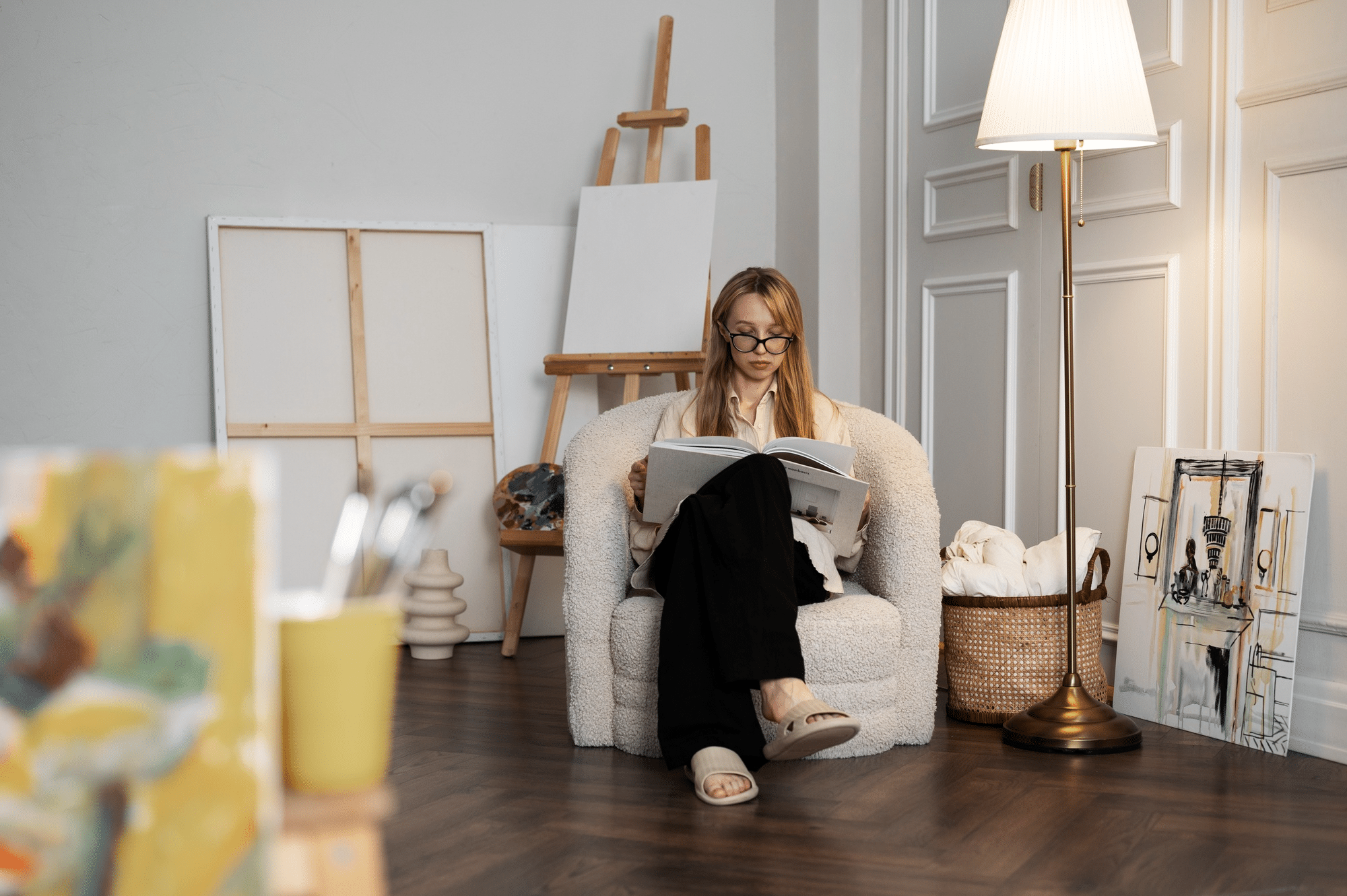
Most people underestimate the impact that walls have on the feel of a room.
A blank wall doesn’t just look bare. It can make an entire space feel unfinished, regardless of how well everything else is arranged. On the other hand, a wall that’s thoughtfully used, with artwork, prints, schedules, or seasonal displays, anchors a room and gives it personality.
The problem most people run into is practicality. Putting something on a wall feels permanent. Drilling, patching, repainting. It’s enough friction to stop people from trying at all.
That’s where display solutions designed for flexibility change things significantly.
A good snap frame solves this problem neatly. The front-opening design means you can swap out whatever’s inside in seconds, no tools required. Seasonal prints, family photos, kids’ artwork, a weekly meal plan, a motivational quote that actually changes with your mood. Whatever you want on display, it goes in and out without any fuss.
They sit flat against the wall, look clean and intentional, and work in practically any room of the house.
More importantly, they make your walls a living part of your home rather than a fixed backdrop. That flexibility encourages people to actually use them, which is the point.
Homes that feel curated and personal tend to feel more comfortable to spend time in. It’s a small change with a surprisingly consistent effect on how a space feels day to day.
Rethinking How You Organise the Kitchen and Pantry
The kitchen is where most household friction lives.
Ingredients that go stale before they’re used. Leftovers that don’t last as long as they should. Pantry shelves that look fine until you actually need something, at which point everything needs to be moved to find it.
The solution to most of this isn’t more storage. It’s better storage.
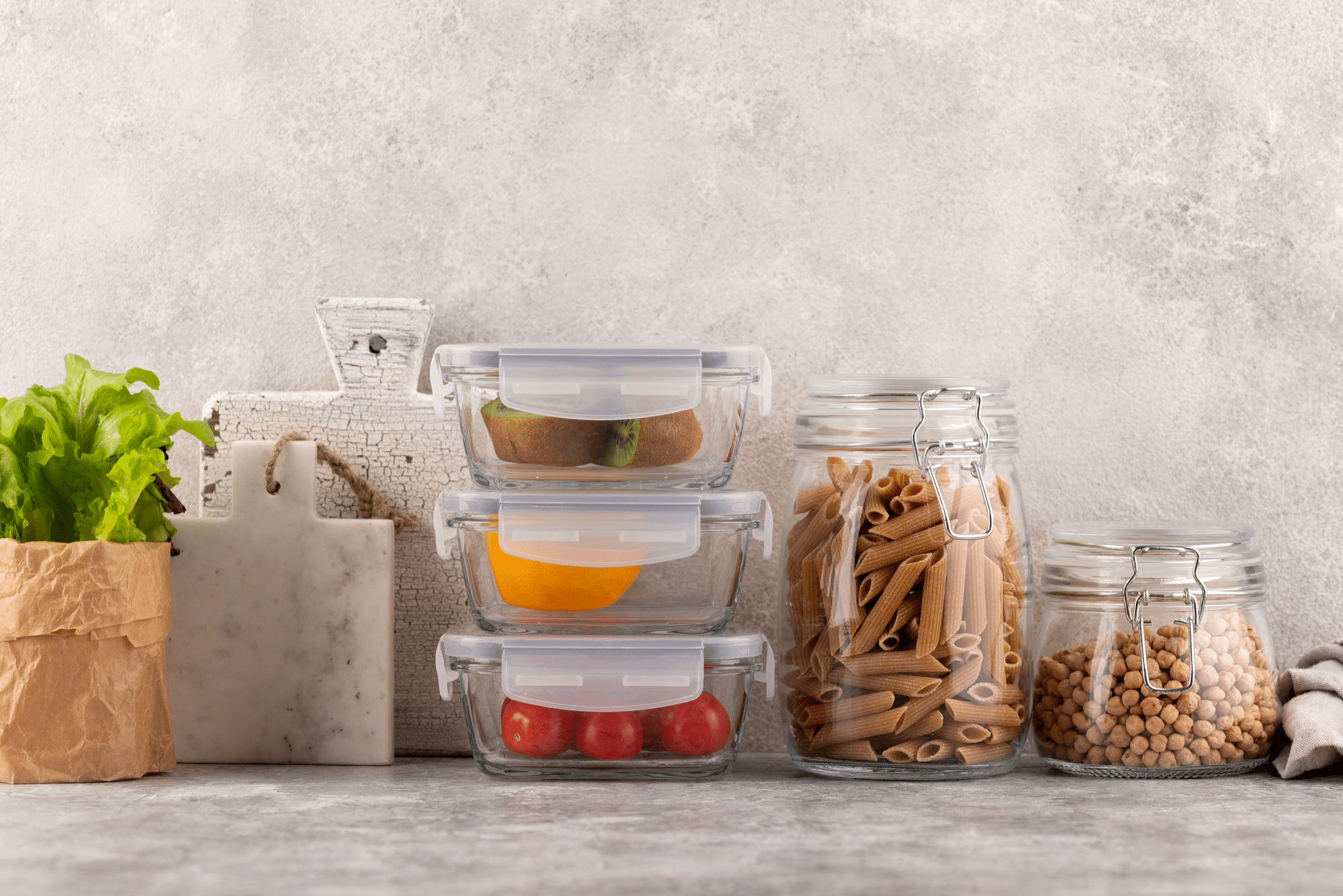
One of the most impactful changes you can make to a kitchen routine is improving how food is sealed and preserved. Air is the enemy of freshness, and the standard approach of clipping a bag shut or pushing cling wrap against a bowl surface doesn’t eliminate it. It just slows down the inevitable.
Vacuum sealing removes air entirely.
Research consistently shows that vacuum-sealed food stays fresh significantly longer than food stored conventionally. Meat that would last a few days in the fridge can last up to two weeks when properly sealed. Dry goods and pantry staples retain flavour and texture far longer. Freezer burn, which destroys texture and taste, becomes a non-issue.
When you shop food vacuum bags that are designed for home use, you’re not buying into a complicated system. Modern vacuum bags are straightforward to use, available in multiple sizes, and compatible with most home vacuum sealers. The time investment per use is minimal, and the reduction in food waste adds up quickly.
The financial argument is straightforward too. Food waste costs the average household a meaningful amount each year. Better preservation directly reduces that number.
Beyond fresh produce, vacuum bags are useful for bulk buying, meal prepping, marinating (the absence of air speeds up the process considerably), and storing seasonal items like herbs from the garden.
It’s one of those kitchen habits that, once adopted, becomes hard to imagine living without.
The Part of Your Home Routine Most People Don’t Think About
There’s a moment in most people’s days that gets almost no attention in home improvement conversations.
The transition between being out in the world and being fully at home.
You come through the door. You’ve been on your feet. You’ve been in shoes that are doing a job, not a favour. And then there’s that shift, that moment of dropping into home mode, that either happens or it doesn’t depending on what the environment supports.
Footwear is a surprisingly significant part of this.
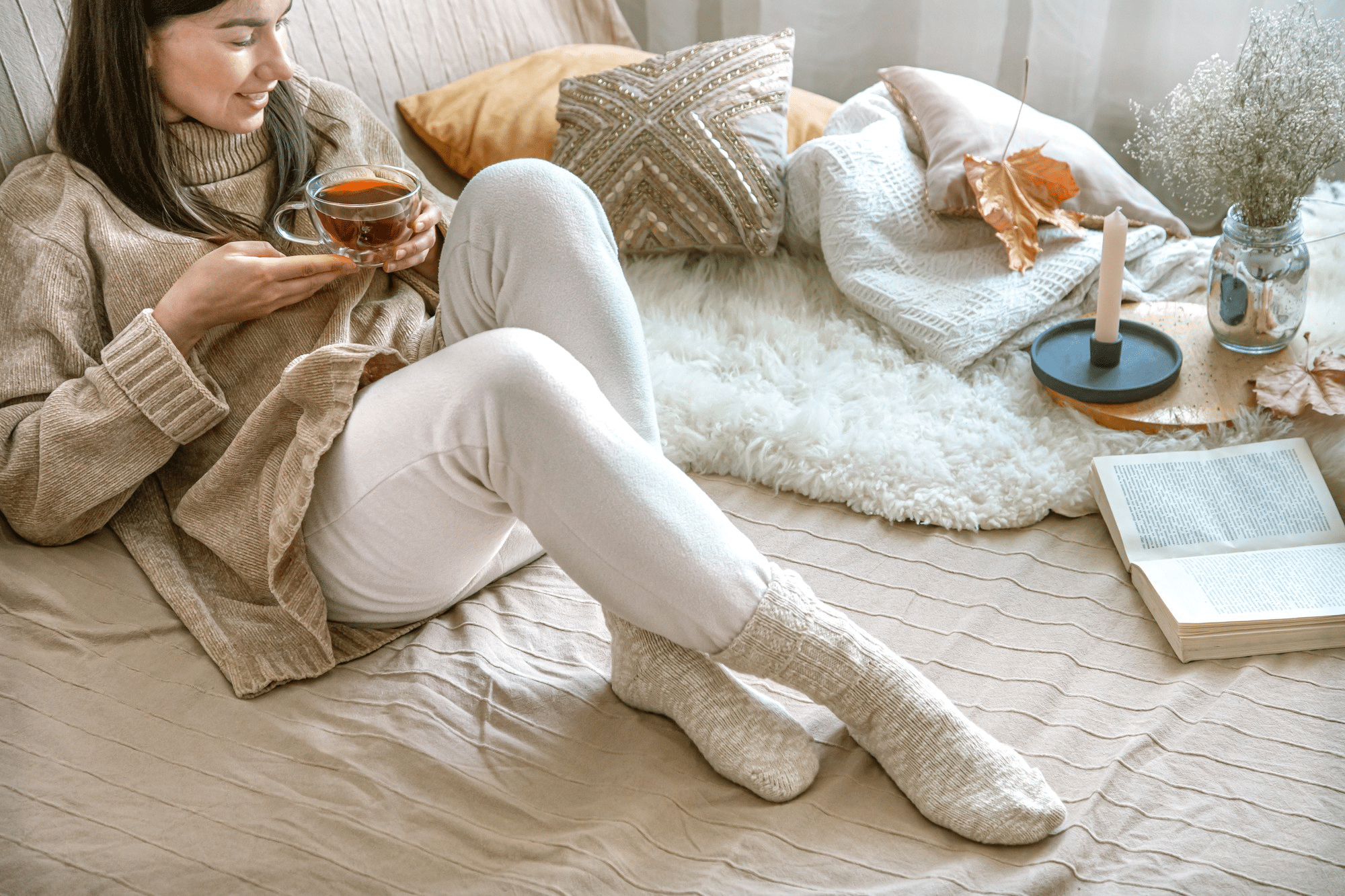
What you wear at home affects posture, comfort, and even mood. Hard floors on bare feet in cooler months aren’t neutral. They create low-grade physical discomfort that lingers in the background. Thin or unsupportive house shoes don’t solve this adequately.
Quality matters here more than most people give it credit for.
A pair of cosy wool slippers made from genuine sheepskin or merino wool does something cheap alternatives don’t. Natural wool fibres regulate temperature, which means they keep feet warm in winter without overheating in milder conditions. The material also wicks moisture rather than trapping it, which matters for hygiene and comfort over extended wear.
Good slippers also support the arch of the foot in a way that flat, thin options don’t. That’s relevant for anyone who spends significant time on hard flooring, which is most people in modern homes.
The ritual of changing into proper home footwear is a small thing. But it’s one of those small things that reinforces a real mental and physical shift into rest and ease.
Home should feel different from everywhere else. The right slippers contribute to that more than their simplicity suggests.
How These Changes Connect to a Bigger Idea
None of these upgrades are dramatic.
A display solution for your walls. Better food storage in the kitchen. Proper footwear for time spent at home. Individually, each one is a modest improvement. Together, they reflect something more considered.
The homes that feel genuinely good to live in tend to share a quality that’s hard to name precisely. They feel like thought went into them, not expensive thought, but attentive thought. Someone noticed where the friction was and made a decision about it.
That’s the real work of improving a home. Not a single renovation or a complete overhaul. It’s a series of small, deliberate choices that accumulate into something that consistently supports the way you actually live.
The best starting point is usually the place where daily friction is highest. For some people, that’s a kitchen that wastes food. For others, it’s a wall that’s never quite come together. For others still, it’s the transition home at the end of a long day.
Pick one. Make the change. The momentum tends to follow.
A Final Thought on Investing in Where You Live
There’s a tendency to deprioritise home improvements in favour of bigger, more visible purchases.
A holiday. A new outfit. Something with an obvious and immediate payoff.
But the environment you spend the most time in deserves at least as much attention as the experiences you briefly pass through.
A home that’s well-organised, comfortable, and personally curated doesn’t just look better. It functions better. It supports better sleep, better meals, better rest, and better transitions between the demands of the outside world and the recovery that home should provide.
The changes don’t have to be large to be meaningful.
Start where it makes most sense. Take it one room, one problem, one solution at a time. The cumulative result, over months rather than weeks, is a home that genuinely earns the time you spend in it.
That’s worth more than most people realise until they’ve actually done it.