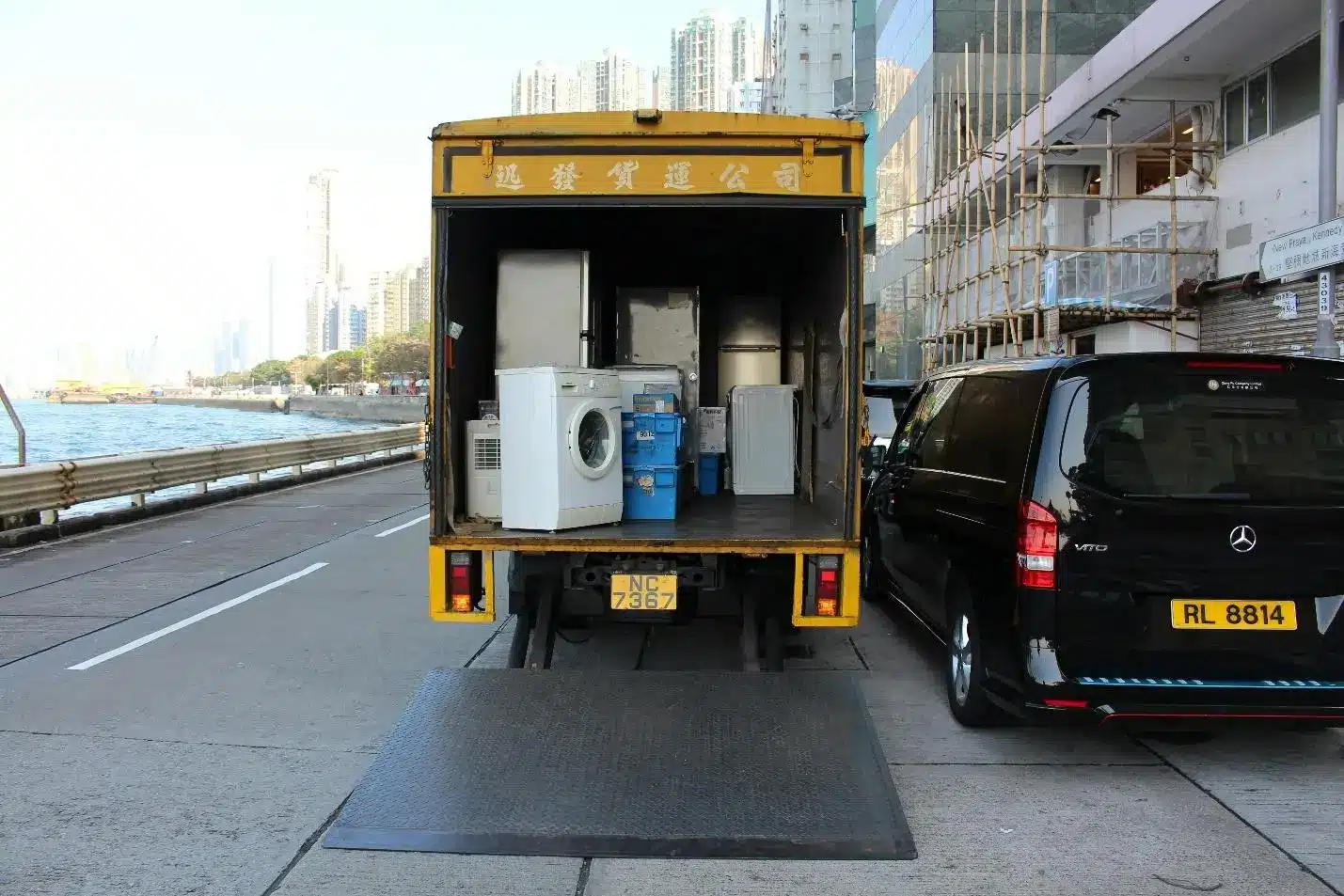
You start packing with a plan, then end up reopening sealed boxes just to find one small thing. Long-distance moves rarely fail all at once. It is the small missteps that build up, quietly making everything harder than expected.
In places like West Palm Beach, moving comes with its own set of complications. Traffic can slow down even short trips, and timing becomes more important than expected. Certain roads stay busy longer than you think, and local rules around moving trucks or parking can add pressure on the day itself. It forces people to think ahead a bit more, even before the packing really begins.
Planning Before Anything Gets Packed
Most long-distance moves are shaped before any box is packed, though that part is often rushed. People fixate on the final date and miss the steps in between. It helps to think in phases, not rigid plans, just a rough order. What goes first, what stays out, what needs extra care?
These small choices matter later, especially when time gets tight. There is also the question of what should even go. Not everything needs to make the trip. Moves like this take effort, so it becomes worth sorting through things more honestly, not just packing out of habit.
Choosing the Right Moving Support
Trying to handle long-distance moves creates more problems than it solves. Packing, lifting, transport, and timing all overlap. Homeowners need to work with reliable West Palm Beach long distance movers to help them with relocation. Working with professionals changes how the process is handled. Not because they remove all effort, but because they structure it. Packing gets organized, loading follows a system, and timing becomes more predictable. It reduces the number of decisions that need to be made on the spot.
There is also a certain calm that comes from knowing each step has already been handled many times before. You are not guessing as much. Things move forward in a steady way, even when the day itself feels a bit scattered or longer than expected.
Packing in a Way That Holds Up Later
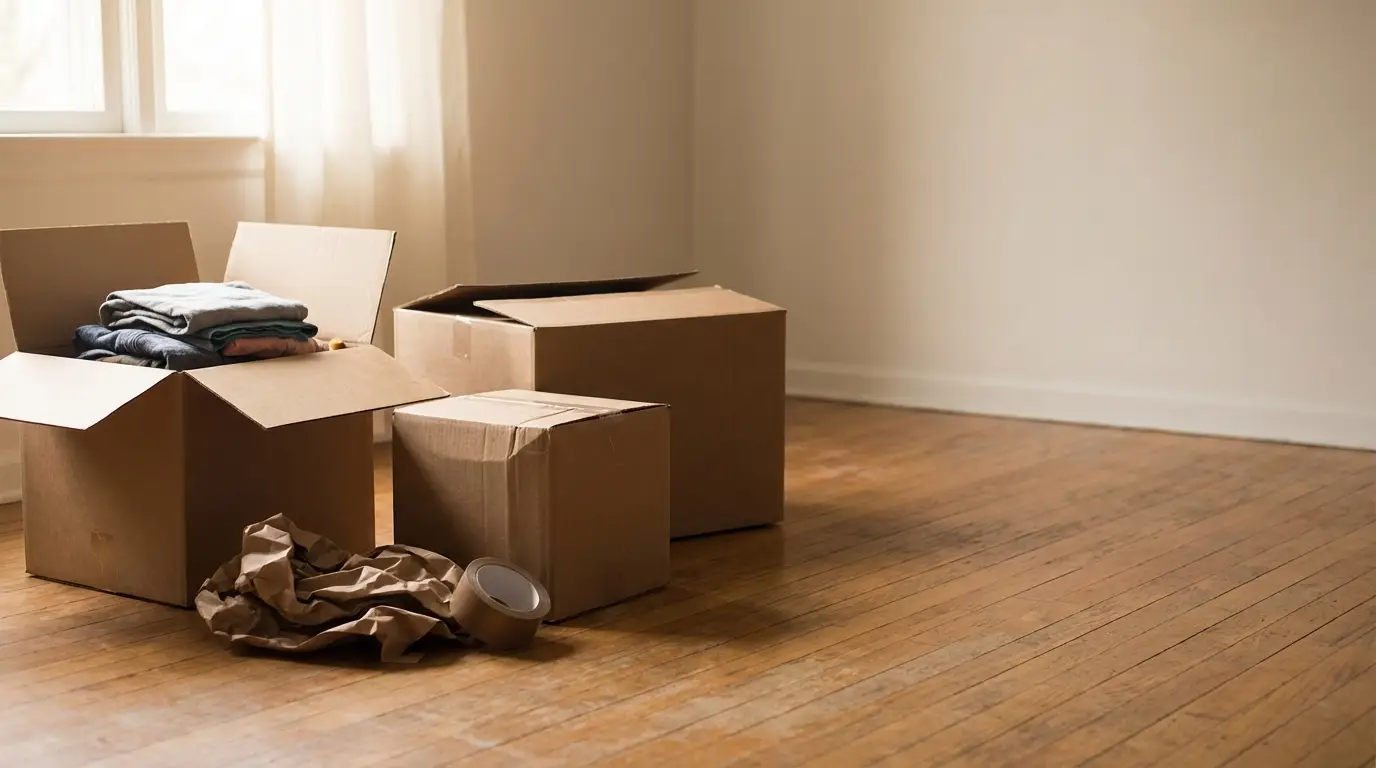
Packing feels straightforward at first, until you are standing in a new place opening random boxes just to find something basic you thought you packed “somewhere safe.” That is usually where things start to go off. Items get thrown together, labels are half-done, and what made sense at the time stops making sense later.
It is worth taking a bit more time in the beginning, even if it feels slow. Think less about rooms and more about when things will be needed again. The stuff you will reach for in the first few days should not be buried deep. There is also this habit of stuffing boxes to save space. It sounds efficient, but it backfires. Heavy boxes slow everything down and tend to fall apart when moved around too much.
Managing Time Without Rushing Everything
Time pressure is a constant part of long-distance moves. Deadlines are fixed, but the process rarely fits neatly within them. This is where small delays can cause larger disruptions.
It helps to build in extra time where possible. Not large gaps, but small buffers. A day earlier for packing, a bit more time for loading, or flexibility around departure. These adjustments absorb unexpected issues without forcing last-minute decisions.
There is also the mental side of timing. When everything feels rushed, mistakes become more likely. Slowing down at key points, even briefly, can prevent problems that would take longer to fix later.
Keeping Important Items Separate
There is always that moment during a move when something important is suddenly not easy to find. Papers, IDs, chargers, small valuables. They get packed “for safety,” then disappear into the general pile like everything else.
It helps to keep a small set of things out of the main flow. Not in a labeled box that still gets loaded, but in something that stays with you the whole time. A backpack, a tote, whatever works. It is a small step, but it saves time later. You are not digging through sealed boxes just to find one document or a basic item you need right away. It keeps things a bit steadier.
Adjusting to the New Space Without Rushing It
The first day in a new place feels strange, even if everything arrived on time. Boxes sit everywhere, and there is this urge to fix it all in one go, just to feel settled again. Most people start unpacking fast, trying to rebuild what they had before.
That usually does not hold up. The space is different, even if it looks similar at a glance. It helps to pause a little. Set up what you need to get through the day, then let the rest wait. After a few days, patterns start to show. You notice what works and what does not. Moving things around then makes more sense than deciding everything up front.
Dealing With Unexpected Issues Along the Way
There is usually a moment where things stop going the way you pictured. A box is missing, something arrives later than planned, or timing shifts just enough to throw off the day. It does not mean everything is falling apart, but it can feel like it for a bit.
Trying to keep control over every detail tends to make it worse. The day gets heavier, and small problems feel bigger than they are. It is easier, in a way, to accept that a few things will go off. When that happens, you deal with what is in front of you and move on. The process keeps going, even if it feels a little uneven.
After a few days, the place starts to make a bit more sense. Boxes are still around, but you are not digging through all of them anymore just to get through the day. You begin to remember where you left things, which helps more than you expect. The stress does not disappear all at once. It sort of fades in the background while you settle into a routine again. Looking back, it is not the big steps that stand out, but the small calls you made along the way. It was never going to feel smooth the whole time. It just had to keep going without stopping completely.