Compost vs topsoil is one of the most confusing choices when you’re standing in a garden center, staring at bags and thinking which one your garden actually needs.
I’ve been there, thinking soil was just soil, until my plants proved otherwise. Learning the real difference between compost and topsoil completely changed how my garden performs.
These two materials serve very different purposes, and using the wrong one can lead to poor growth and wasted effort.
I’ll clearly explain compost and topsoil, what each one is made of, and how they work in your garden. I’ll also cover when to use compost or topsoil, and why many gardeners combine both for the best results.
What is Topsoil?
Topsoil is the natural upper layer of earth, made mostly of mineral particles like sand, silt, and clay.
It may contain some organic matter, but its main job is to provide structure, stability, and a firm base where plant roots can anchor and grow.
- Composition: Mostly sand, silt, and clay, with a small amount of organic matter mixed in.
- How it works in the garden: Provides structure and volume so roots can spread and hold firmly, while creating a solid foundation for planting.
- Best uses: Filling low spots, leveling uneven areas, lawn prep (seed or sod), landscaping projects, and as a base layer for raised beds.
Topsoil supports roots well, but it’s usually lower in nutrients than compost, so many gardeners enrich it by mixing in compost.
What is Compost?
Compost is decomposed organic material made from food scraps, leaves, yard waste, and plant matter that breaks down over time into a rich soil booster.
It turns into dark, crumbly material often called “black gold” because it feeds soil life and improves soil health.
- Composition: Broken-down organic materials like kitchen scraps, leaves, grass clippings, and other plant waste.
- How it works in the garden: Feeds beneficial microbes, improves soil texture, helps roots access oxygen, and supports stronger plant growth over time.
- Best uses: Reviving tired soil, mixing into garden beds before planting, improving poor soil, and using as a light top-dressing during the season.
Compost keeps breaking down, so it needs reapplication, and it works best when mixed with existing soil rather than used alone.
Compost & Topsoil: Key Differences

This quick compost vs topsoil comparison helps you understand how each material works, what it provides, and why choosing the right one matters for healthier soil.
| Aspect | Compost | Topsoil |
| Purpose | Compost improves soil health and supports plant growth. | Topsoil adds structure, volume, and ground coverage. |
| Nutrients | Compost feeds plants and supports soil activity. | Topsoil has low nutrients and supports roots. |
| Texture | Compost is light and crumbly, improving airflow and moisture movement. | Topsoil is heavy and compact, staying in place. |
| Longevity | Compost breaks down and needs reapplication. | Topsoil remains stable for long periods. |
| Price | Approx. $30–$50 per cubic yard | Approx. $20–$40 per cubic yard |
After comparing compost and topsoil, it becomes clear that each serves a distinct role, and using them correctly leads to stronger soil and healthier plants.
Actual costs may vary depending on location, supplier, quality, season, and delivery fees. Always check with local garden centers or suppliers for the most accurate and up-to-date pricing.
When to Use Compost
I’ve found that using compost in the garden makes a huge difference, especially for improving soil health, feeding plants, and preparing soil for long-term growth.
- Vegetable Gardens: Compost improves soil, promotes healthy roots, and provides consistent nutrients for vegetables throughout the season.
- Flower Beds: Compost retains moisture, promotes consistent blooming, and supports healthy growth without stressing roots.
- Poor or Tired Soil: Compost adds organic matter, loosens compacted soil, and boosts healthy activity, gradually improving soil quality.
- Mixing with Existing Soil: Compost works best when mixed into existing soil rather than used alone as a surface layer.
- Pre-Planting Preparation: Compost improves soil for long-term growth rather than providing quick, surface-level results.
Understanding compost vs topsoil makes it easier to choose compost wisely, helping soil stay healthy, balanced, and ready to support strong plant growth.
When to Use Topsoil
I use topsoil when my garden needs structure and leveling, especially for projects where creating a strong, stable base matters more than improving soil quality.
- Filling Low Spots: Topsoil effectively fills low areas by adding volume, leveling uneven ground, and providing a stable surface for planting.
- Creating New Garden Beds: Use topsoil as a structure and a reliable base before adding organic matter.
- Lawn Installation: Topsoil aids in grading, supports grass roots, and improves surface consistency for proper seed or sod settling, so have your bulk grass seed ready once the graded base has settled.
- Choosing Between Materials: Topsoil is selected for ground height and stability over nutrient improvement or soil change in compost vs topsoil decisions.
- Project Planning: Topsoil is best applied first, letting gardeners shape the land before mixing compost or other materials.
In practice, I’ve seen that starting with topsoil makes shaping the land easier, and once that base is set, adding compost becomes far more effective.
Can You Mix Compost and Topsoil?
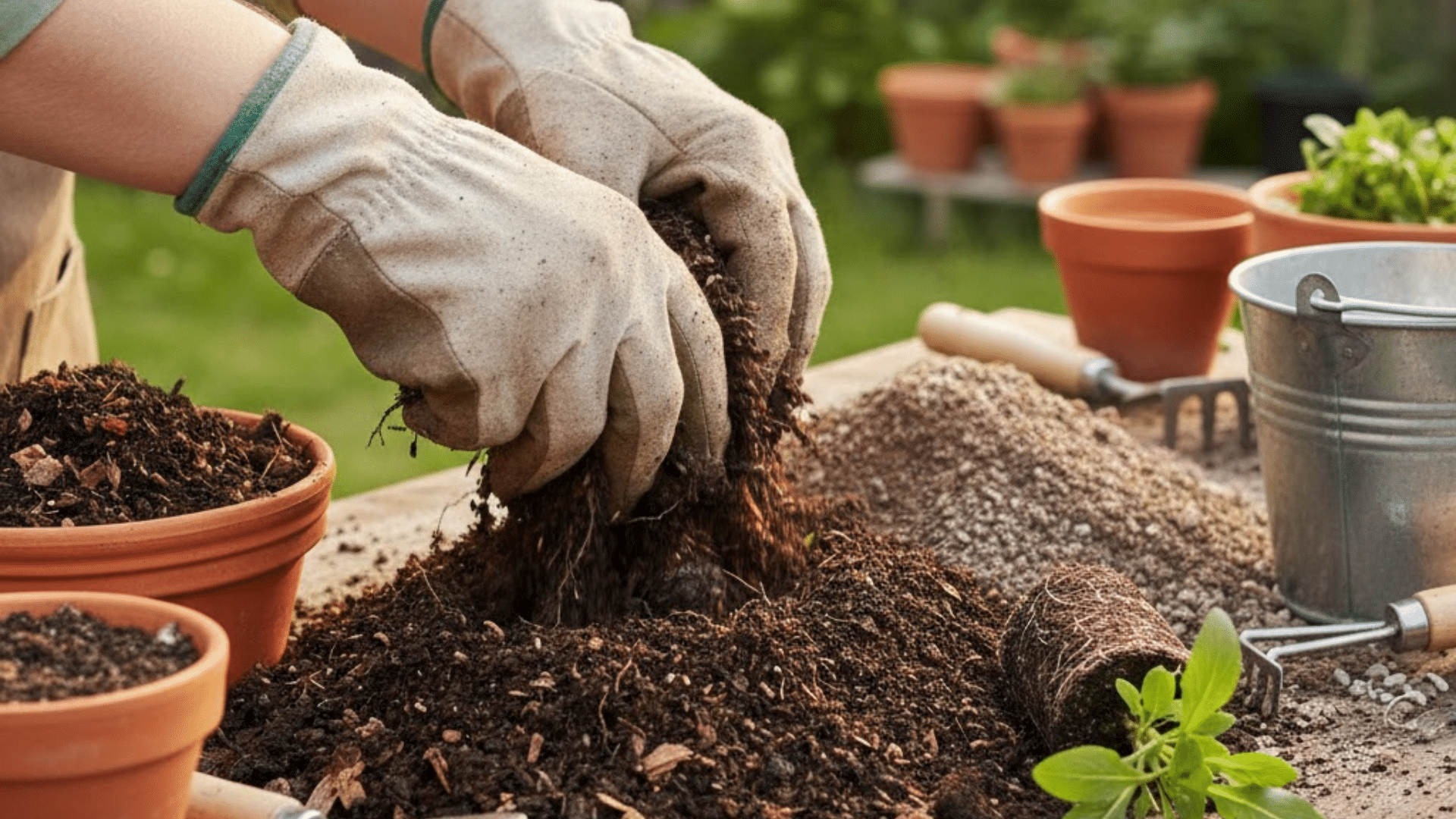
When I first started gardening, I often thought about compost vs topsoil and if mixing them really made a difference for my plants.
I learned that combining compost and topsoil creates the best balance between structure and nutrients, giving roots both support and food for strong growth.
Most gardeners recommend a ratio of roughly one part compost to two or three parts topsoil, which keeps the soil stable while enriching it naturally.
Mixing them before planting also improves water retention, aeration, and soil life, making it easier for plants to establish quickly and thrive over time.
Common Mistakes to Avoid
Understanding compost vs topsoil completely changed my approach, helping me choose the right soil for better growth.
- Using Compost Alone: Using only compost in garden choices can lack structure, hindering root growth.
- Poor-Quality Topsoil: Buying low-quality topsoil can contain debris, low nutrients, or compaction, harming plant growth and garden success.
- Over-Applying Compost: Excess compost can loosen soil, disturb nutrients, and harm young plants, so moderation is essential.
- Ignoring Soil Needs: Not considering if your garden needs structure, nutrients, or both can lead to wasted effort and poor plant growth.
- Skipping Mixing: Failing to mix compost with topsoil properly reduces benefits, as each material has a unique role in supporting healthy soil.
Avoiding common mistakes and using compost and topsoil properly help keep soil healthy, support strong plant growth, and create a productive garden each season.
Final Thoughts
After years of gardening, I’ve learned that understanding compost vs topsoil is one of the most valuable lessons for any gardener.
Both are essential, but they serve completely different purposes in your garden. Topsoil gives your plants a home and provides the structure and stability that roots need.
Compost, on the other hand, acts like a nutritious meal, feeding your plants and keeping soil healthy. The real magic happens when you combine the two, blending topsoil’s structure with compost’s nutrients. .
Ready to change your garden? Test your soil first, then choose the right mix of topsoil and compost for vibrant, thriving plants. Comment down below and share your garden success!