Standing at the nail salon counter, staring at gel and acrylic options can feel absolutely overwhelming when you’re unsure.
I remember feeling completely lost during my first salon visit because I didn’t understand the difference between gel and acrylic nails.
Both look gorgeous and promise long-lasting results, but they work in totally different ways on your hands.
Choosing the wrong type can leave you disappointed with chipped nails or an uncomfortable fit that bothers you daily.
Understanding what sets them apart helps you pick the manicure that matches your lifestyle and budget perfectly.
I’m breaking down everything about these two popular nail types so you can walk into any salon feeling confident. Let’s find your perfect manicure match!
What are Gel Nails?
I’ve been getting gel nails for years, and they’re basically a manicure using special gel polish instead of regular polish. The gel feels thicker and more substantial than traditional polish when I apply it to my natural nails.
What I love most is how they dry instantly under a UV or LED light with no smudging. The curing process takes only about 30 seconds to 2 minutes under the lamp, which saves me so much time.
I apply the gel polish in thin layers, curing each layer before adding the next. This layering technique creates a smooth, glossy finish that looks incredibly polished and lasts for weeks without chipping.
I genuinely appreciate how gel nails change my everyday look and give me confidence throughout my entire day.
What are Acrylic Nails?
A nail technician combines acrylic powder with a liquid monomer to create a thick paste that hardens quickly.
I’ve watched this process many times, and it’s amazing how the mixture changes from liquid to solid so fast. The technician applies this paste directly onto your natural nails or nail tips using a special brush technique.
As the acrylic mixture sits exposed to air, it naturally hardens and bonds to your nails without any light. This air-drying process usually takes just a few minutes, after which the nails become completely solid and sturdy.
The result is incredibly strong nails that resist breaking, last for weeks, and let you achieve any length you want.
Key Differences Between Gel and Acrylic Nails

I’ve tried both gel and acrylic nails many times, and choosing between them really depends on what matters most to you. Let me break down the key differences I’ve noticed so you can decide which option suits your lifestyle better:
1. Appearance and Finish
Gel Nails: Gel nails have a naturally glossy shine that looks incredibly sleek and polished without any extra buffing or topcoat needed at all.
Acrylic Nails: Acrylic nails appear thicker and more rigid at first, requiring filing and buffing to achieve the smooth, shiny, polished finish you want.
2. Durability and Strength
Gel Nails: Gel nails are more flexible and feel natural on your hands, but they chip more easily and work best for shorter nail lengths.
Acrylic Nails: Acrylic nails are incredibly strong and durable overall, making them perfect for people with weak nails or those wanting extra length and strength.
3. Maintenance and Touch-Ups
Gel Nails: Gel nails need touch-ups or fill-ins every two to three weeks as your natural nails grow out and create a gap underneath them.
Acrylic Nails: Acrylic nails require fills every two to four weeks, depending on how fast your natural nails grow out and show at the base.
4. Removal Process and Nail Health
Gel Nails: Gel nails are removed by soaking cotton pads in acetone for ten to fifteen minutes, which is gentler on your natural nail beds.
Acrylic Nails: Acrylic nails need filing or soaking in acetone for much longer periods, which can be rougher and more damaging to your natural nails.
5. Cost Breakdown
Gel Nails: Gel manicures typically cost between 30 and 60 dollars at salons, with fills ranging from 20 to 40 dollars each visit.
Acrylic Nails: Acrylic nails usually cost between 30 and 80 dollars for a full set, with fills costing around 20 to 50 dollars for maintenance.
NOTE: Cost estimates for gel nails and acrylic nails are approximate and may vary based on location, salon, and specific services.
Health and Safety Concerns with Gel and Acrylic Nails
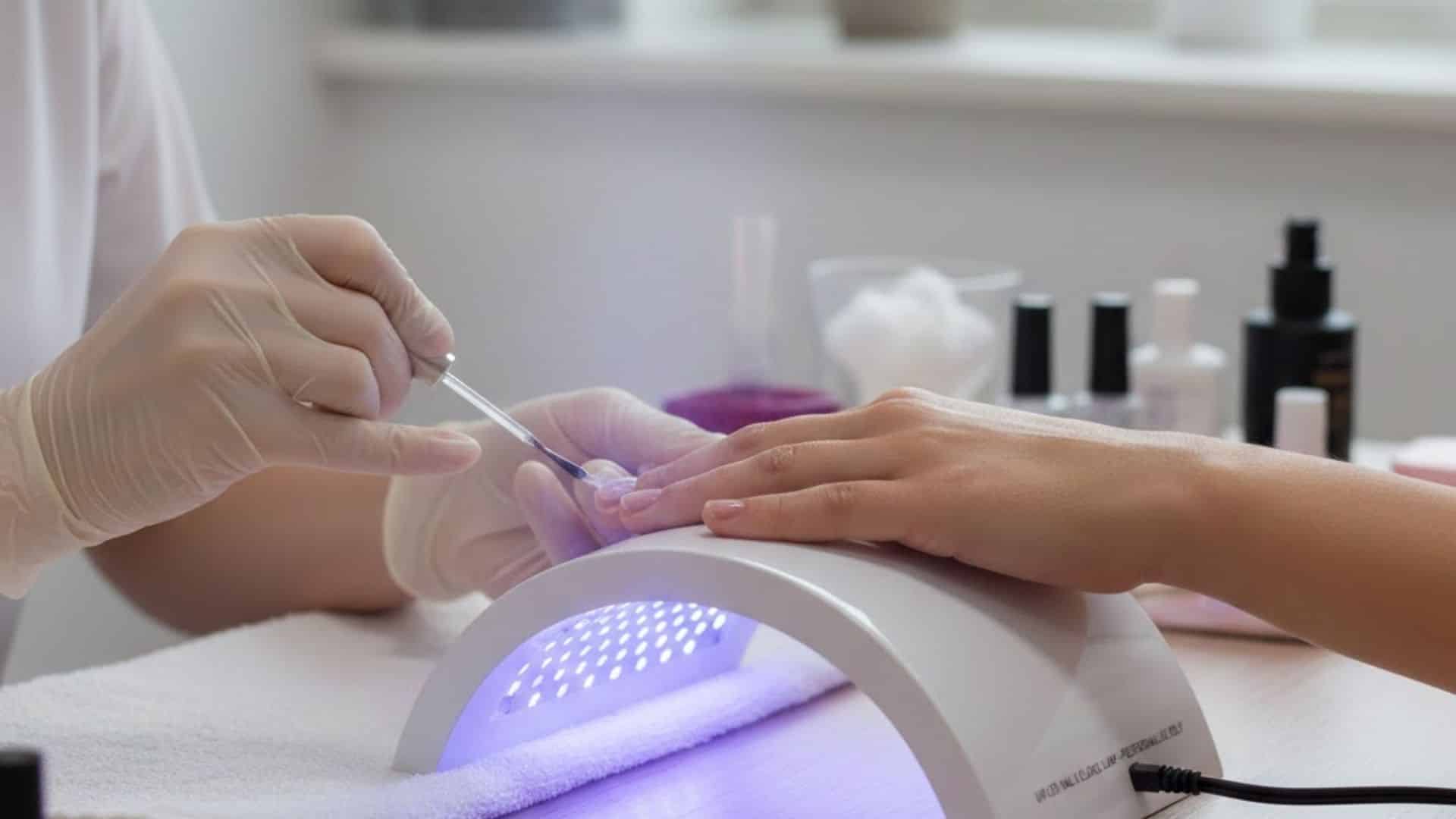
I’ve experienced some nail health issues over the years, and I’ve learned that both gel and acrylic nails come with risks.
Understanding these potential concerns helps you protect your natural nails and make safer choices for your manicure routine:
Gel Nails: Potential Health Risks
Gel nails come with certain health considerations you should know about before getting them regularly. Here are the main risks to be aware of:
- UV Light Exposure: The UV or LED lamps used to cure gel polish expose your hands to radiation that can potentially damage skin over time.
- Nail Thinning and Weakening: Improper removal or excessive filing can thin your natural nails, making them weak, brittle, and prone to breaking easily.
- Allergic Reactions: Some people develop allergic reactions to gel polish ingredients, leading to redness, itching, swelling, or painful skin irritation around the nails.
Always choose experienced technicians and follow proper removal procedures to minimize these risks. Taking these precautions keeps your natural nails healthy in the long term.
Acrylic Nails: Potential Health Risks
Acrylic nails also come with their own set of health concerns you should understand fully. Here are the potential issues you might face:
- Chemical Fumes and Odors: The liquid monomer used in acrylic applications releases strong fumes that can cause headaches, dizziness, or respiratory irritation during application.
- Nail Bed Damage: Aggressive filing during application or removal can damage your nail bed, leading to infections, pain, or permanent nail deformities.
- Fungal and Bacterial Infections: Moisture trapped between acrylic and natural nails creates a breeding ground for fungi and bacteria, leading to painful infections if left untreated.
Proper care during application and removal significantly reduces these health risks. Choose reputable salons with proper sanitation practices to protect your nail health.
Which Nail Type Suits You: Gel or Acrylic?
I’ve tried both gel and acrylic nails multiple times, and choosing between them really comes down to your lifestyle. Gel nails work best if you want a natural look with flexibility and less damage to your nails.
I prefer gel when I need something quick, glossy, and easy to remove without too much fuss involved. Acrylic nails are perfect if you want extra length, incredible strength, and the ability to create custom designs.
Your daily activities matter too; if you work with your hands constantly, acrylics might hold up better than gels.
Consider your nail health, budget, and the amount of maintenance time you can realistically commit each week. The right choice depends entirely on what feels most comfortable and practical for your everyday life.
Nail Care and Maintenance Tips
Proper nail care extends the life of your manicure and keeps your natural nails healthy. Here are my essential tips for maintaining both gel and acrylic nails:
- Moisturize Your Cuticles Daily: Apply cuticle oil or hand cream every day to keep the skin around your nails soft and healthy.
- Avoid Harsh Chemicals: Wear gloves when cleaning or doing dishes to protect your nails from damage caused by harsh cleaning products.
- Don’t Use Nails as Tools: Resist the urge to open cans, peel stickers, or pry things open with your nails to prevent chipping.
- Schedule Regular Maintenance: Get fills or touch-ups every two to three weeks to prevent lifting, gaps, or damage to your natural nails.
Following these simple tips saves you money on repairs and keeps your nails looking beautiful. Consistent care makes a huge difference in how long your manicure lasts.
That’s a Wrap
You now have all the knowledge needed to confidently choose between gel and acrylic nails for your next appointment.
Both options offer beautiful results, but understanding the difference between gel and acrylic nails helps you make smarter decisions.
Your lifestyle, budget, and natural nail health should guide which type you select at the salon next time. Remember that proper maintenance and care keep either option looking fresh and beautiful for weeks after your appointment.
Taking breaks between manicures gives your natural nails time to recover and stay strong underneath any polish.
I’d love to hear which type you prefer and why it works best for your daily routine. Share your nail experiences in the comments below!