When someone first asked me what flowers are edible, the answer felt simple, until it wasn’t. Turns out, eating flowers requires more care than tossing petals on a cake.
This guide cuts through the confusion by explaining what edible flowers actually mean, which blooms are safe to eat, which need caution, and which should never touch your plate.
There’s also critical safety information that most people overlook. The goal here isn’t to turn anyone into a forager overnight, but to make informed, safe choices when experimenting with flowers in the kitchen.
What Does ‘Edible Flowers’ Actually Mean?
Before diving into lists of what flowers are edible, it helps to clarify what “edible” actually means in this context. Not every flower growing in a garden or sold at a florist is safe to consume.
Many decorative flowers are treated with pesticides, fungicides, or chemicals designed to extend shelf life, not to protect human health.
Even organically grown flowers can pose risks if the species itself is toxic or if someone has an allergy. The term “edible flowers” refers specifically to flowers that are non-toxic to humans, grown without harmful chemicals, and correctly identified.
Eating the wrong flower isn’t just unpleasant; it can be dangerous. So before adding blooms to any dish, confirm the source, species, and growing conditions.
Flowers that Are Commonly Safe to Eat
These flowers have a long history of culinary use and are generally considered safe when correctly identified and grown without chemicals.
1. Rose
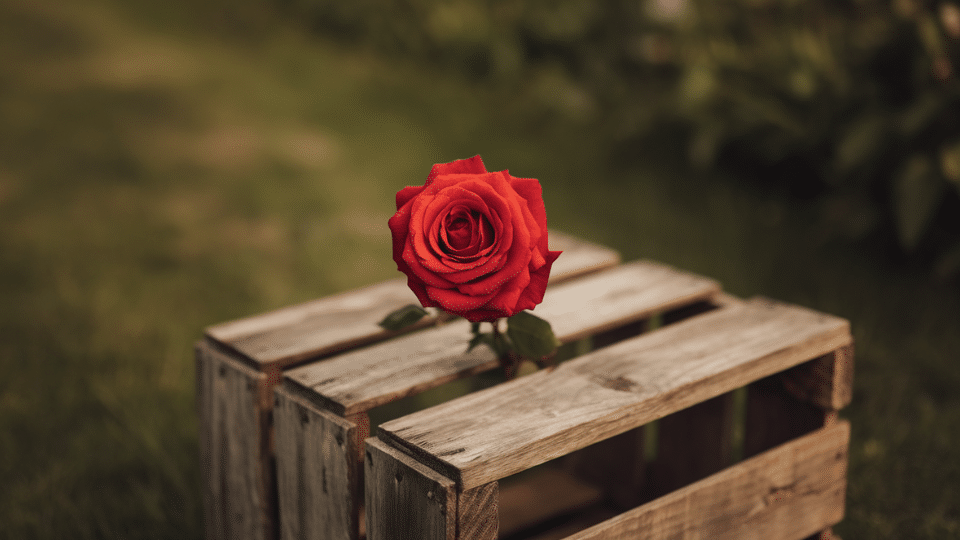
Roses offer a subtly sweet, perfumed flavor that varies by variety and color. Petals work well in teas, desserts, jams, or syrups.
Remove the bitter white base of each petal before use, and ensure roses are grown without pesticides or chemicals.
2. Lavender
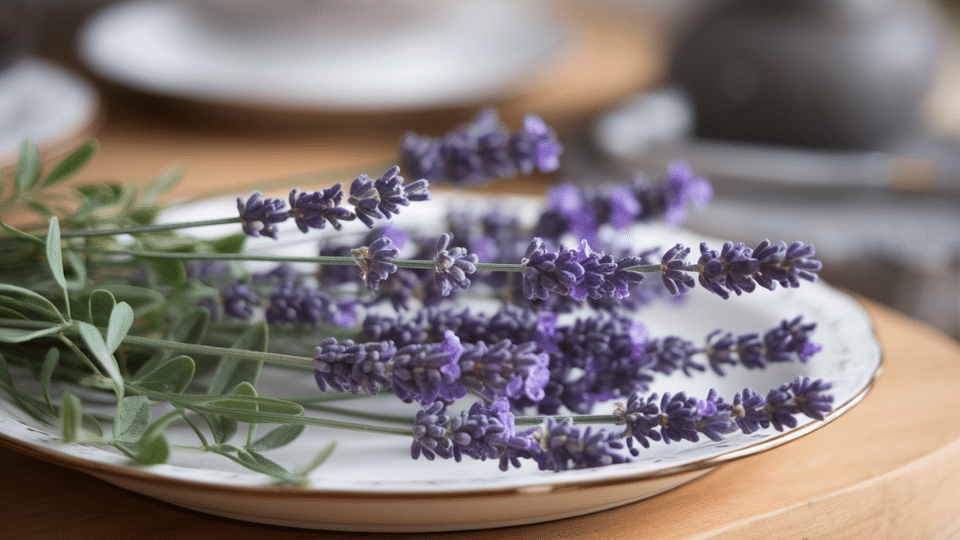
Lavender has a strong floral, slightly minty taste with herbal undertones. Common in baked goods, shortbread, drinks, and infused honey.
Use sparingly as the flavor can quickly overpower dishes. English lavender varieties are generally preferred for culinary use over Spanish or French types.
3. Violet
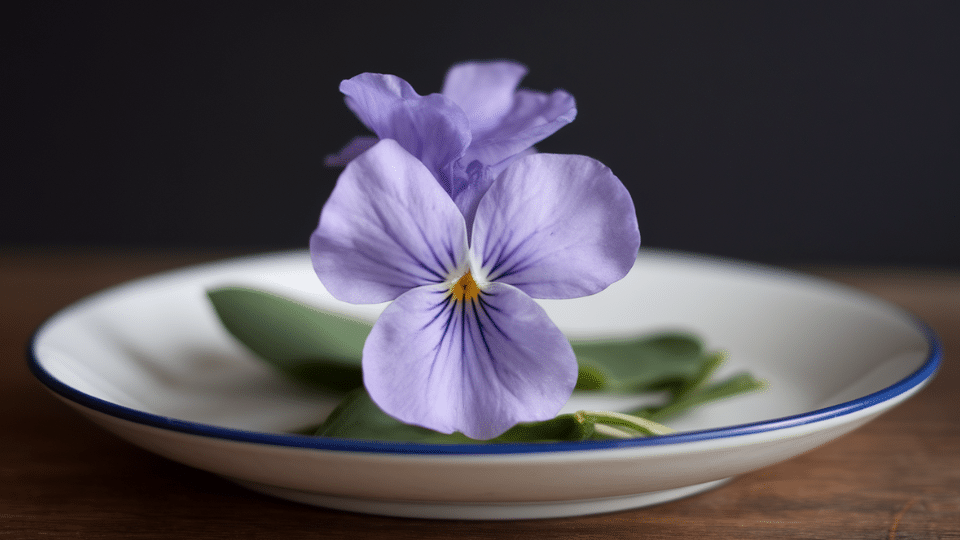
Violets taste mildly sweet and grassy with a delicate floral note. Often candied for cake decorations or used fresh in salads and as garnishes.
Both leaves and flowers are edible. Wild violets are common, but ensure positive identification and pesticide-free sourcing.
4. Hibiscus
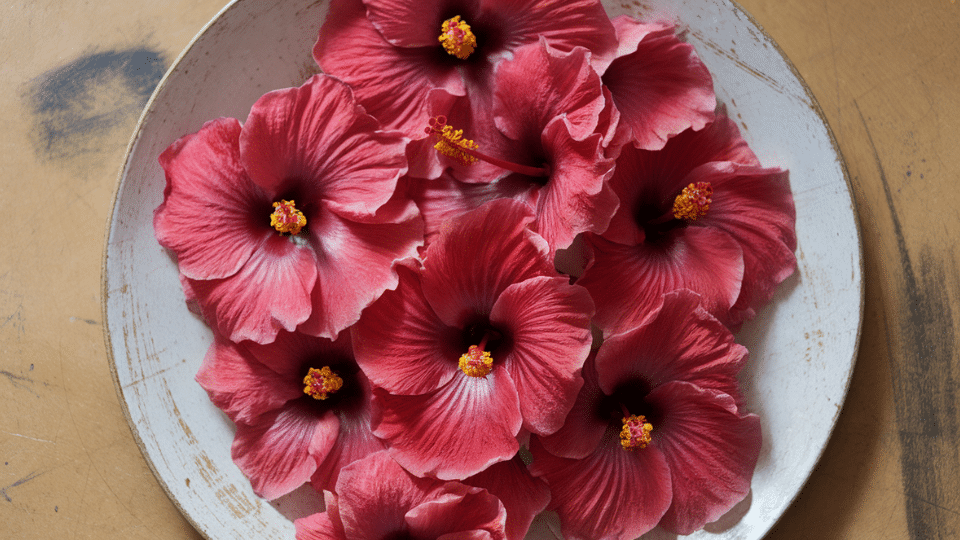
Hibiscus has a tart, cranberry-like flavor with citrus notes. Frequently steeped into teas, used in syrups, cocktails, and beverages.
Provides a vibrant red or deep pink color. Dried hibiscus flowers are widely available and shelf-stable, making them convenient for year-round use.
5. Chamomile
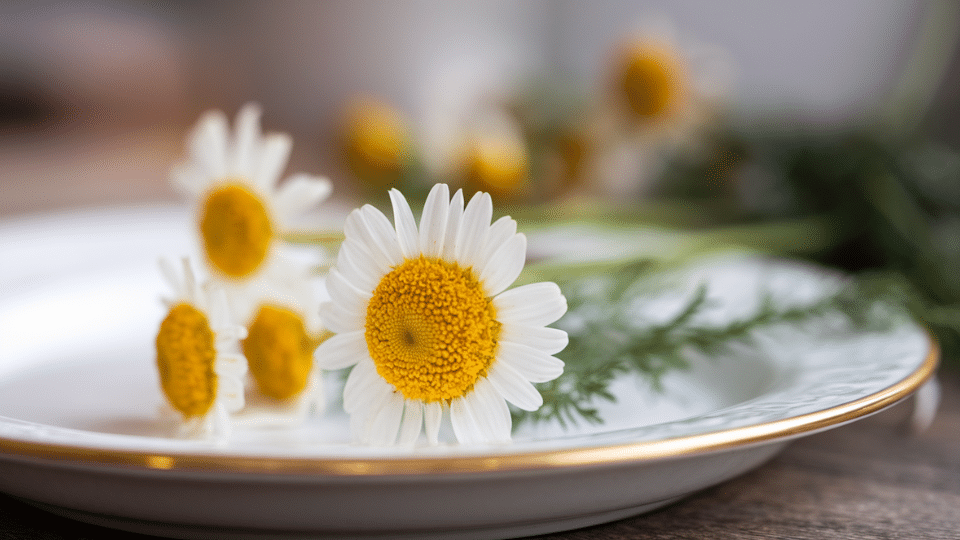
Chamomile tastes mild, slightly apple-like, and calming with honey-like sweetness. Primarily used in herbal teas for relaxation.
Harvest flowers when fully open for best flavor. Some people with ragweed allergies may react to chamomile, so proceed with caution if allergies are present.
6. Calendula
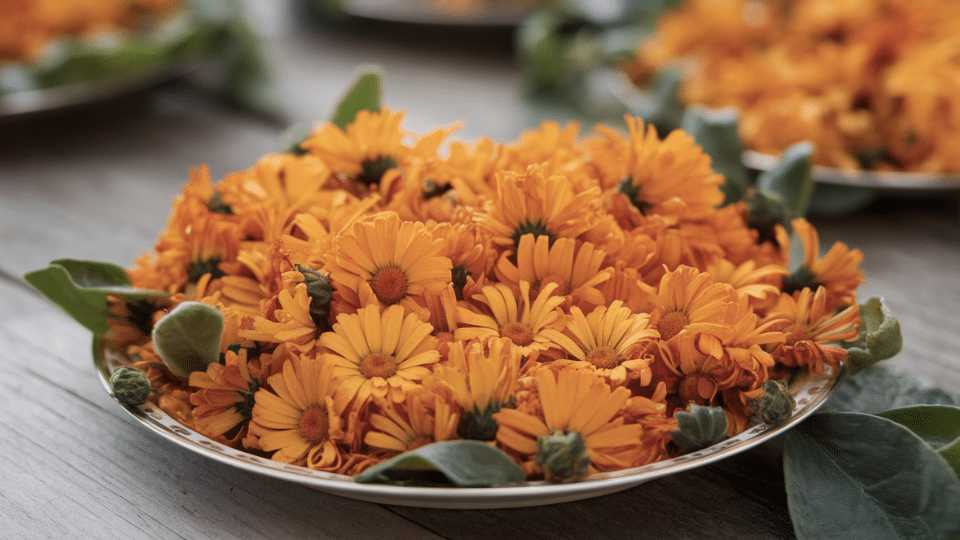
Calendula, also called pot marigold, offers a peppery, tangy flavor with slight bitterness. Petals add golden color to salads, soups, rice dishes, and butter.
Sometimes called “poor man’s saffron” for its coloring properties. Distinct from common Tagetes marigolds, which are a different plant entirely.
7. Nasturtium
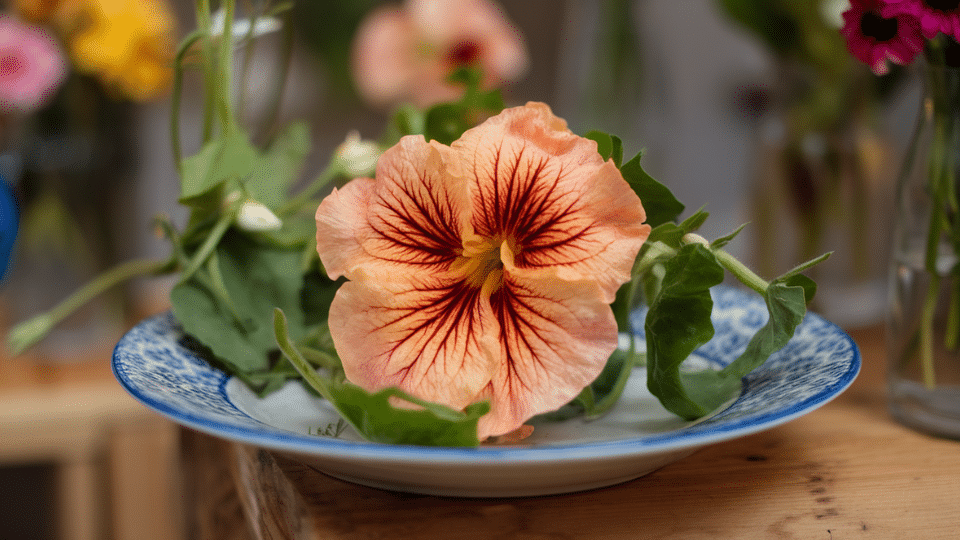
Nasturtium has a peppery, watercress-like bite with a slight sweetness. Both flowers and leaves are edible and pack the same spicy punch.
Popular in salads, as garnish for savory dishes, or stuffed with soft cheese. The unripe seed pods can be pickled like capers.
8. Pansy and Viola
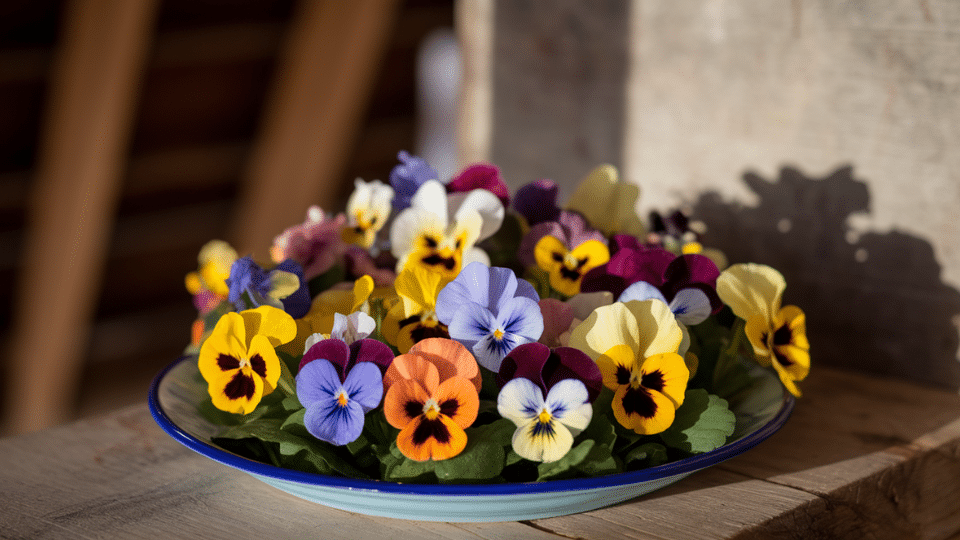
Pansies and violas taste mild and slightly grassy with minimal floral notes. Commonly used as cake decorations, frozen into ice cubes for drinks, or scattered fresh on salads.
Their flat faces and vibrant colors make them visually appealing, though flavor is subtle and delicate.
9. Chive Blossoms
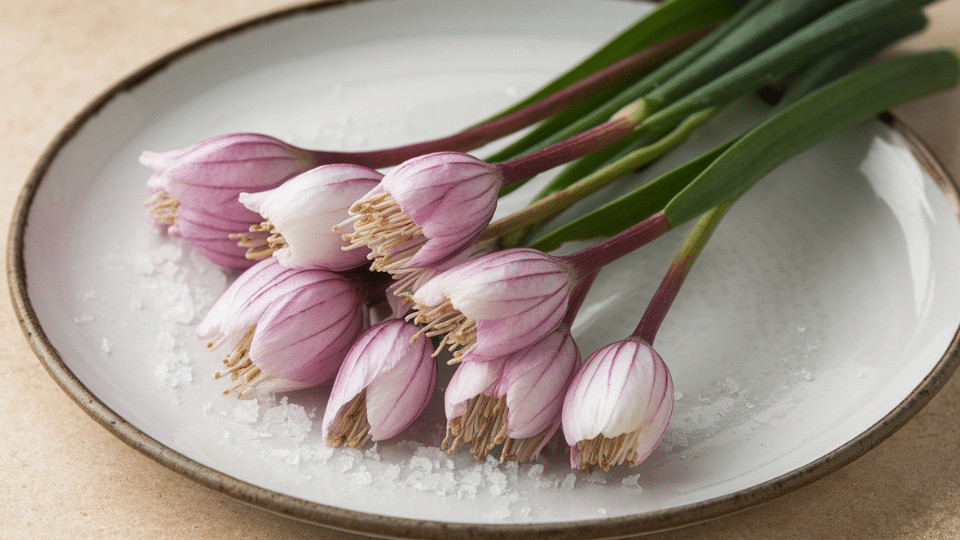
Chive blossoms have a mild onion flavor that’s softer and sweeter than the leaves themselves. Great in salads, compound butter, dips, or as a garnish for soups, eggs, and potato dishes.
The florets can be separated for even distribution or used whole for dramatic presentation.
10. Elderflower
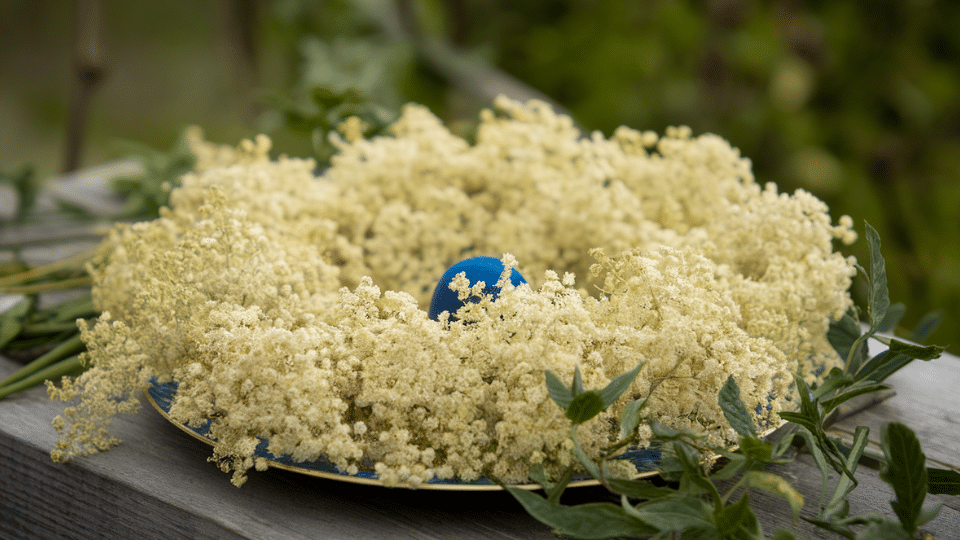
Elderflower is sweet, floral, and subtly fruity with notes of lychee and pear. Often made into cordials, syrups, fritters, or infused into desserts and drinks.
Ensure correct identification, other parts of the elder plant, especially unripe berries, are toxic and should never be consumed.
11. Sunflower
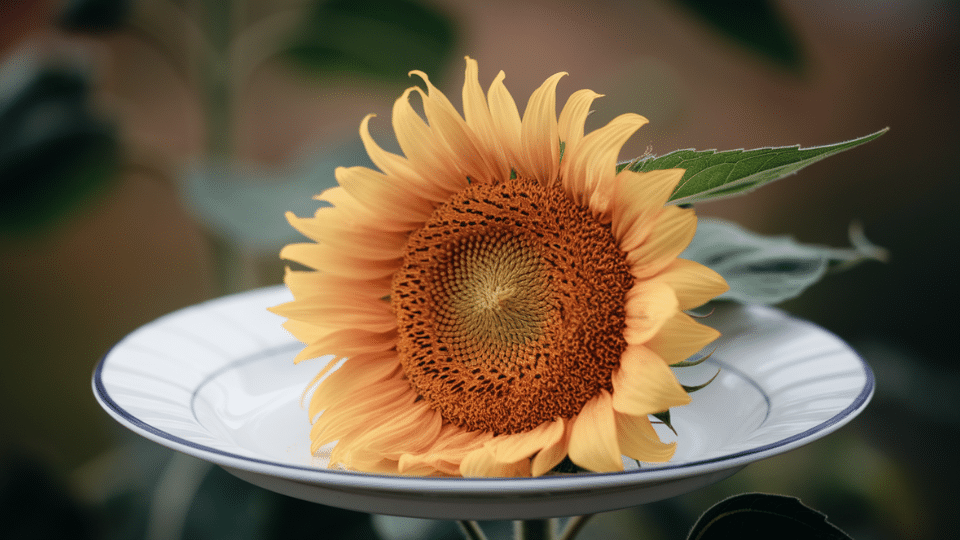
Sunflower petals have a mild, slightly bitter taste with a hint of nuttiness. Only the petals are typically eaten—the center contains developing seeds.
Use fresh petals in salads or as garnish. Ensure plants are pesticide-free, especially since sunflowers readily absorb chemicals from soil.
12. Carnation
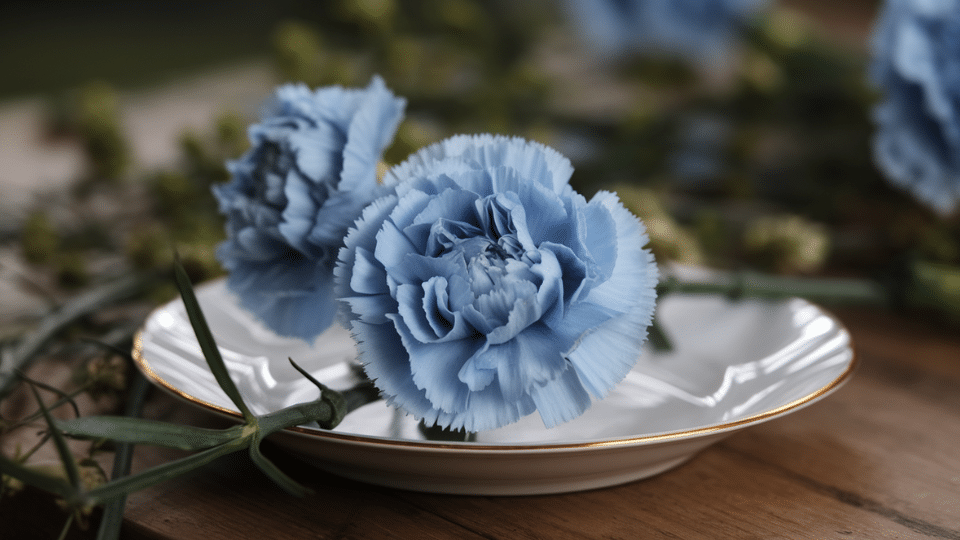
Carnation petals taste sweet and slightly spicy with clove-like undertones. Remove the bitter white base before eating.
Petals work well in salads, as cake decorations, or candied for confections. Historically used in liqueurs and syrups. Always use unsprayed flowers from known edible sources.
13. Marigold (Tagetes)
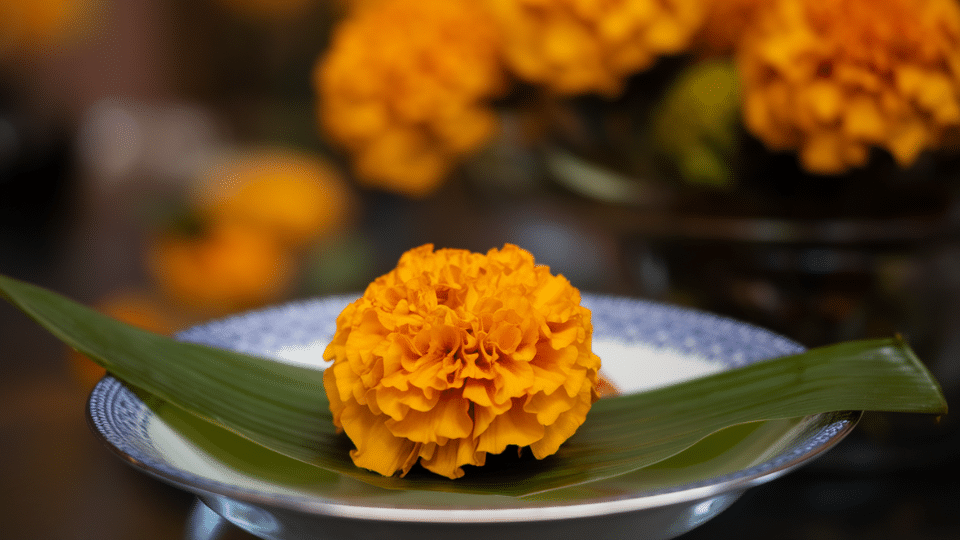
Tagetes marigolds offer a citrus-spicy flavor distinct from calendula pot marigolds. Some varieties taste slightly bitter while others are more citrusy.
Petals add color to salads and rice dishes. Use sparingly until familiar with the specific variety’s flavor profile, as intensity varies.
14. Cornflower (Bachelor’s Button)
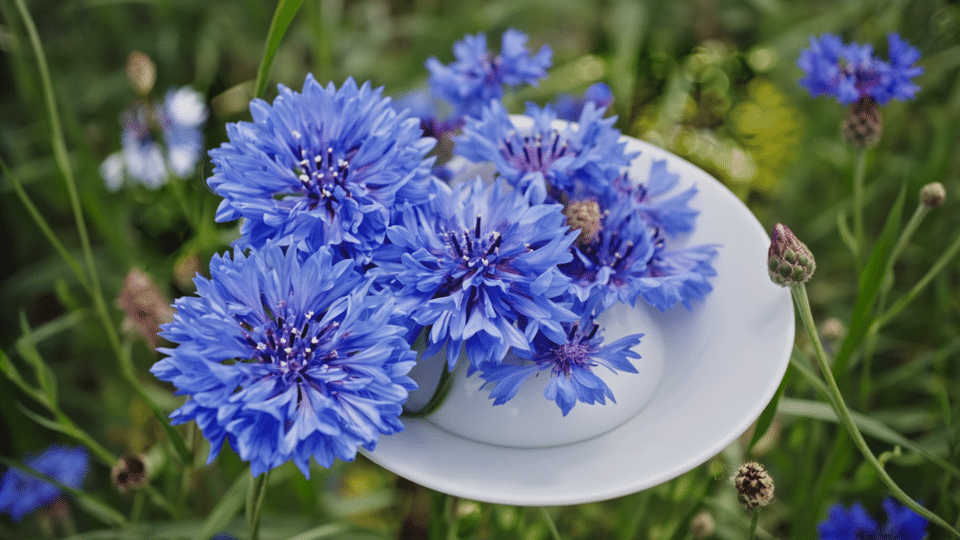
Cornflowers have a mild, slightly sweet flavor with subtle clove notes. The vibrant blue petals make visually striking garnishes for salads, drinks, and desserts.
Flavor is delicate and won’t overpower dishes. Historically used in herbal tea blends and as a natural food coloring agent.
15. Dianthus
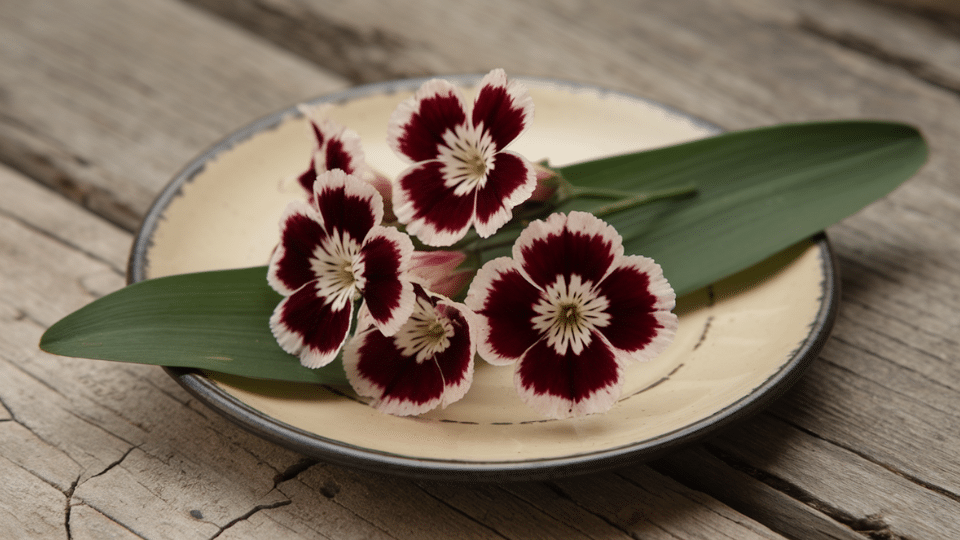
Dianthus, also called pinks or sweet william, has a clove-like, spicy-sweet flavor reminiscent of nutmeg. Remove the bitter white base of petals before eating.
Popular in desserts, salads, and as crystallized decorations. The intense flavor means a little goes a long way in any dish.
Flowers That Are Edible but Require Caution
Not all edible flowers are beginner-friendly. These blooms are safe in the right conditions but come with common pitfalls or preparation requirements.
16. Dandelion
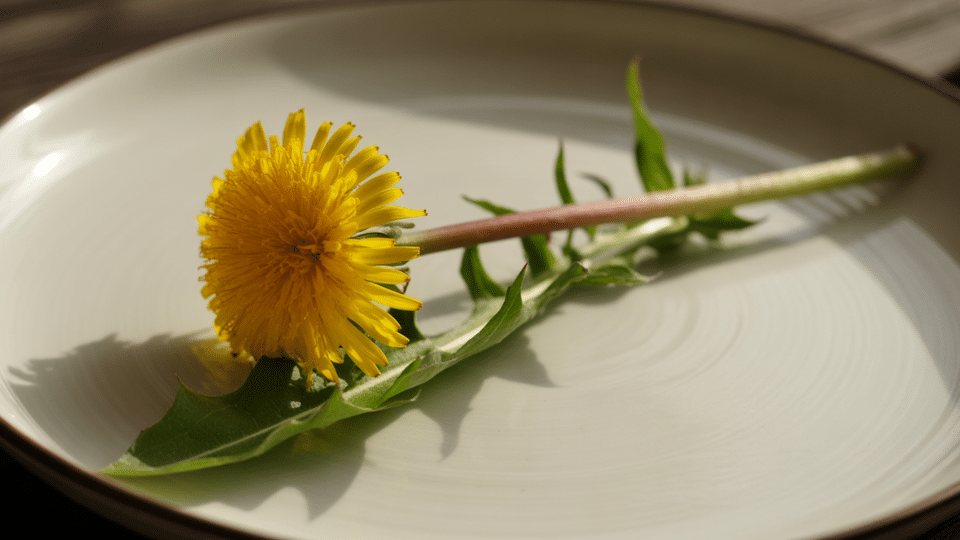
Dandelion flowers taste mildly sweet and honey-like, while leaves are bitter and earthy. Harvest only from pesticide-free areas away from roads and treated lawns.
Young flowers are best before they turn fluffy and white. The entire plant is edible, but bitterness increases with age.
17. Jasmine
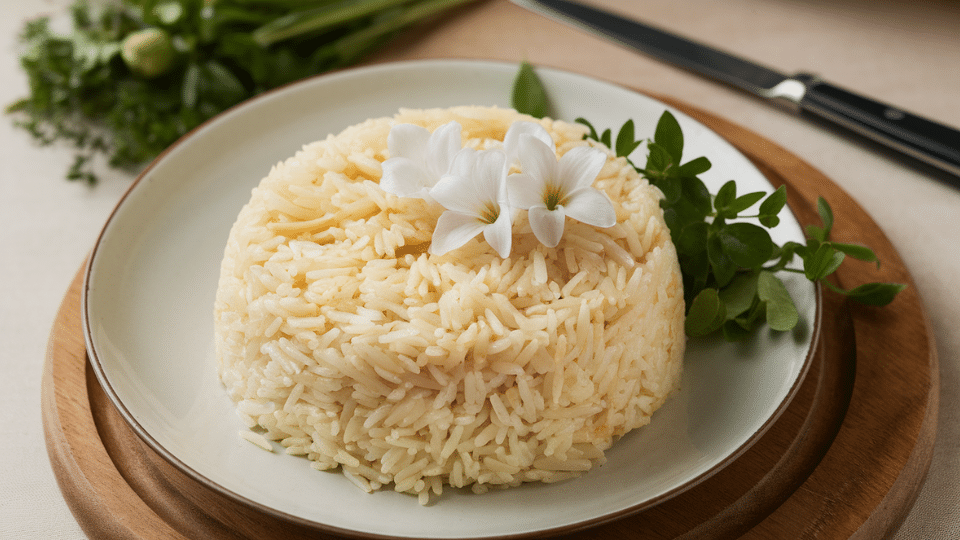
Only certain jasmine species, like Jasminum sambac, are edible, and even those should be used sparingly in teas or desserts.
Many ornamental jasmines sold in nurseries are unsafe for consumption. Confirm variety before using, and start with very small amounts due to the intense, perfumed flavor.
18. Lilac
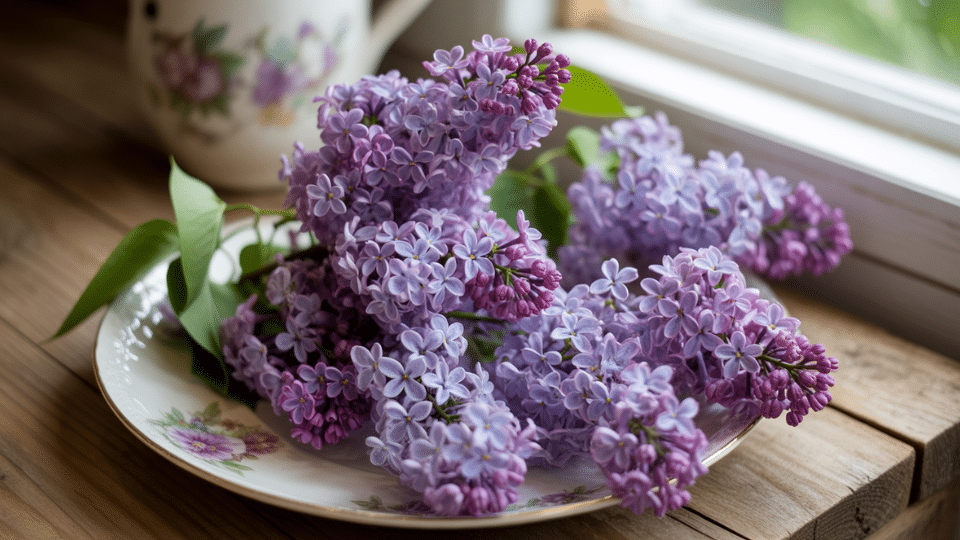
Lilac flowers are edible and have a strong floral taste, but should only be consumed in small amounts due to potential digestive upset.
Some people experience nausea or stomach irritation. Ensure blooms are pesticide-free and never eat the leaves, stems, or bark, which contain compounds that cause illness.
19. Honeysuckle
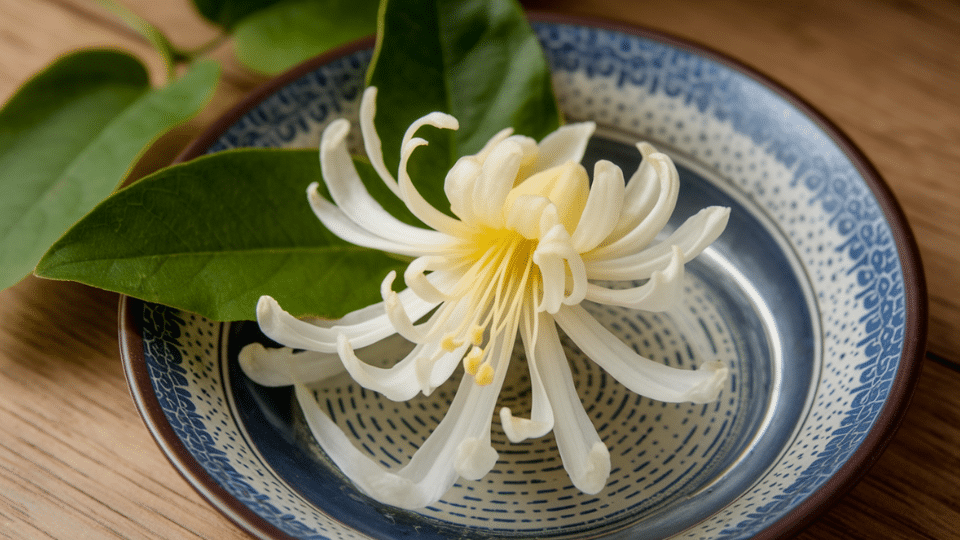
Only the flowers of certain honeysuckle species, like Japanese honeysuckle, are edible, berries and leaves are toxic.
Flavor is sweet and nectar-like, reminiscent of honey. Misidentification is common since many ornamental honeysuckles are not safe. Always confirm species and avoid berries entirely to prevent poisoning.
20. Squash and Pumpkin Blossoms
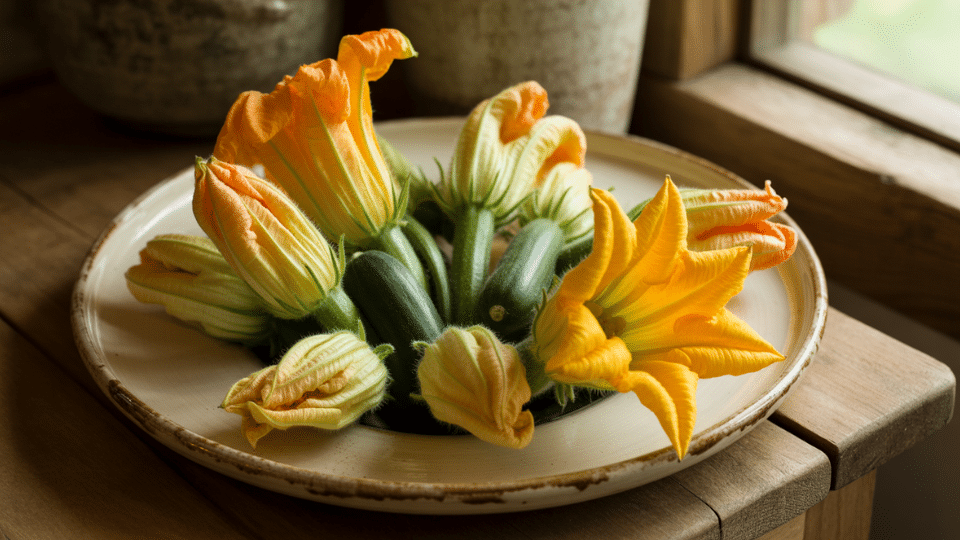
These flowers are safe and popular in Italian, Mexican, and other cuisines, but only when harvested fresh from edible squash or pumpkin plants.
Remove the bitter pistils and stamens before cooking. Male flowers (on stems) are preferred since harvesting female flowers (attached to fruit) reduces crop yield.
21. Borage
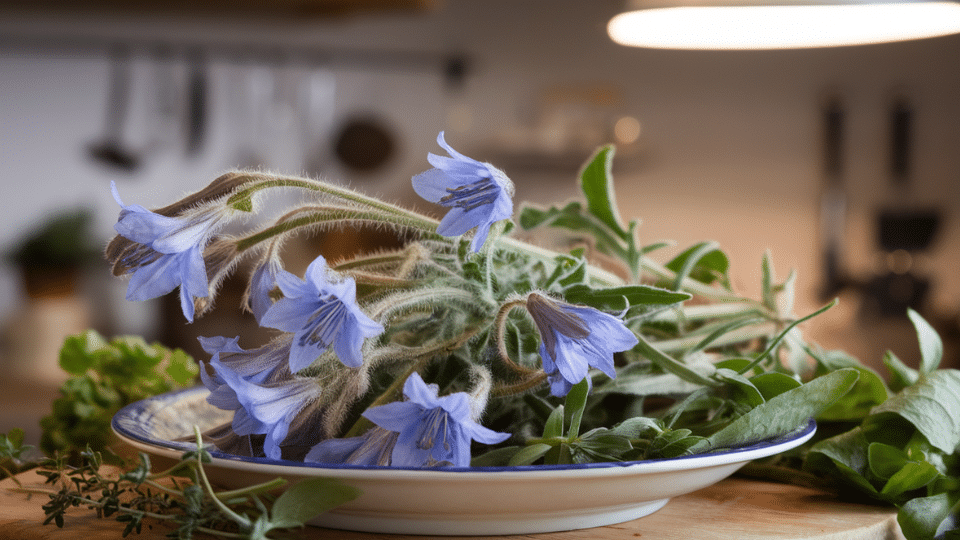
Borage flowers taste mildly cucumber-like with a refreshing quality, and are generally safe in small amounts.
Some people are sensitive to pyrrolizidine alkaloids present in the plant, which can affect the liver with prolonged or heavy consumption. Start with a small taste to test tolerance before using liberally.
22. Daylily
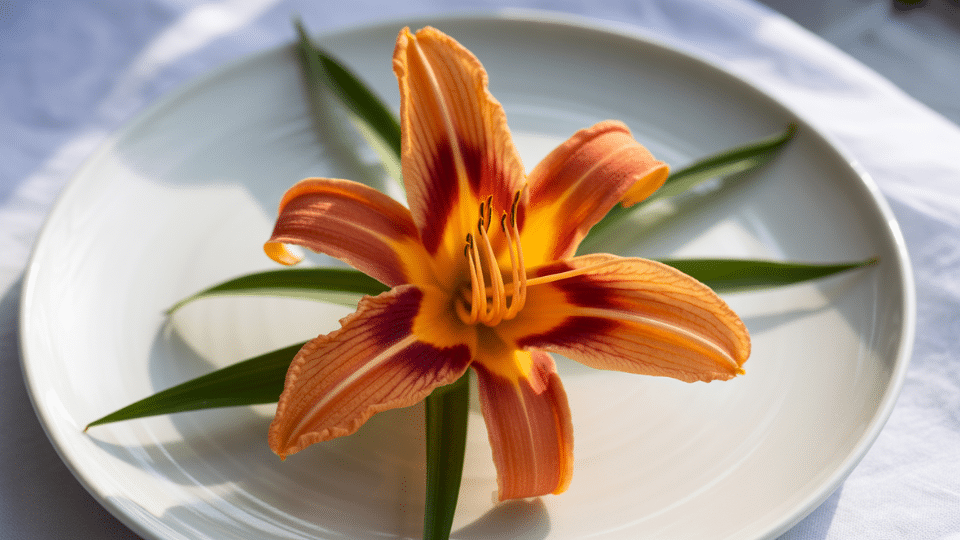
Daylily buds and flowers have a mild, slightly sweet flavor similar to lettuce or asparagus. Only true daylilies (Hemerocallis) are edible, never eat true lilies, which are highly toxic.
Some people experience digestive upset or allergic reactions. Start with small amounts and cook buds thoroughly for best results.
23. Chrysanthemum
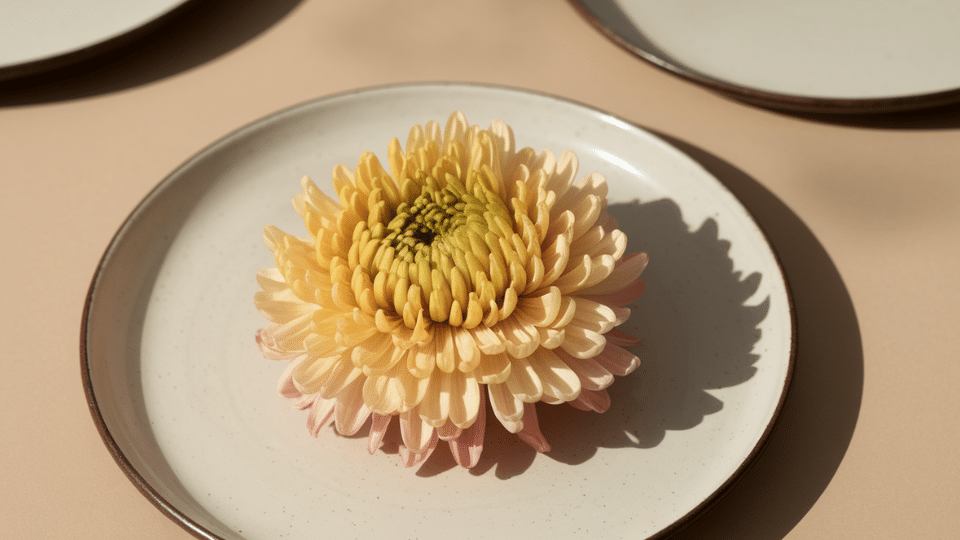
Chrysanthemum flowers have a slightly bitter, herbaceous taste popular in Asian cuisines, especially in teas and salads.
Use only food-grade varieties specifically grown for consumption, ornamental types may be treated with chemicals. Some people develop contact dermatitis or allergic reactions, so handle carefully and test tolerance first.
24. Scented Geranium
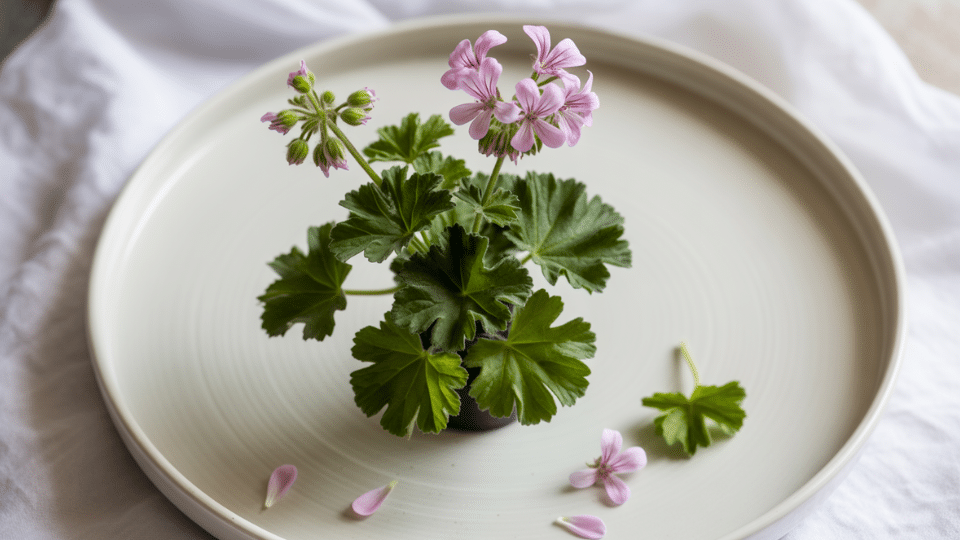
Scented geranium leaves and flowers offer flavors ranging from rose to lemon, mint, or apple depending on variety.
True geraniums (Pelargonium) are edible, but common garden geraniums are not the same plant. Use sparingly as flavor intensity varies. Always verify the specific cultivar before consuming.
25. Begonia
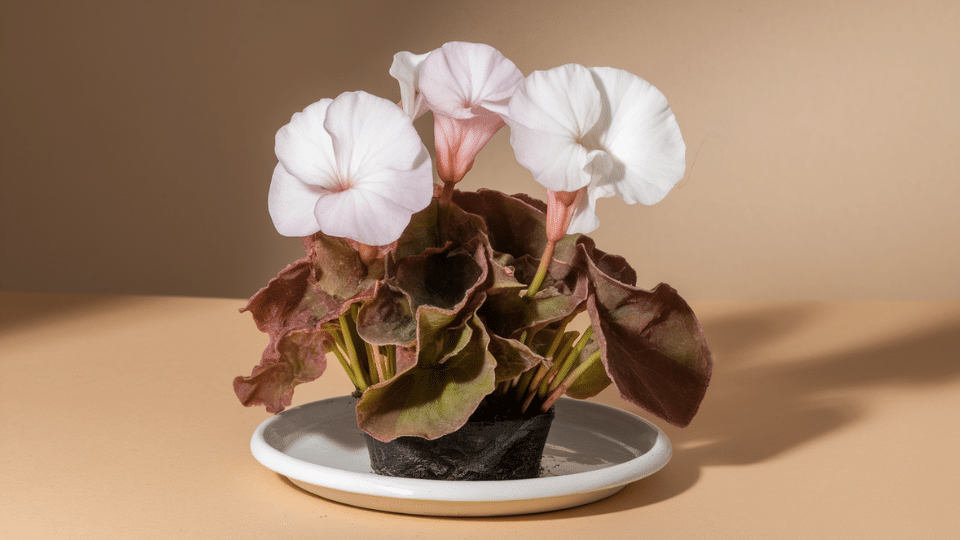
Begonia petals have a crisp texture and lemony, slightly sour flavor. Tuberous begonias are generally preferred for culinary use over other varieties.
Some people find them too acidic or experience mild stomach upset. Start with small amounts and avoid eating begonias treated with systemic pesticides.
26. Rose of Sharon
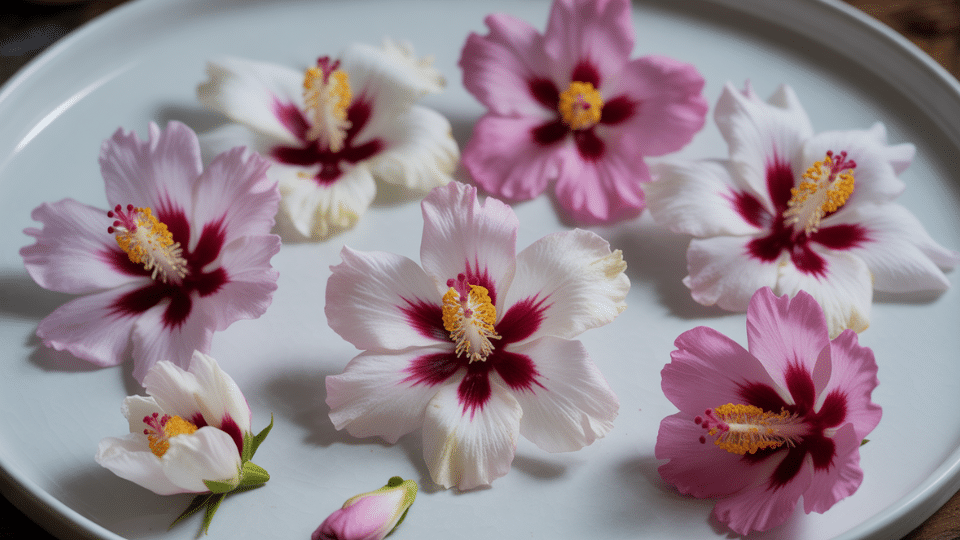
Rose of Sharon flowers are edible with a mild, slightly mucilaginous texture when cooked. Related to hibiscus and okra.
It can have a mild laxative effect in large amounts, so consume it moderately. Ensure proper identification, as some hibiscus relatives are not palatable or safe in quantity.
Flowers You Should Never Eat
Certain flowers are highly toxic and should never be consumed, regardless of preparation or quantity. These plants can cause serious harm.
1. Foxglove: Contains compounds that affect heart function. All parts are poisonous.
2. Oleander: Extremely toxic. Even small amounts can be fatal.
3. Lily of the Valley: Causes heart problems, nausea, and confusion. Never consume.
4. Daffodil: Contains toxic alkaloids. It can cause vomiting and worse.
5. Tulip: Bulbs and flowers both cause digestive distress and allergic reactions.
6. Hyacinth: Toxic, especially the bulbs. It can irritate the skin and digestive system.
7. Wisteria: Seeds and pods are toxic; flowers are unsafe as well.
8. Azalea and Rhododendron: Contain grayanotoxins. Dangerous even in small amounts.
9. Buttercup: Causes mouth irritation, vomiting, and diarrhea.
10. Hydrangea: Contains cyanogenic compounds. It can cause serious poisoning.
Disclaimer: These should never be eaten under any circumstances.
Important Safety Notes Before Eating Any Flower
These flowers are worth trying, but only when approached with care, proper identification, and attention to where and how they were grown.
- Positive identification is non-negotiable. Never eat a flower without being 100% certain of its species.
- Avoid flowers from florists or garden centers. These are grown for looks, not consumption, and often treated with chemicals.
- Start with small amounts. Even safe flowers can cause allergic reactions or digestive upset in some people.
- Grow your own or source from trusted suppliers. Organic, pesticide-free flowers from known sources are the safest option.
- Remove non-edible parts. Stamens, pistils, and sepals can taste bitter or cause irritation. Stick to petals unless otherwise noted.
- When in doubt, don’t eat it. No garnish or recipe is worth the risk of poisoning.
Edible flowers can be a beautiful, flavorful addition to cooking, but only when treated with the respect and caution they require.
The Bottom Line
Learning what flowers are edible has been a process of unlearning assumptions and embracing caution. Not every beautiful bloom belongs on a plate, and safety always comes before aesthetics.
This guide covered the flowers most commonly considered safe, those requiring extra care, and the ones that should never be consumed.
The key takeaway? Proper identification, chemical-free sourcing, and informed decisions make all the difference. Edible flowers offer unique flavors and visual appeal, but only when chosen carefully.
What’s your experience with edible flowers? Drop a comment below or explore more guides on safe, creative cooking.