





You want fresh veg at home, but you don’t want a garden that drains your time. I get that. I like things that feel fun and manageable, too. That’s why I put together the easiest vegetables to grow; plants that don’t mind if you forget to water or plant them a bit late.
Think of this as a gentle way into gardening. A few pots on your patio. A small raised bed. Nothing wild or stressful. Just simple plants that help you get quick wins and feel good about what you’re growing.
In this guide, I’ll show you fast growers, low-care favorites, and a couple of easy planting plans you can copy right away. Let’s keep this light and doable.
What Makes a Vegetable Truly Beginner-Friendly?
Easy vegetables help you feel successful early in the season. Many of them sprout fast and reach harvest in only a few weeks. That quick progress keeps you excited to water, check your plants, and stay involved.
They also need fewer tools and less setup. This helps when you’re busy or working in a small space. A sunny spot, a few containers, and simple soil are often enough to get started.
Some vegetables grow well even when conditions aren’t perfect. Here are traits that make a crop great for a new gardener:
- A short growing season and quick harvest
- Tolerance for average soil and light care
- Ability to grow in beds, pots, or ground soil
These traits remove stress and make growing a garden feel easier from day one.
Easiest Vegetables to Grow for Quick Wins (30–60 Days)
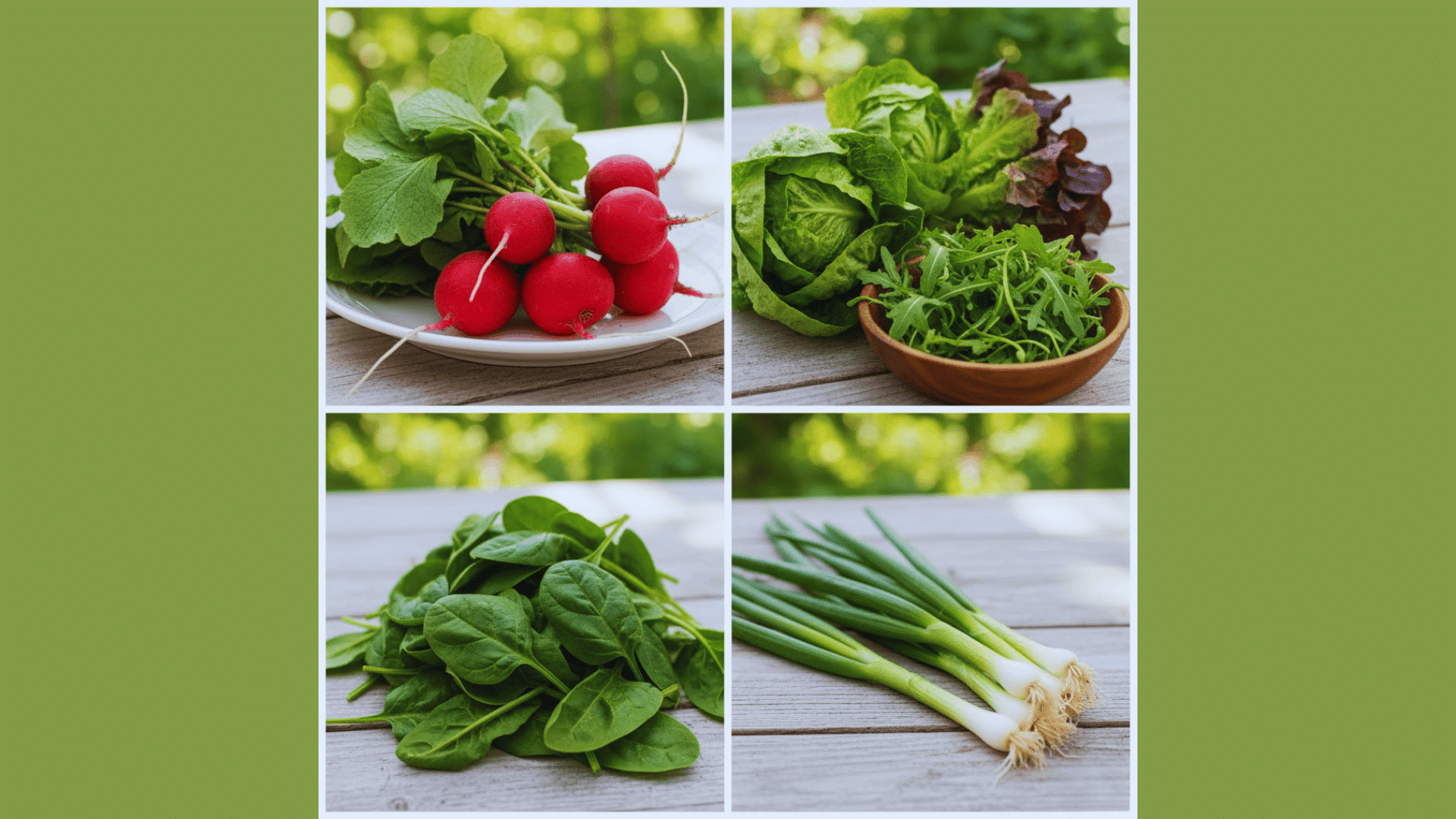
I love starting with vegetables that grow fast because they give you that little boost you need early on.
It feels good to see something sprout quickly, and it makes the whole garden routine feel a lot more fun. These are the types of plants that get moving right away and help you stay excited as you learn.
1. Radishes: The 3-Week Harvest
Radishes sprout fast and grow with very little care. They like cool weather and loose soil. Give each seed enough space so the roots can form well. You’ll often see results in only three weeks.
Best season: Spring and fall
Tips: Keep soil moist for even growth
2. Salad Greens: Loose-Leaf Lettuce and Arugula
These greens grow quickly and keep producing after each harvest. You can pick the outer leaves while new ones grow from the center. They fit well in pots or small beds and don’t need rich soil to thrive.
Best season: Spring and fall
Tips: Sow new seeds every 2–3 weeks
3. Spinach: Easy Cool-Season Leafy Green
Spinach grows well in cool temperatures and can handle light shade. Sow it directly and keep the soil moist. It may bolt once warm weather hits, so early planting gives you a longer harvest window.
Best season: Early spring or fall
Tips: Add light shade during warm spells
4. Green Onions / Spring Onions
Green onions grow easily from seeds, sets, or kitchen scraps. They take up very little space and work well in narrow containers or garden edges. You can harvest them young or let the stems get thicker.
Best season: Spring through fall
Tips: Plant in clusters for steady harvests
Low-Maintenance Leafy Greens That Keep Producing
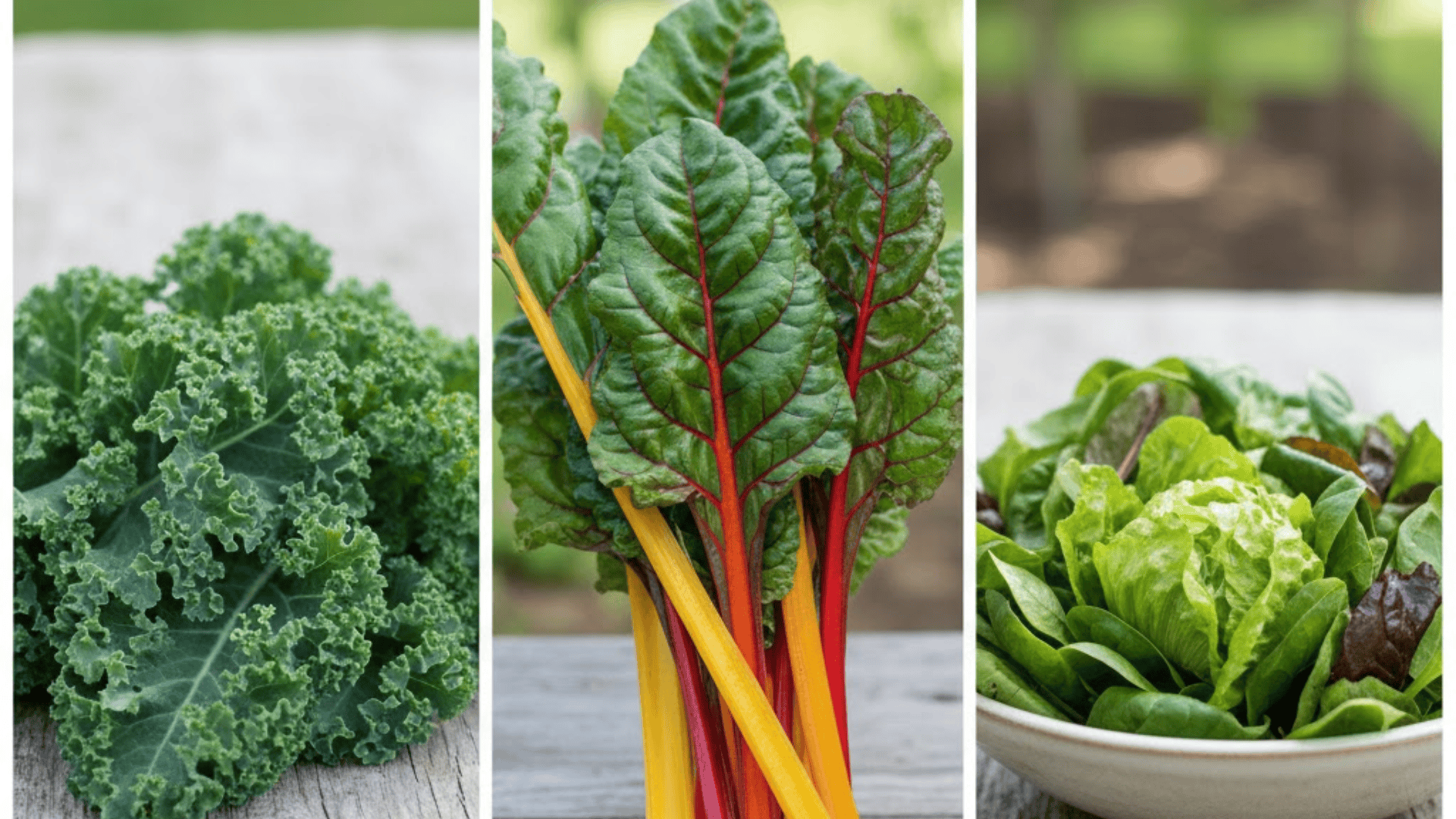
These leafy greens grow with light care and keep sending up fresh leaves, giving you steady harvests through much of the season.
5. Kale: Tough, Productive, and Nutrient-Dense
Kale handles cool weather and mild heat with no trouble. Pick the outer leaves and let the center keep producing. It resists many common pests, which helps you stay successful as a new gardener.
Best season: Spring and fall
Tips: Mulch to keep soil cool
6. Swiss Chard: Colorful and Forgiving
Swiss chard grows well in many soil types and even in partial shade. You can harvest leaves often, and the plant will send up new growth for months. It’s one of the most reliable greens for beginners.
Best season: Spring through fall
Tips: Trim outer leaves to keep plants productive
7. Loose-Leaf Lettuce Mixes
Lettuce mixes grow fast and handle tight spaces, making them perfect for containers. They are more forgiving than head lettuces and stay tender with light, steady watering. Sow often for a constant supply.
Best season: Spring and fall
Tips: Water lightly and often to keep leaves tender
Root Vegetables That Almost Grow Themselves
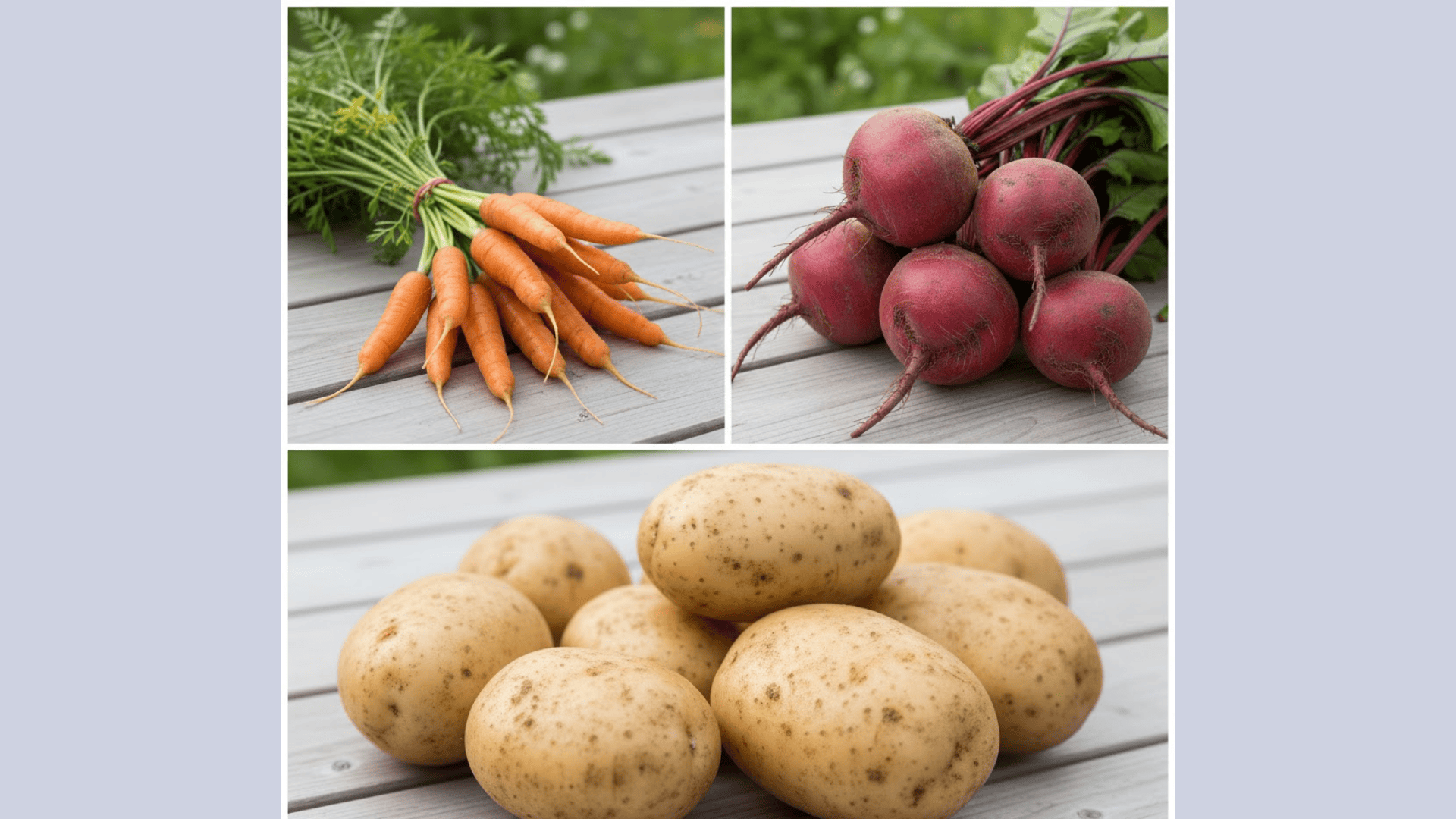
I love these because they do most of the work on their own. A bit of water, simple soil, and they just get on with it. They’re perfect when you want an easy garden without much fuss.
8. Carrots: Easy Once You Get Germination Right
Carrots grow best in loose, rock-free soil. Keep the surface moist until seedlings come up, then let the plants grow with simple care. You can harvest them young or wait for full-size roots.
Best season: Spring and fall
Tips: Thin seedlings for straight roots
9. Beets: Roots and Greens in One Crop
Beets grow quickly in cool weather and give you tender roots plus leafy greens. They need steady moisture and basic soil to do well. You can harvest them small for the sweetest flavor.
Best season: Spring and fall
Tips: Space seeds to allow roots to form
10. Potatoes: Big Yields from a Few Seed Pieces
Potatoes thrive in bags, buckets, or raised beds. Cover the stems with soil as they grow to create more tubers. They need simple watering and reward you with a large, reliable harvest.
Best season: Spring
Tips: Use loose soil for bigger yields
Beginner-Friendly Warm-Weather Favorites
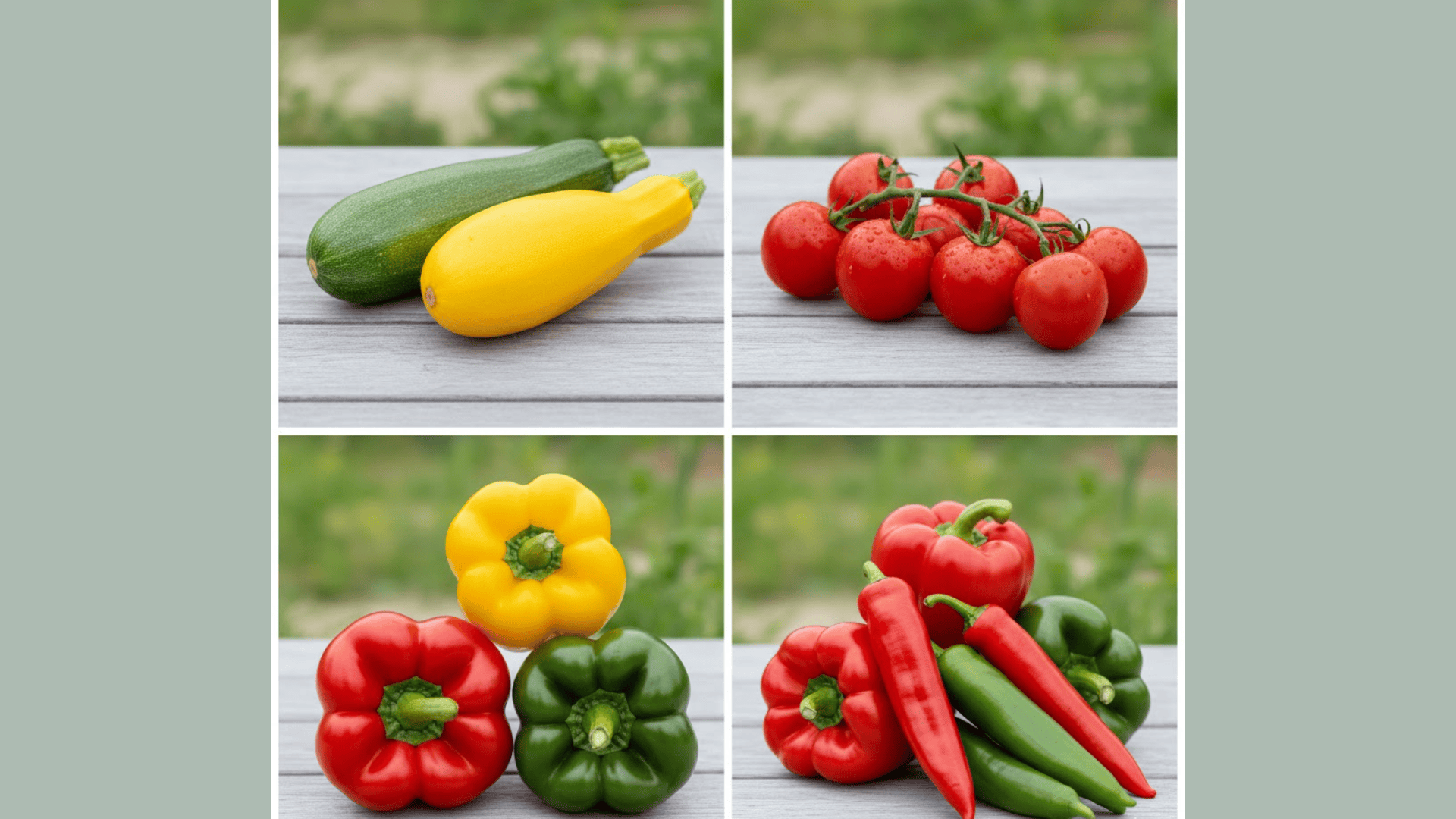
These warm-season vegetables thrive in sunny weather and reward you with steady growth, even when you’re still learning the basics.
11. Cherry Tomatoes: The Classic Starter Crop
Cherry tomatoes grow well in beds or containers and produce steady clusters of fruit. They handle heat and light care, especially when you start with nursery plants. Their small fruits ripen faster than larger tomato types.
Best season: Late spring and summer
Tips: Support plants with a small cage or stake
12. Zucchini / Summer Squash: Huge Harvests from Few Plants
Zucchini grows fast and produces large harvests with simple care. Give each plant enough room and keep an eye on the flowers for good pollination. One or two plants are usually enough for most homes.
Best season: Summer
Tips: Harvest young for better flavor
13. Peppers: Easy in Warm, Sunny Spots
Peppers love heat and full sun. They grow well in containers or garden beds and only need steady moisture. With simple feeding, they produce firm fruit through the season and stay productive in warm climates.
Best season: Summer
Tips: Keep the soil warm to help plants grow faster
Herbs and Bonus Crops That Make Growing a Garden Feel Simple
I like adding these crops because they stay easy from day one. They don’t ask for much, they taste great, and they fit into any small corner you have available.
| Crop | Why It’s Easy | Best Growing Method |
|---|---|---|
| Basil, Mint, Parsley, Chives | Grow well in small pots, need light care, and stay productive with simple trimming | Containers, patio pots, windowsills |
| Garlic | Planted once and grows slowly on its own until summer harvest | Ground soil, raised beds |
| Bulb Onions | Easy to grow from sets and only need steady watering | Raised beds, containers, and garden soil |
They slide into tiny spaces and give you quick wins, which is great when you’re still figuring out what works in your garden.
Quick-Start Guide to Growing a Garden as a Beginner
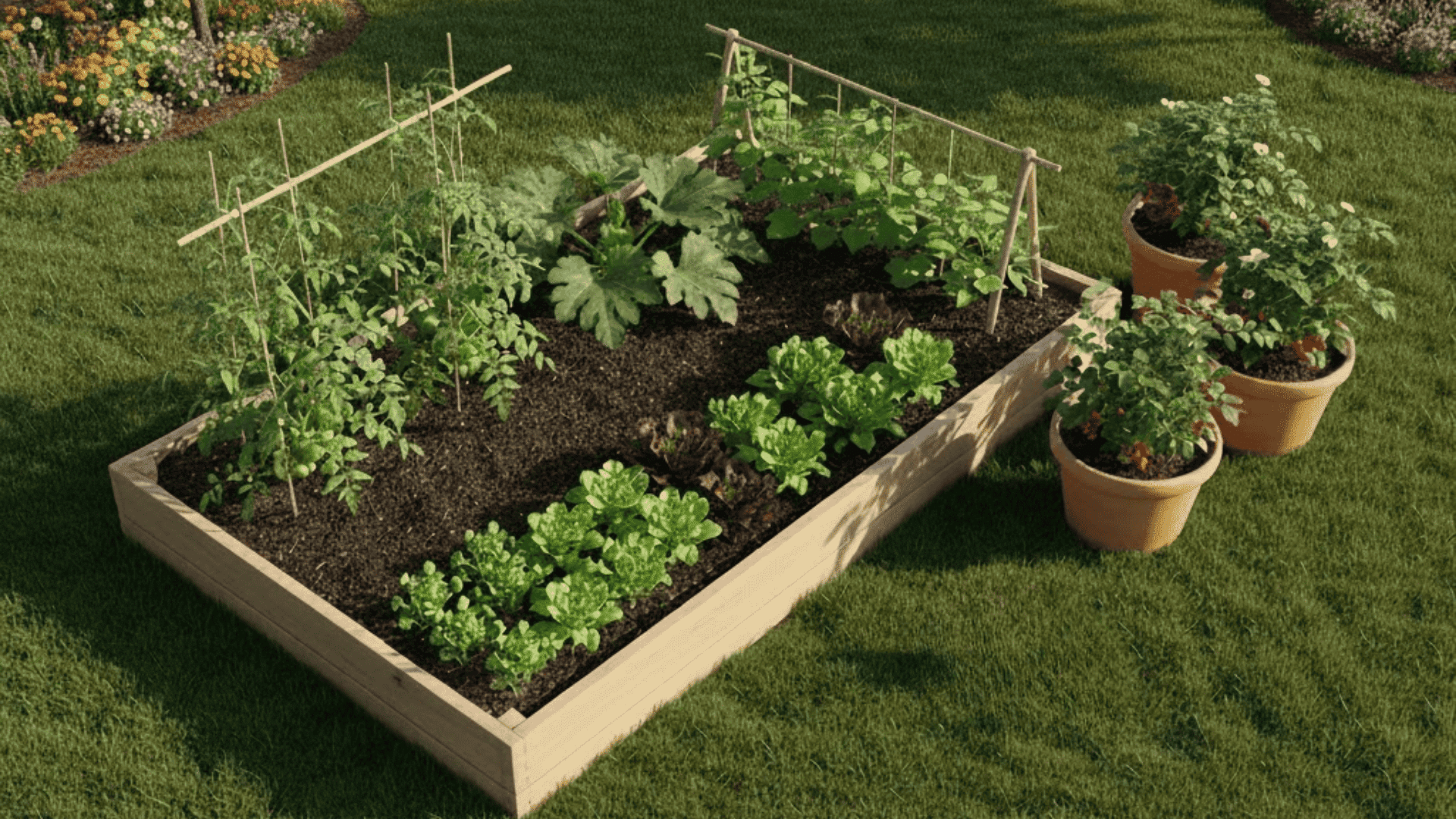
These simple steps help you set up a small, easy garden that gives you early success without feeling overwhelmed.
Step 1: Pick a sunny, easy-to-reach spot: Choose an area that gets six to eight hours of sun with good drainage. If you don’t have yard space, set up a raised bed or a few large containers in a bright spot close to a water source.
Step 2: Keep your first garden small: Start with one 4×8 raised bed or five to seven large pots. This size gives you room for several vegetables without creating too much work during your first season.
Step 3: Set up simple soil and light feeding: Use bagged garden soil mixed with a bit of compost. Add slow-release fertilizer once at planting time. Most beginner-friendly vegetables grow well with this single feeding.
Step 4: Follow an easy planting plan:
Try a balanced layout like this:
– 2–3 tomatoes
– 2 zucchini
– 1 row beans
– 1 row carrots
– 1 strip salad greens
If you’re gardening on a patio, use pots for tomatoes, lettuce, beans, peppers, and green onions.
Step 5: Try a snack garden for easy wins: Plant fast, fun crops like radishes, snap peas, cherry tomatoes, and a few strawberries. These grow quickly and feel rewarding for adults and kids.
Vegetables to Skip in Your First Year (and What to Grow Instead)
Some crops need more time, space, or skill than a new gardener usually wants to manage, so it helps to choose easier substitutes that still give you a similar experience.
| Hard-to-Grow Crop | Why to Skip It | Easier Swap | Why the Swap Works |
|---|---|---|---|
| Brussels sprouts | Long season, sensitive to warm weather | Cabbage or kale | Similar flavor and grows well in simple setups |
| Sweet corn | Needs space, good pollination, and steady heat | Peas or bush beans | Take up less space and grow fast with light care |
| Asparagus | Takes years to mature | Green beans or snap peas | Produce in the first season and stay low-maintenance |
If you want, I can also create icons or quick notes for each row.
Care Basics for Low-Maintenance Vegetables
These simple habits keep your plants healthy without adding extra work to your routine.
- Watering: Check the soil with your finger and water when the top feels dry. Use slow, deep watering to help roots grow strong and avoid shallow, quick sprinkles.
- Feeding and mulching: Add compost or slow-release fertilizer at planting time. Spread mulch around plants to hold moisture and keep weeds down.
- Pest and disease prevention: Use light barriers like netting or row covers to protect tender greens. Mix different crops to reduce pest buildup in one area.
These small steps support steady growth and help your garden stay productive through the season.
Bottom Line
I hope this guide gives you a clear starting point and helps you feel more confident about choosing the easiest vegetables to grow. You saw which plants need light care, which ones grow fast, and how you can set up a small garden without a lot of work.
As you try a few of these vegetables, you’ll find your own pace and learn what fits your space and routine. I like keeping things simple, and I know you can build a garden that feels the same way.
If you want more ideas or support for your next steps, feel free to check out my other posts. I’ll be here to help you keep growing.

















2 Responses
Thank-you for the read IT help’s
Thanks 👍 good Read IT was helpful 🤗