Poplin vs. Oxford might not be something I thought much about at first, but the more shirts I tried, the more I noticed how differently they behaved.
One felt cooler on hot days, while the other held its shape better but didn’t breathe as well. It wasn’t just about fit or style; it was the fabric doing all the quiet work.
Now you’re probably looking for the same clarity, what actually sets these two apart, and why does it matter when choosing a shirt?
Here, you’ll get a closer look at how each fabric is built, how it feels, and which one fits best with your routine, climate, and skin needs. If you’ve ever bought a shirt that looked great but didn’t wear well, the answer might be in the fabric.
What Makes One Fabric Feel Better Than Another?
The way a shirt feels comes down to three main things: how the threads are arranged, what kind of fibers are used, and how heavy or light the fabric is.
Thread pattern affects texture. Some shirts feel smooth and crisp. Others feel thicker and softer. The weight of the fabric helps decide when and where you’d want to wear it, like a warm flannel for winter or a light shirt for summer.
The fiber type (like cotton or polyester) changes how the shirt feels on your skin, how long it lasts, and how well it breathes.
These basic ideas make it easier to tell the difference between shirt types like poplin, Oxford, or twill. They also help you choose a shirt that fits your needs, if it’s comfort, durability, or style. Knowing this keeps you from wasting money on the wrong fabric for the wrong reason.
Poplin vs. Oxford: A Simple Breakdown
Poplin and Oxford are two of the most common shirt fabrics you’ll come across. They may look similar at first, but they feel, wear, and behave very differently. Here’s what they are:
What is Poplin Fabric?

Poplin is made using a simple over-and-under thread style called a plain structure. The threads are packed tightly with fine yarns, which give poplin its flat, smooth surface. It doesn’t feel rough or heavy, just clean and soft.
This fabric has been around for a long time. It was first used for military uniforms because it was strong but still light. Later, it became popular for formal clothing, like dress shirts, because of how neat and sharp it looks.
Poplin is known for being:
- Lightweight: You won’t feel weighed down.
- Breathable: Great for warmer weather or layering.
- Smooth: Feels soft and clean against the skin.
- Has a slight shine: Just enough to look sharp, but not flashy.
Because of its clean finish, poplin works well under blazers or suits. It keeps your outfit looking sharp without adding bulk.
What is Oxford Fabric?
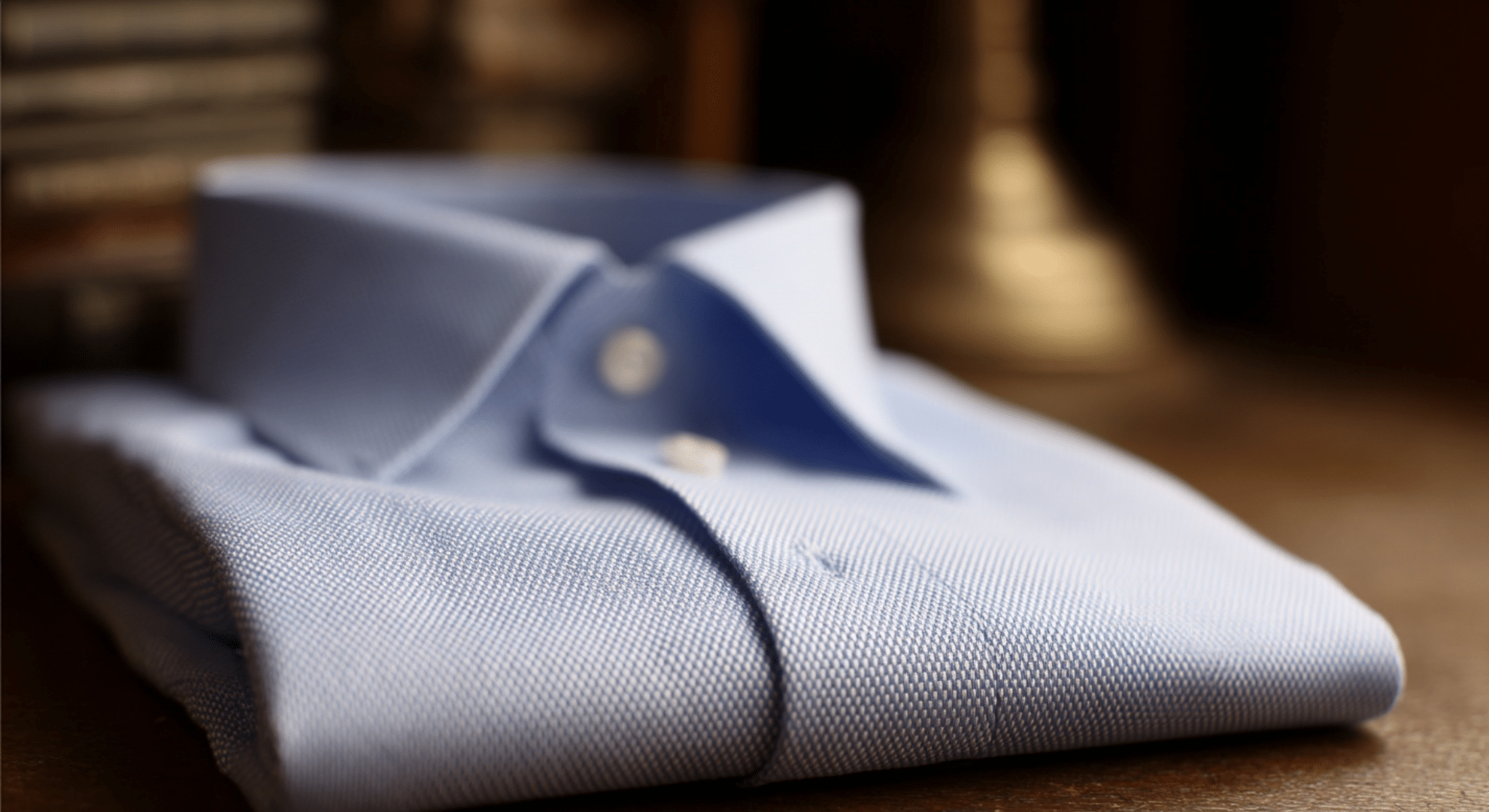
Oxford fabric is made using a basket-style structure, which means two or more threads cross over and under each other at the same time. This gives the fabric a bit more texture compared to smoother fabrics like poplin.
It’s made with thicker yarns, which makes it strong and soft at the same time. The result is a fabric that feels sturdy but still comfortable enough for daily wear. You’ll often find it in casual and semi-formal shirts.
Oxford shirts have a mix of traits that make them useful in many situations:
- Slightly rough texture: not scratchy, just more noticeable than smooth fabrics
- Holds its shape well: great for looking neat without needing much effort
- Works for different settings: you can dress it up or wear it casually
This makes Oxford a go-to fabric for people who want one shirt to do more than one job.
Poplin vs. Oxford: How They Compare
Poplin and Oxford may both be used for shirts, but they feel, wear, and work very differently. Here’s a simple side-by-side look at what sets them apart in terms of feel, use, and care.
| Category | Poplin | Oxford |
|---|---|---|
| Weave Type | Plain structure (tight, smooth finish) | Basket structure (thicker, textured threads) |
| Texture | Very smooth and crisp | Soft with a slight texture |
| Weight | Light and thin | Heavier and thicker |
| Breathability | High – better for warm weather | Medium – better for cooler days |
| Formality | Great for formal wear, office settings | Best for smart-casual, relaxed environments |
| Best Use | Under suits, meetings, dress codes | Weekend wear, casual offices, everyday use |
| Durability | Less durable over time | Tougher and longer-lasting |
| Wrinkle Resistance | Wrinkles easily, needs frequent ironing | Resists wrinkles, often fine without ironing |
| Washing Impact | May thin or fade after many washes | Gets softer while keeping its shape |
Both fabrics have their place. Poplin works best when you want something crisp and clean for more formal settings.
Oxford is a go-to when you want a shirt that’s sturdy, easy to care for, and fits into everyday life with less effort.
Which Fabric is Best for You?
Choosing between poplin and Oxford depends on what you need from your shirt. The best fabric really depends on your lifestyle, the weather, and how much time you want to spend on care.
Poplin is great for warm weather because it’s lightweight and breathable, making it ideal for summer days or hot indoor settings.
It also has a crisp, clean look that fits well in formal settings like offices, meetings, or events where you’re layering under a suit. However, poplin wrinkles more easily and usually needs ironing to stay sharp.
If you prefer a shirt that’s easy to care for, Oxford might be a better match. It’s thicker, which makes it better for cooler weather or everyday wear, and it softens nicely over time. Oxford also resists wrinkles better, so it needs less attention after washing.
If you want a dressy look and don’t mind the upkeep, go with poplin. If comfort and low maintenance matter more, Oxford is the way to go.
Other Shirt Fabrics Beyond Poplin and Oxford
Poplin and Oxford are two of the most popular shirt fabrics, but they’re not the only options out there.
If you’re looking for something different, no matter if it’s better for the weather, more relaxed, or just a new feel, it helps to know what else is available.
Here are some other common shirt fabrics you’ll come across, each with its own look, weight, and comfort level:
Twill Fabric
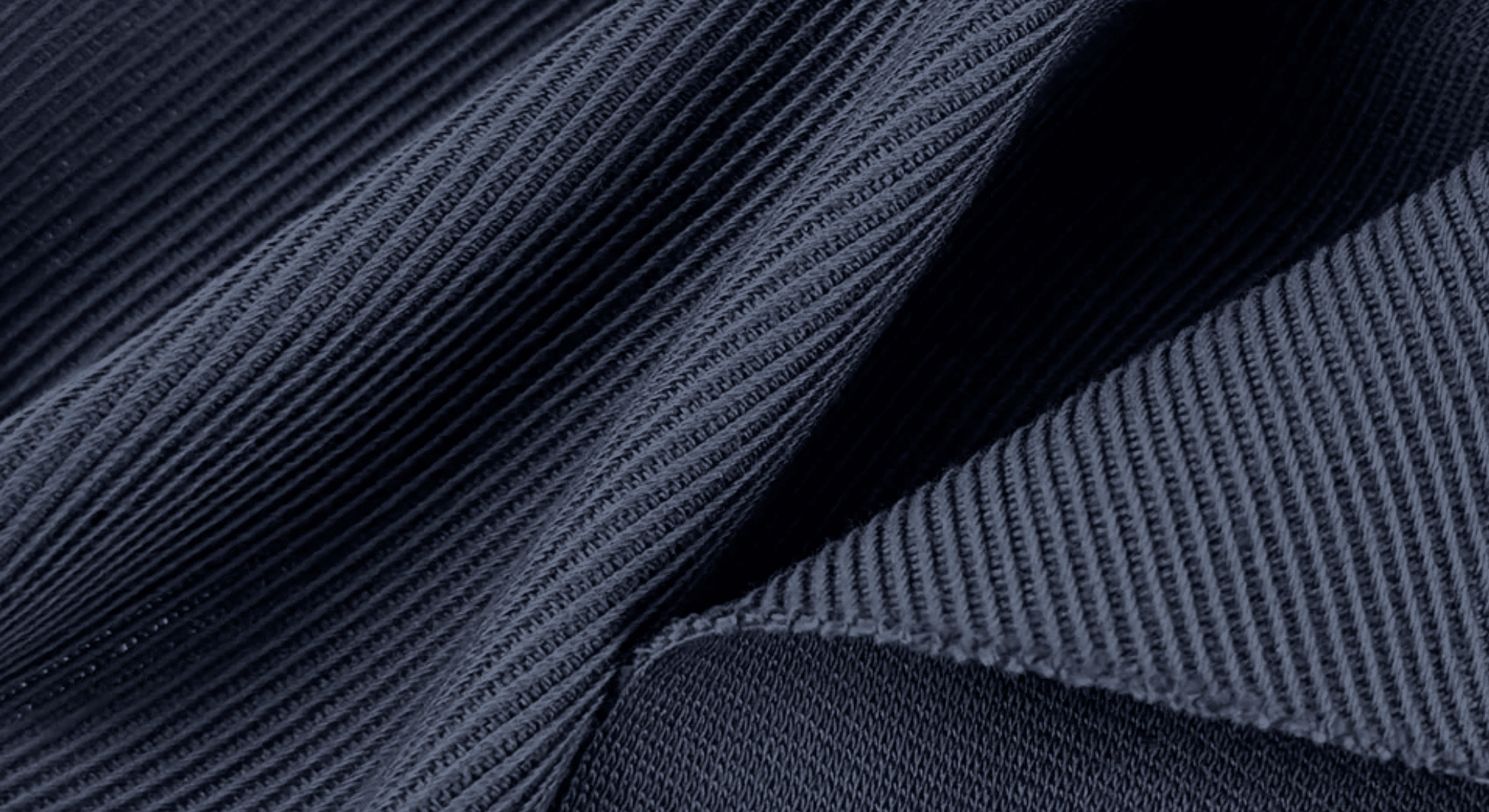
Twill fabric is known for its diagonal thread pattern, which gives it a bit of texture and a soft, flexible feel. It’s heavier than poplin and drapes more smoothly over the body.
That weight makes it a good pick for cooler weather, or when you want a shirt that feels more structured but still moves well.
Twill is less likely to wrinkle, which also makes it easier to manage during busy days. It has a smooth finish that can still look dressy, so it works in both formal and semi-casual settings.
If you like a shirt that feels soft, has a bit of weight, and holds its shape, twill is a strong choice. It’s especially useful in colder months when lightweight fabrics don’t offer enough warmth.
Chambray Fabric
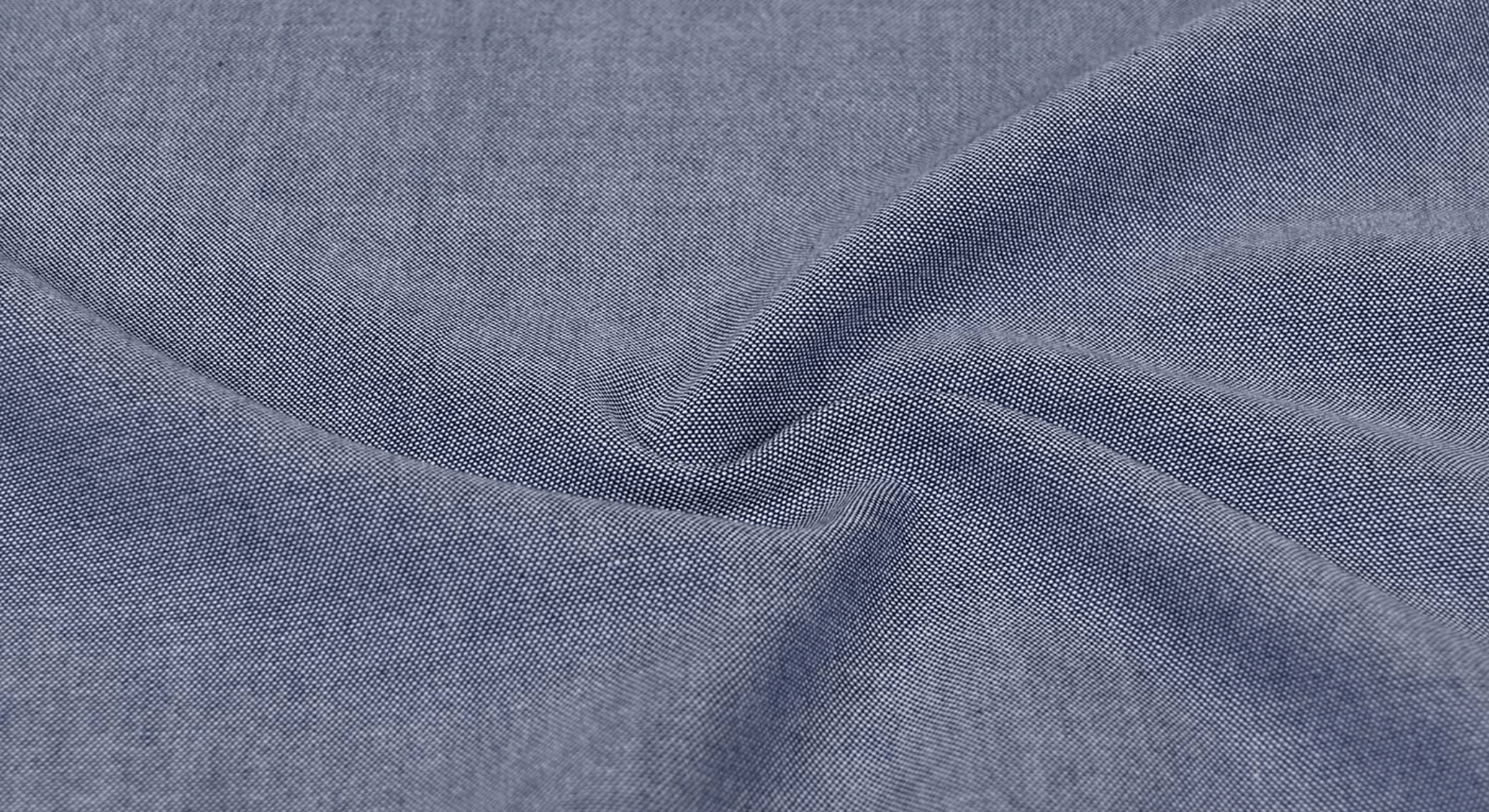
Chambray might look like denim, but it’s actually much lighter and more breathable. It’s made with a plain thread structure, like poplin, but uses colored threads mixed with white ones to get that denim-style look.
Unlike denim, chambray is soft and easy to wear, even on warmer days. It’s a great choice for casual shirts, especially short sleeves or relaxed button-downs.
The lightweight material makes it ideal for spring and summer, and it pairs well with jeans, chinos, or shorts. Chambray gives you the laid-back feel of denim without the stiffness or heat.
If you like casual clothes that still look put together, chambray hits the sweet spot. Just keep in mind, it doesn’t hold structure as well as heavier fabrics, so it fits best in settings where comfort matters more than sharp lines.
Linen Fabric
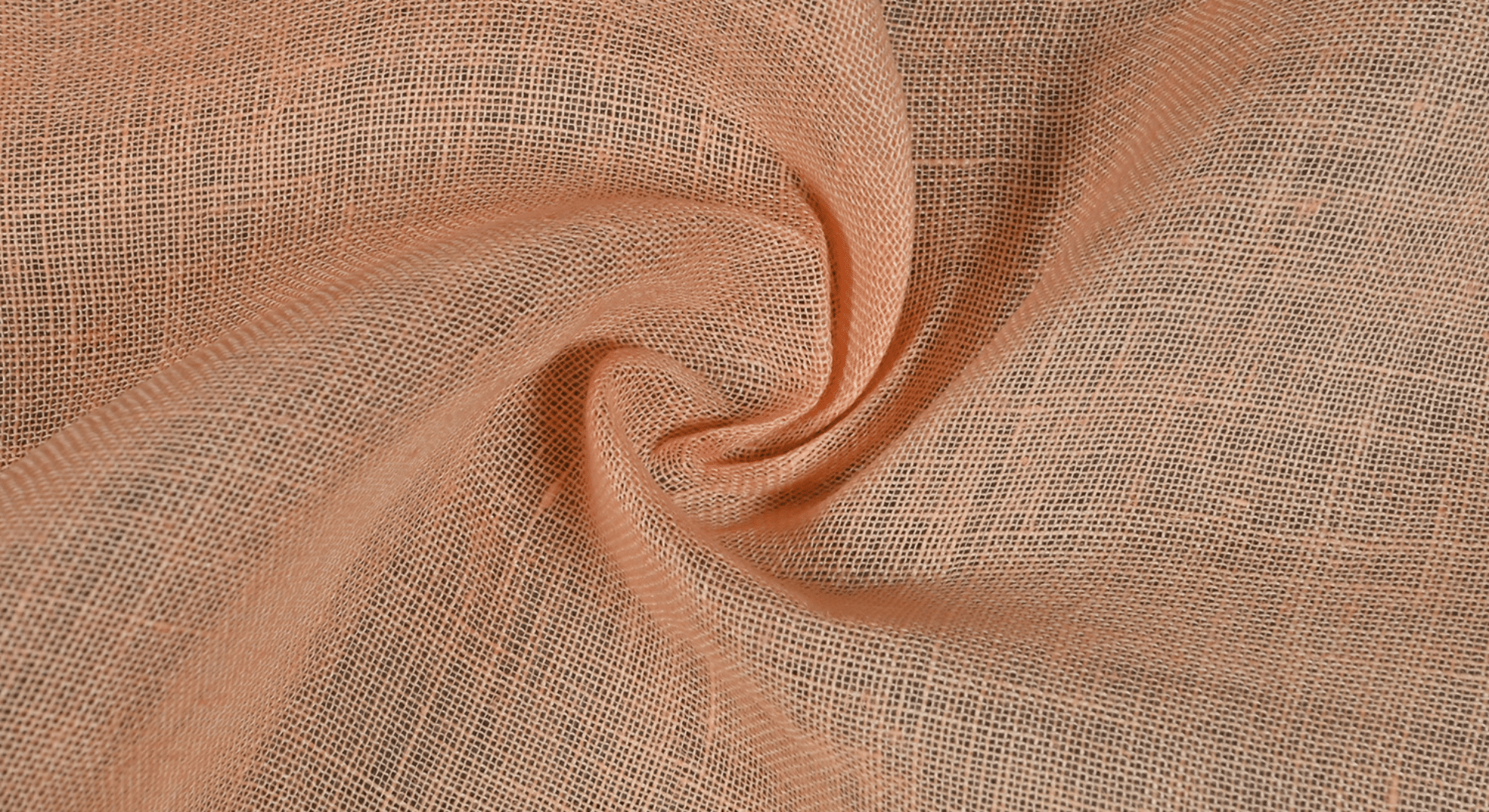
Linen is a natural fabric made from flax, and it’s perfect for hot, humid weather. It’s light, airy, and lets your skin breathe. Linen shirts are often worn a bit loose to keep things cool, and they’re great for summer or tropical climates.
The downside? Linen wrinkles: a lot. That’s part of its style, though. Many people accept the creases as part of the relaxed, easygoing look. Linen also needs a bit more care when washing and drying to keep it from shrinking or losing its shape.
But if staying cool is your top goal, linen is hard to beat. It’s perfect for vacations, outdoor events, or anytime the heat is too much for cotton. Just know you’ll trade off some structure and smoothness for breathability and comfort.
Pinpoint and End-to-End

Pinpoint and End-on-End fabrics sit between poplin and Oxford in both feel and formality. Pinpoint is made using a similar method as Oxford but with finer threads, giving it a softer feel and smoother look.
It’s a nice middle ground: neat enough for work, but not too stiff. It works well in both business and casual settings. End-on-End, on the other hand, uses threads of two different colors woven together, which creates a subtle texture when viewed up close.
It’s light like poplin but slightly more textured, making it a good fit when you want something sharp that isn’t completely flat.
Both fabrics offer a balance of comfort and polish, perfect for people who want one shirt to do many jobs. They’re not as relaxed as Oxford, not as crisp as poplin, but a solid “in-between” choice for everyday wear.
Fabric Care, Comfort, and Sustainability
When picking between poplin and Oxford, it’s not just about how they look; it’s also about how they feel, last, and affect the environment.
Poplin is smoother and softer on the skin, making it a great choice for those with sensitive skin. Its fine threads and light weight also allow more airflow, which helps in hot weather.
Oxford, with its thicker weave, feels more textured and may be less breathable, but it offers more structure and warmth.
If you have skin sensitivities, choose 100% cotton versions of either fabric and avoid synthetic blends. Pre-washing shirts and using gentle, fragrance-free detergent can also reduce irritation.
From a sustainability angle, cotton versions of poplin and Oxford are the better choice. They’re biodegradable and break down naturally, unlike synthetic blends that shed microplastics and stay in the environment longer.
When it comes to lasting power, Oxford holds up better over time due to its thicker threads, needing fewer replacements. Poplin may wear down quicker, but it offers higher comfort right out of the box.
Choosing quality, natural-fiber shirts helps the planet, your skin, and your wallet in the long run.
Care and Maintenance Tips
Taking care of your shirts the right way helps them last longer and feel better. No matter if it’s poplin, Oxford, or linen, a few simple habits can keep your shirts looking fresh and clean.
- Wash poplin in cold or warm water to protect its smooth finish and prevent shrinking.
- Use a gentle cycle for Oxford to avoid damage, and avoid overcrowding the washer.
- Wash linen in cool water and hang dry to keep its shape and avoid harsh wrinkles.
- Iron poplin while slightly damp for best results—use medium heat with steam.
- Iron Oxford on a higher heat to press out texture without damaging the fabric.
- Store shirts on hangers to help keep their shape and avoid deep creases.
- Tackle stains quickly using a mild detergent or spot remover before washing.
With the right care, your shirts stay softer, look better, and last longer. A few extra minutes during laundry day can make a big difference.
Conclusion
Learning the small differences between Poplin and Oxford changed the way I shop and wear shirts. It’s not just about looks; it’s about how the shirt moves with you, holds up after washes, and fits into real life.
Now that you’ve got the details, trust your own comfort and needs when picking your next shirt. What feels right on you matters more than what the label says.
Keep that in mind next time you’re at the store or scrolling online. And if this got you thinking differently about shirts, there’s more to learn.
Take a look at the other blogs on the website; you might be surprised by what else makes a big difference!