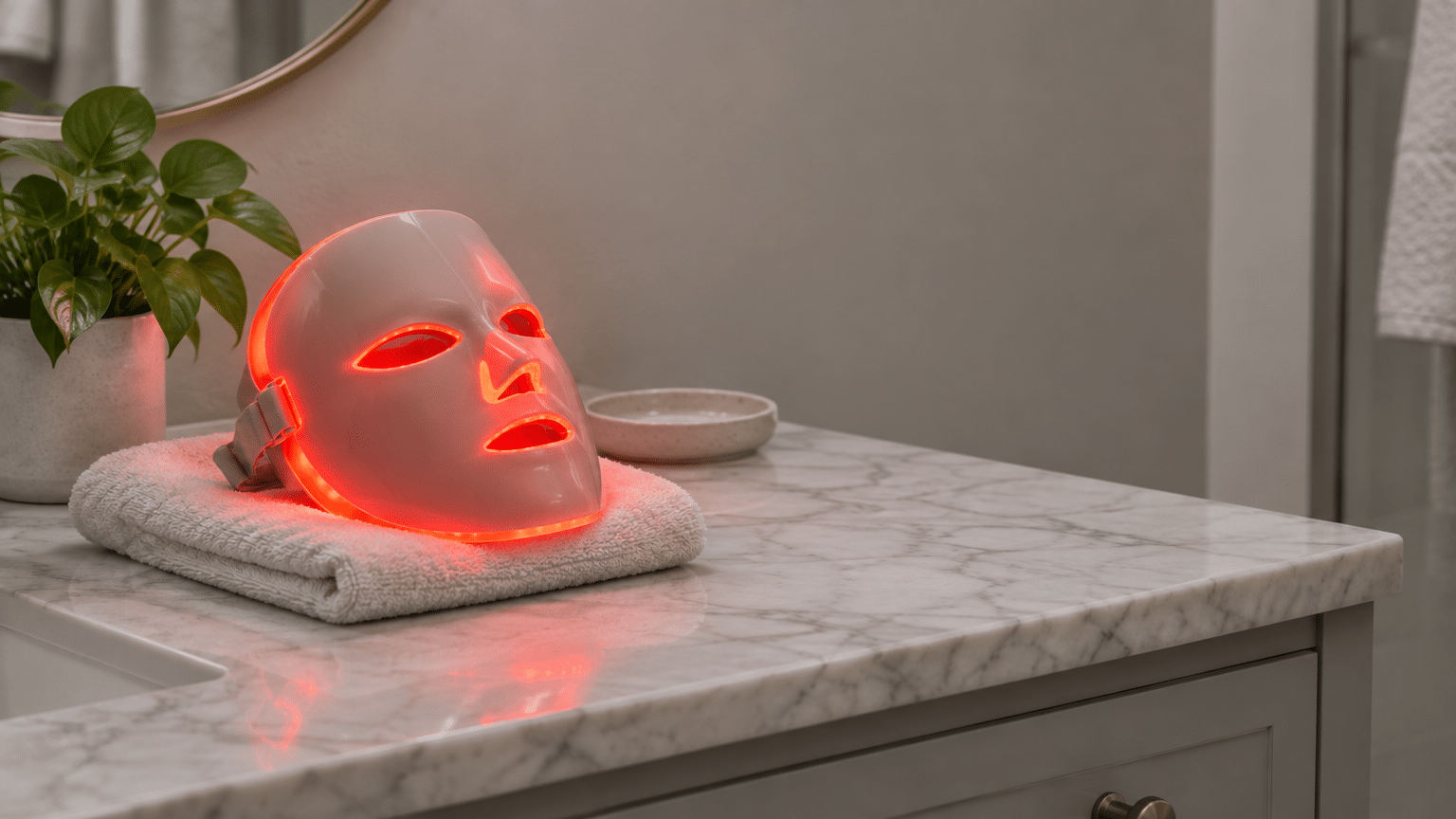
Skincare technology has introduced several ways to support healthier-looking skin without making every treatment dependent on a salon or professional appointment. One option receiving attention is the red light mask. These wearable devices use specific wavelengths of light to deliver facial light therapy at home.
They are designed for people interested in addressing visible signs of aging, improving the appearance of skin texture, and building a consistent skincare routine. Although red light therapy is becoming more common in beauty products, understanding how it works is important before choosing a device.
Different masks use different wavelengths, light sources, treatment settings, and designs. Some focus mainly on red light, while others combine red and near-infrared light for a broader approach.
What Is a Red Light Mask?
A red light mask is a wearable skincare device that uses light-emitting diodes (LEDs), or other specified light sources, to expose the facial skin to selected wavelengths. Unlike ordinary cosmetic masks that provide hydration through creams or serums, light therapy masks use controlled light exposure as part of a skincare routine.
Brands like Inia are also introducing advanced light therapy devices that combine different technologies to support modern at-home skincare routines.
Red light generally refers to visible wavelengths around 620–700 nanometers. Near-infrared light sits beyond the visible red spectrum and cannot be seen by the human eye. Both types are used in photobiomodulation research, although their properties and applications are not identical.
How Does Red Light Therapy Work?
Red light therapy is commonly discussed under the term photobiomodulation. It involves exposing tissue to particular wavelengths of light at controlled intensities and durations. Researchers have investigated how this exposure may influence cellular processes, including activity associated with mitochondria and cellular signaling.
Mitochondria help cells produce energy. One molecule often discussed in photobiomodulation research is cytochrome c oxidase, which is involved in the mitochondrial energy-production process. Light exposure may influence biological signaling pathways, but the exact effects can depend on wavelength, dose, treatment conditions, and individual factors.
Potential Benefits of Using a Red Light Mask
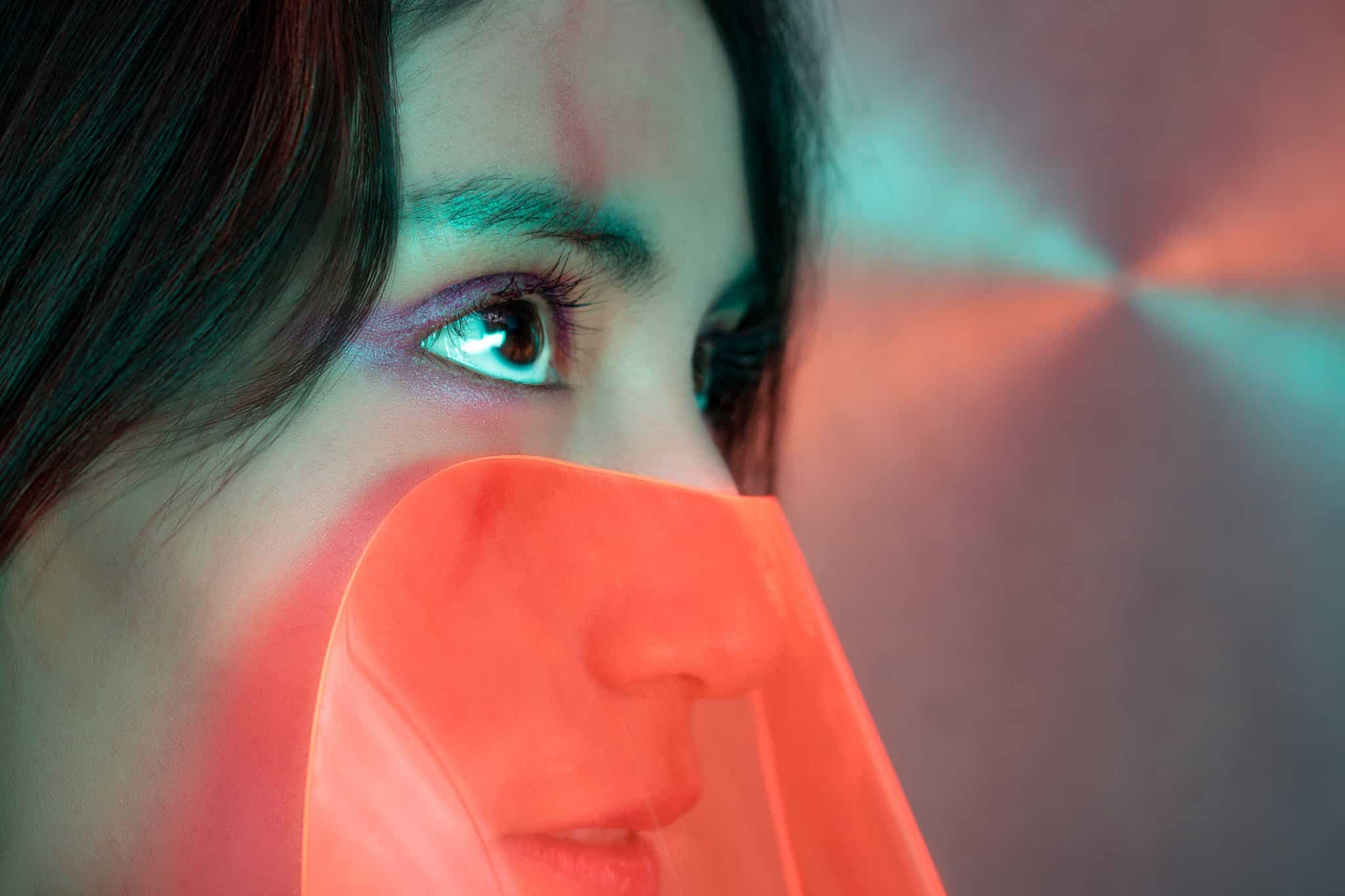
Red light masks are designed to support different skincare goals. Their results can vary depending on the device and the person using it.
1. Supporting a Smoother-Looking Skin Texture
Some research into red and near-infrared light has explored its relationship with collagen-related activity. Collagen is a structural protein that helps maintain skin firmness and elasticity. Its natural production changes with age, which can contribute to the development of fine lines and changes in skin texture. A suitable light therapy device may support improvements in the appearance of skin texture over time.
2. Improving the Appearance of Fine Lines
Fine lines are a common concern for people looking to improve their skincare routine. Red light therapy devices are often designed with skin-aging concerns in mind. Regular use according to the manufacturer’s instructions may help support a firmer and smoother-looking complexion.
3. Supporting Overall Skin Appearance
A consistent skincare routine can help maintain a healthy-looking complexion. Some light therapy masks combine different wavelengths to address more than one cosmetic concern. For example, red light is commonly associated with skin-aging routines, while blue light devices are often marketed for blemish-related concerns.
4. Making Skincare More Convenient
One practical advantage of at-home masks is convenience. Users can complete a session at home without arranging a separate appointment. Wireless designs can make the process easier to fit into a daily schedule. However, convenience should not be confused with effectiveness.
What Features Should You Consider Before Buying?
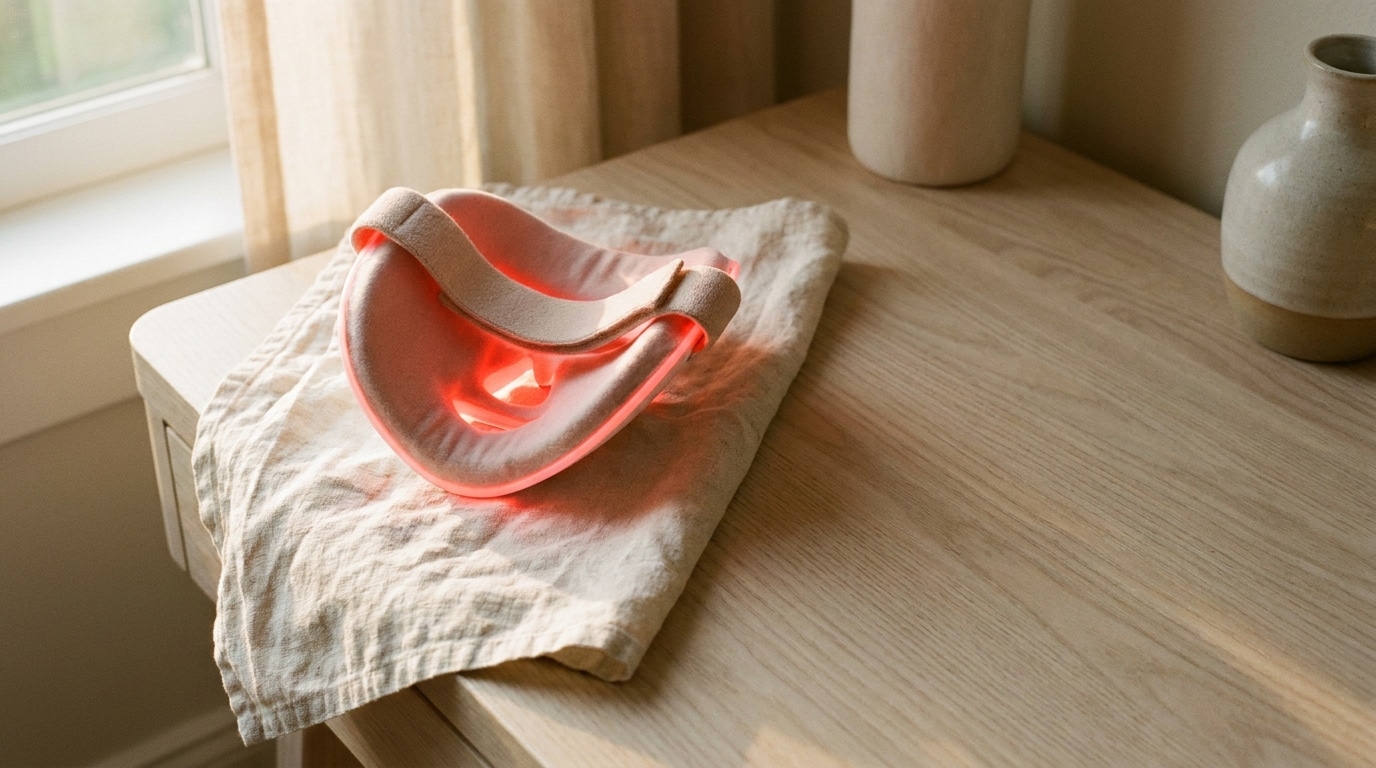
Not every light therapy mask offers the same experience. Comparing a few important specifications can help buyers make a more informed decision.
Wavelength Selection
Wavelengths are measured in nanometers (nm). Red and near-infrared devices may use different wavelength combinations depending on their design.
Before purchasing, check the exact wavelengths included in the device and whether the manufacturer explains which modes use them. A larger wavelength count does not automatically mean better performance.
Light Source and Coverage
Some devices rely entirely on LEDs, while others combine LEDs with additional light sources. Coverage is equally important because a mask should fit comfortably and position its light sources appropriately across the intended treatment areas.
Comfort and Fit
A mask that feels uncomfortable may be difficult to use consistently. Consider its weight, material, straps, support system, and overall shape. Adjustable designs can be useful for different face shapes. Soft materials may also make longer skincare routines more comfortable.
Treatment Modes and Controls
Some masks provide multiple modes for different skincare preferences. Others offer simpler settings.
Look for clear instructions explaining session duration, mode selection, and recommended frequency. Built-in timers and voice guidance can make operation easier.
Exploring Modern Light Therapy Technology
People interested in advanced facial devices may come across products that combine different light technologies instead of relying on conventional LED coverage alone.
For example, the red light mask from INIA features its LaserFusion™ system, which combines focused laser energy with broad LED coverage. The product also lists seven wavelengths, including near-infrared options at 850 nm, 940 nm, and 1064 nm.
Its design includes four targeted light modes, overhead support, voice guidance, and under-eye cooling. These features make it an option worth examining for people comparing more advanced at-home light therapy devices.
How to Use a Red Light Mask in a Skincare Routine
Using a light therapy mask correctly is just as important as choosing one.
Step 1: Clean your face. Start with clean skin and remove makeup, sunscreen, and other surface products unless the device instructions specify otherwise.
Step 2: Check the device. Make sure the mask is charged, clean, and free from visible damage. Review its operating instructions before the first session.
Step 3: Choose the appropriate mode. Select a setting that matches the manufacturer’s guidance and your intended skincare routine.
Step 4: Follow the recommended duration. Do not extend sessions in an attempt to achieve faster results. More exposure does not necessarily mean better outcomes.
Step 5: Continue your regular skincare routine. After treatment, use suitable moisturizers and apply sunscreen during daytime skincare.
Safety Considerations Before Using Light Therapy

At-home light therapy devices are not suitable for every individual or situation. People with photosensitivity, certain skin conditions, or medications that increase sensitivity to light should seek medical advice before using one.
Eye protection is another important consideration. Follow the manufacturer’s instructions regarding eye exposure and protective equipment. Never assume that looking directly at the light source is safe.
Conclusion
A red light mask can be an interesting addition to a modern skincare routine for people exploring at-home light therapy. Understanding wavelengths, coverage, treatment settings, and safety instructions helps buyers avoid choosing a product based only on marketing claims. While research into photobiomodulation continues to develop, individual results depend on several factors, including device specifications and consistent use.
Before purchasing, compare the available features and consider whether they match your skincare goals. A well-informed choice, combined with basic skincare habits and realistic expectations, can make the overall experience more practical and rewarding.
FAQs
How Often Should a Red Light Mask Be Used?
Usage frequency depends on the device. Follow its recommended schedule instead of applying a general routine to every model.
Can a Red Light Mask Replace a Skincare Routine?
No. It should complement basic skincare practices such as cleansing, moisturizing, and daily sun protection.
Are All Red Light Masks the Same?
No. They differ in wavelengths, light sources, coverage, treatment modes, comfort, and operating instructions.
Does a Red Light Mask Provide Immediate Results?
No guaranteed immediate results should be expected. Any visible changes may take consistent use over time and vary between individuals.