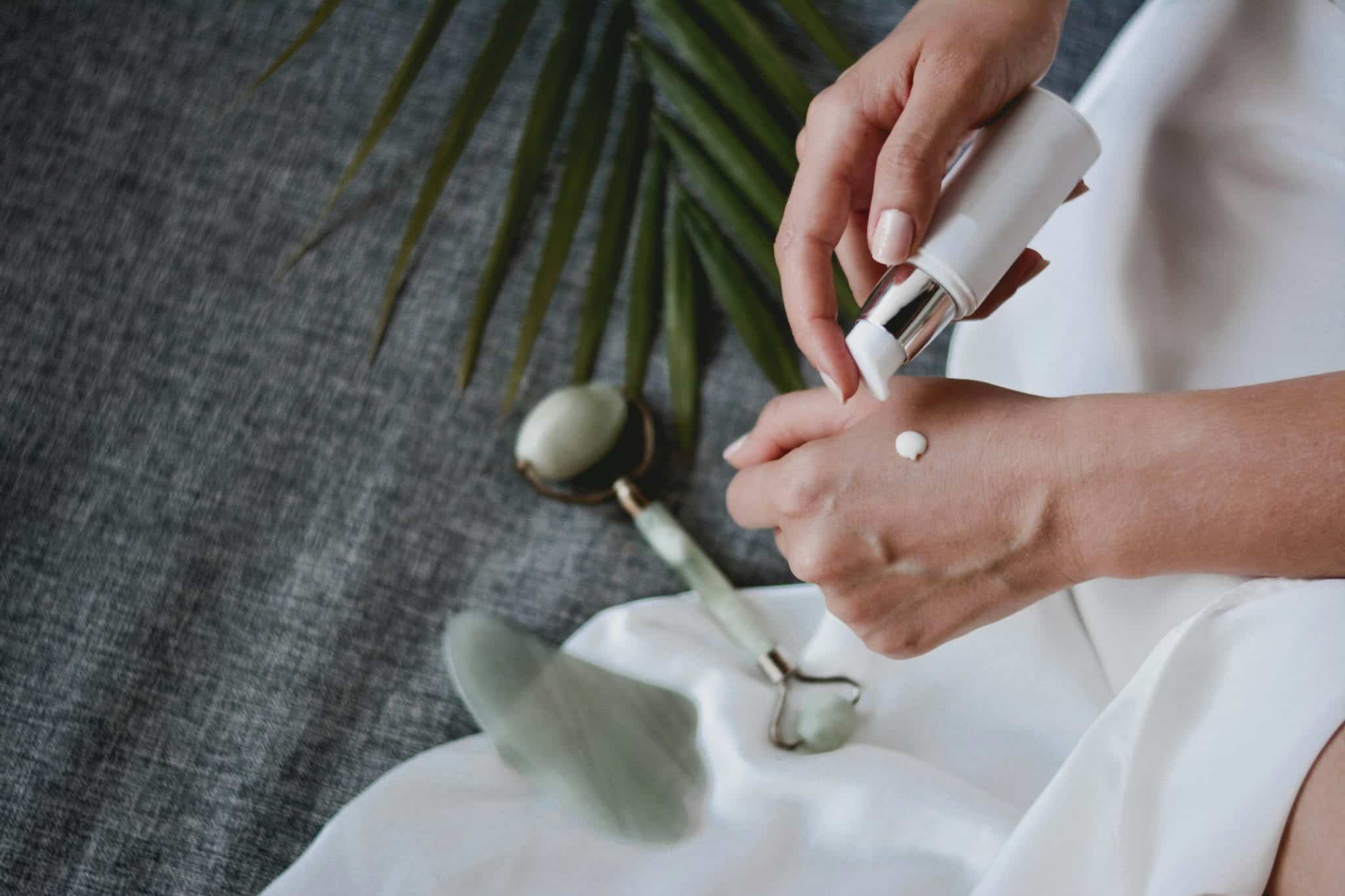
A serum and a moisturizer perform different jobs, even when both support smoother, healthier-looking skin. A serum delivers concentrated ingredients for concerns such as dryness, uneven tone, or visible lines. A moisturizer adds hydration and helps reduce water loss at the skin’s surface. Knowing how each product works makes routine planning easier, prevents unnecessary layering, and helps a person choose products based on skin needs rather than texture alone.
The Difference Between Serum and Moisturizer
Skincare routines work best when each product has a clear purpose. A serum usually contains a higher concentration of targeted ingredients in a lightweight formula, while a moisturizer focuses on hydration and surface comfort. This serum vs. moisturizer comparison explains which step belongs in a routine, how the products work together, and why one cannot always replace the other.
What a Serum Does
A serum delivers concentrated ingredients through a fluid or gel formula. Its ingredients address a defined concern, such as dehydration, dullness, uneven tone, or visible fine lines.
Formulas vary widely, so the ingredient list matters more than the word “serum.” Humectants draw water toward the skin, antioxidants help limit damage from environmental stressors, and exfoliating acids loosen dead surface cells. Each category supports a different skincare goal.
A person with oily or combination skin often prefers a serum because it provides targeted care without a heavy finish. Dry skin also benefits from a serum when dehydration exists beneath surface dryness.
What a Moisturizer Does
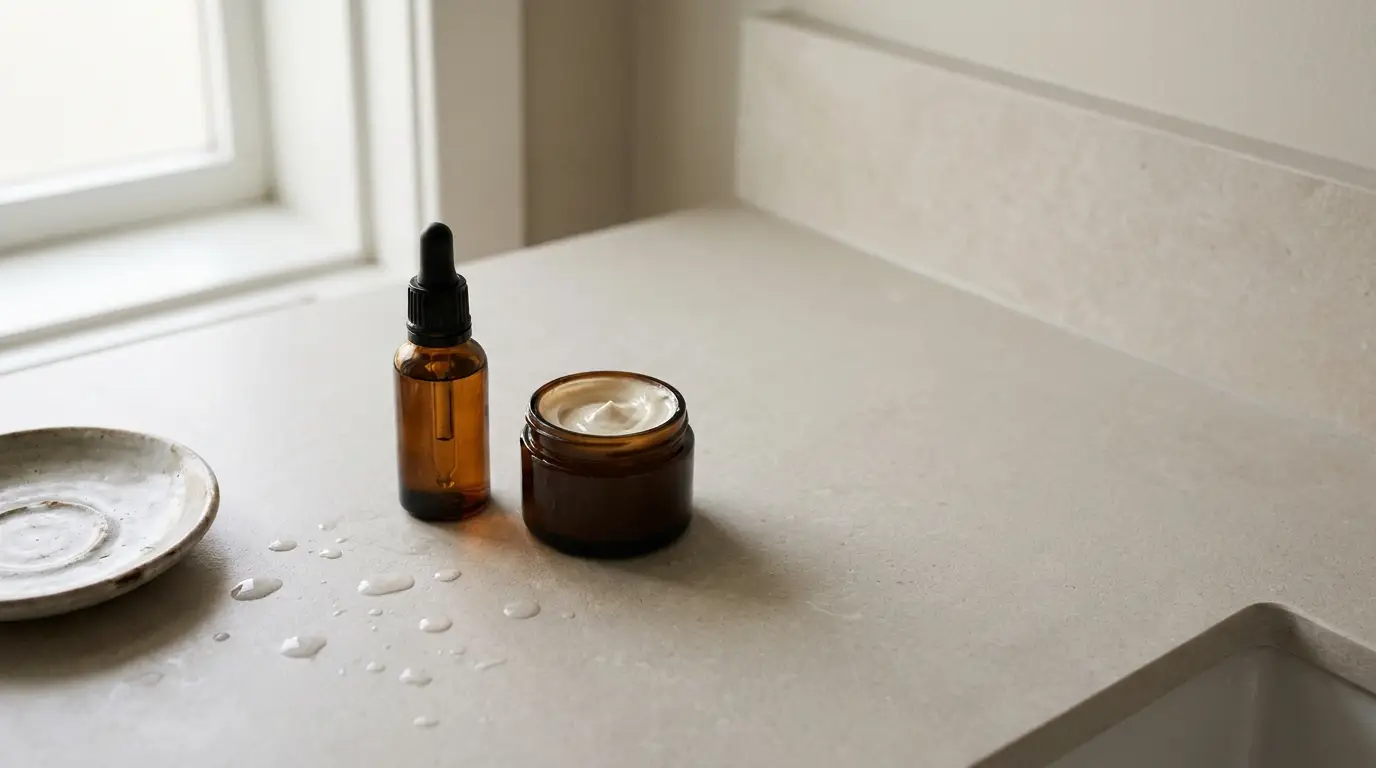
A moisturizer supplies water, softening ingredients, or both. It also helps reduce transepidermal water loss by supporting the skin barrier with occlusive and emollient ingredients.
The right texture depends on skin condition and personal preference. A lightweight cream suits normal to combination skin, while a richer formula supports dry skin that feels tight or rough. Sensitive skin often responds better to a short ingredient list without added fragrance.
A moisturizer stays useful when a serum addresses the primary concern. Without enough surface hydration, the skin can feel uncomfortable and appear less smooth.
When to Use Each Product
Most routines place a serum before a moisturizer. Cleansing removes surface residue, then the serum goes onto clean skin so its formula contacts the skin directly. The moisturizer follows to reduce water loss.
Morning routines can include an antioxidant serum, followed by moisturizer and sunscreen. Evening routines can use a hydrating or treatment serum, followed by moisturizer. Sunscreen remains the final morning skincare step.
A serum is useful when the skin has a defined concern that a basic moisturizer does not address. A moisturizer becomes the priority when skin feels tight, flaky, rough, or easily irritated.
How Skin Type Changes the Choice
Skin type plays a big role in choosing the right skincare products.
Dry Skin
Dry skin usually needs both products. A hydrating serum helps attract water, while a richer moisturizer reduces water loss and improves comfort. Applying both to slightly damp skin supports a smoother finish.
Oily or Combination Skin
Oily skin still needs hydration. A lightweight, water-based serum and a non-greasy moisturizer provide moisture without creating a dense layer. Using too much product can leave the surface feeling heavy, so a small amount is enough.
Sensitive Skin
Sensitive skin benefits from fewer active ingredients and gradual changes. A simple moisturizer should come first if the skin feels irritated. Once the barrier feels comfortable, a gentle serum can address one defined concern.
Common Routine Mistakes
Applying several serums at once increases the chance of irritation and makes results difficult to assess. One targeted serum gives a person a clearer way to judge tolerance.
Skipping moisturizer because a serum feels hydrating creates another common problem. A lightweight serum does not always provide the ingredients needed to reduce water loss.
Using a treatment serum without sunscreen also weakens a morning routine. Daily broad-spectrum sunscreen protects the skin from ultraviolet exposure that contributes to visible signs of aging.
Conclusion
A serum targets a concern, while a moisturizer supports hydration and the skin barrier. Many routines benefit from both, but the order and texture should match the skin’s condition. A person should begin with a gentle moisturizer when irritation or dryness dominates, then add one serum for a defined goal. Applying the serum after cleansing and the moisturizer afterward creates a simple routine that remains easy to evaluate and adjust.