Choosing a mechanical watch takes more than comparing looks or brand recognition. The right choice depends on your daily activities, comfort preferences, durability expectations, accuracy needs, tolerance for maintenance, and budget.
While researching, buyers often run across a wide range of options, from independent makers to long-established names like tudor watches, and it’s tempting to let familiarity do the deciding for you.
A more reliable approach is to judge every model against the same practical criteria, no matter how recognizable its name happens to be. This article lays out a framework suitable for first-time buyers and seasoned owners alike, separating objective specifications from personal style preferences.
Start With Your Daily Requirements
Identify the Watch’s Primary Environment
Think about where the watch will actually spend most of its time: an office desk, a gym bag, an airplane seat, a hiking trail, or a pool. Each setting places different demands on case construction, strap material, legibility, water resistance, and shock protection.
A dress-oriented watch with a thin profile and leather strap might feel perfectly at home in a formal meeting, but it will struggle with frequent outdoor use or regular moisture exposure.
Consider Comfort and Wearability
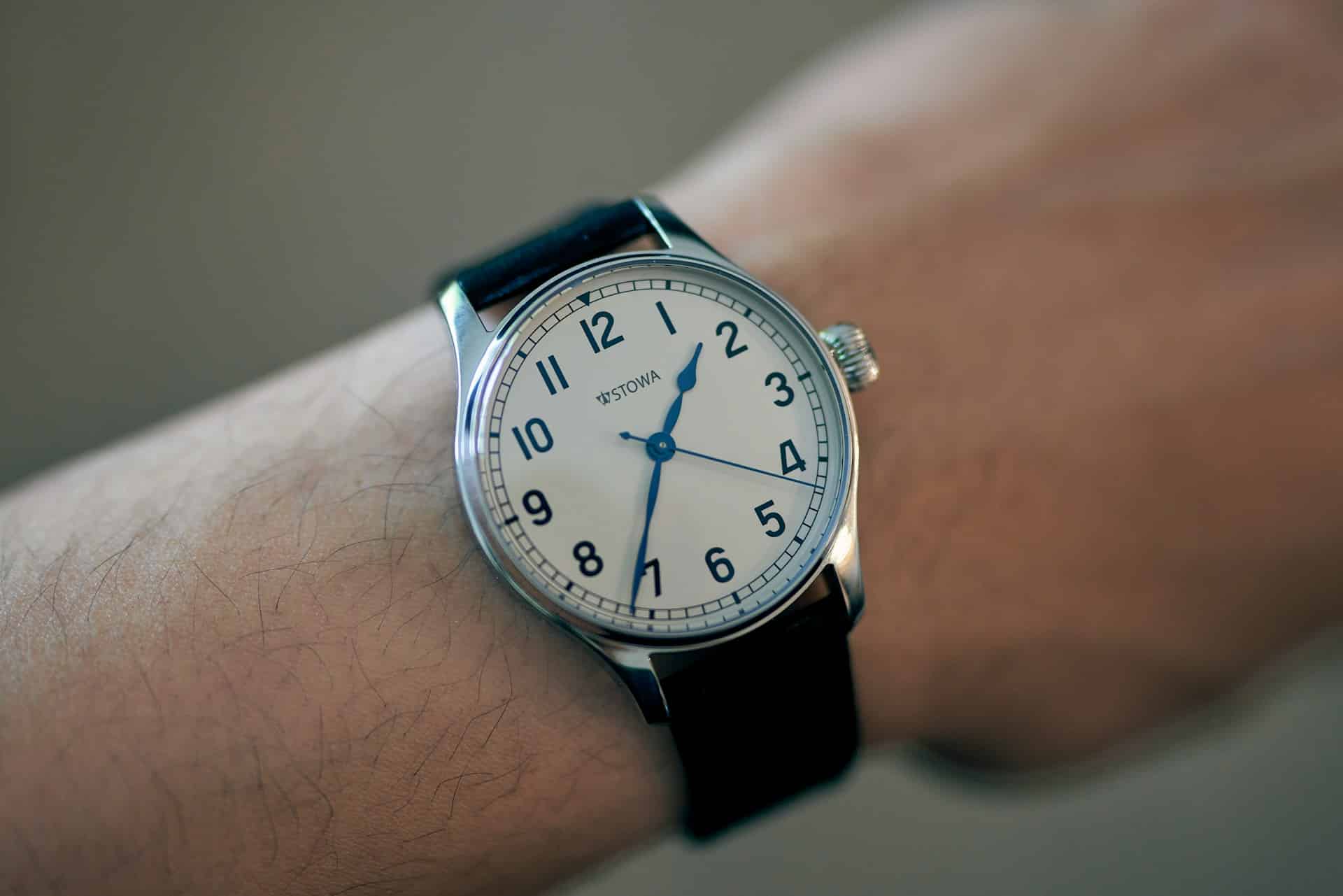
Case dimensions alone don’t tell you how a watch will feel on the wrist. Diameter, thickness, lug-to-lug length, overall weight, and clasp design all work together to shape comfort. A watch with a modest diameter but long lugs can wear noticeably larger than its spec sheet suggests, while a thicker case paired with a well-contoured bracelet can feel surprisingly unobtrusive.
Quick check: Measure your wrist circumference and compare it against the watch’s published lug-to-lug length and thickness. Whenever possible, try the watch on before buying, or at least compare its dimensions to a watch you already own and know well.
Understand the Main Watch Movement Types
Mechanical and Automatic Movements
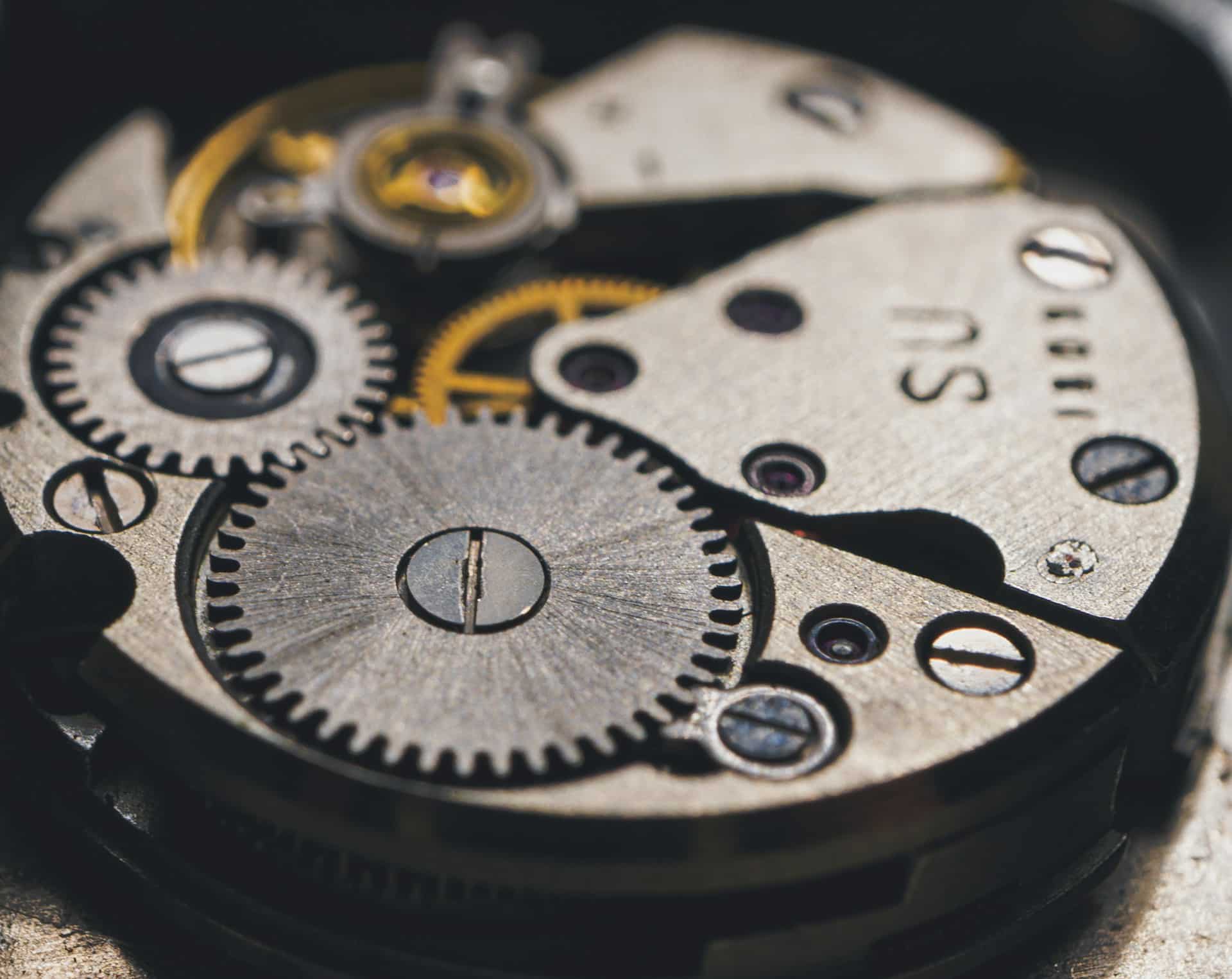
Mechanical watches store energy in a wound mainspring rather than relying on a battery. Movement type generally falls into two categories: manual-winding movements, which need regular winding by hand, and automatic movements, which wind through wrist motion but may still require manual winding if they stop.
Mechanical movements draw many owners in for their craftsmanship and serviceability, though they tend to be more sensitive to shocks, magnetism, and positional changes than their quartz counterparts.
Quartz Movements
Quartz watches are often chosen for their convenience, consistent daily accuracy, and minimal upkeep. Quartz isn’t an inferior technology—it simply serves different priorities. Which movement type suits you best comes down to whether you value the hands-on, mechanical engagement or prefer hands-off reliability.
Evaluate Specifications Without Misreading Them
Accuracy and Certification
Mechanical watches can gain or lose time, and published accuracy figures shift depending on position, temperature, and usage pattern. A certification such as COSC indicates that a movement passed a defined testing standard—specifically, a precision range of -4 to +6 seconds per day over a 15-day testing process—but it doesn’t guarantee identical daily performance for every owner.[3]
Water Resistance
Water resistance ratings describe tested conditions, not a blanket guarantee of safe use at the stated depth under all circumstances. Crowns, pushers, gaskets, and case seals all factor into that rating, and resistance can decline over time due to aging seals, impacts, or careless handling.
Manufacturers commonly advise against operating crowns or pushers while wet or submerged, and recommend periodic water-resistance checks.[2][7] Leather and most textile straps are generally a poor match for repeated water exposure.
Materials and Crystal Types
Stainless steel, titanium, ceramic, precious metals, and coated finishes each bring a different balance of weight, scratch resistance, corrosion resistance, and repairability. Crystal types—mineral, acrylic, and sapphire—trade off scratch resistance against impact resistance, two separate properties worth understanding before you buy.
Verifying these details through manufacturer documentation, rather than taking a retailer’s description at face value, adds a useful layer of confidence to any purchase.
Match the Strap and Bracelet to the Lifestyle
Metal bracelets, leather, rubber, and textile straps each respond differently to heat, humidity, and water exposure, and they vary in how easy they are to clean or replace. The same watch can look notably more casual or more formal depending purely on strap choice. Before buying a watch with an unusual lug width or a proprietary attachment system, think about how easily you’ll be able to source replacement straps down the line.
Estimate the Full Cost of Ownership
Purchase Price Is Only One Expense
Total cost of ownership includes routine servicing, water-resistance testing, strap replacement, insurance, shipping, taxes, and the occasional repair. Service intervals aren’t universal—they vary by movement, manufacturer, and how the watch is actually used. Some manufacturers recommend periodic water-resistance checks alongside scheduled full servicing as part of routine care.[2][9]
Compare Warranty and Service Support
Review warranty duration, which components are covered, any exclusions, authorized service requirements, and international support. A manufacturer’s warranty is not the same thing as a retailer’s return policy, so it pays to understand both. Keep receipts, warranty documents, service history, and original components together for future reference.
Buying From a Reliable Source
A dependable seller typically offers clear reference numbers, honest condition descriptions, stated return terms, secure payment options, and prompt, knowledgeable answers to technical questions.
For pre-owned watches, check that serial and reference numbers line up, look for signs of polishing, inspect movement condition, and review service history—keeping in mind that box and papers alone don’t prove authenticity. For higher-value purchases, independent authentication or a professional inspection is a reasonable precaution. Be wary of pressure tactics or vague claims that can’t be verified.
Practical Decision Framework
- Define the main use and environmental conditions.
- Set a total ownership budget, not just a purchase price.
- Choose the movement type based on convenience versus engagement.
- Compare case dimensions, materials, water resistance, and service support.
- Verify specifications and seller policies.
- Weigh comfort and long-term maintenance before deciding.
Key takeaway: The best watch is the one whose specifications, comfort, maintenance needs, and ownership costs genuinely match the wearer’s routine.
Care Practices That Extend Service Life
Wipe away sweat, moisture, and dirt with a soft cloth on a regular basis. Rinse with fresh water after exposure to salt water or chlorine when the manufacturer allows it, and avoid touching the crown or pushers while the watch is wet.
Condensation under the crystal calls for prompt professional attention—opening the case yourself risks compromising seals and movement components. And remember that water resistance diminishes over time, so it should be checked according to the manufacturer’s recommendations.[1][2]
Final Perspective: Choose for Real Use, Not Just Appearance
The central criteria stay consistent no matter the watch: lifestyle fit, movement type, case dimensions, water resistance, materials, maintenance, seller reliability, and total cost. Specifications deserve to be read in context, not treated as marketing shorthand. Build a short checklist, verify claims through reliable documentation, and prioritize long-term suitability over impulse or brand familiarity.