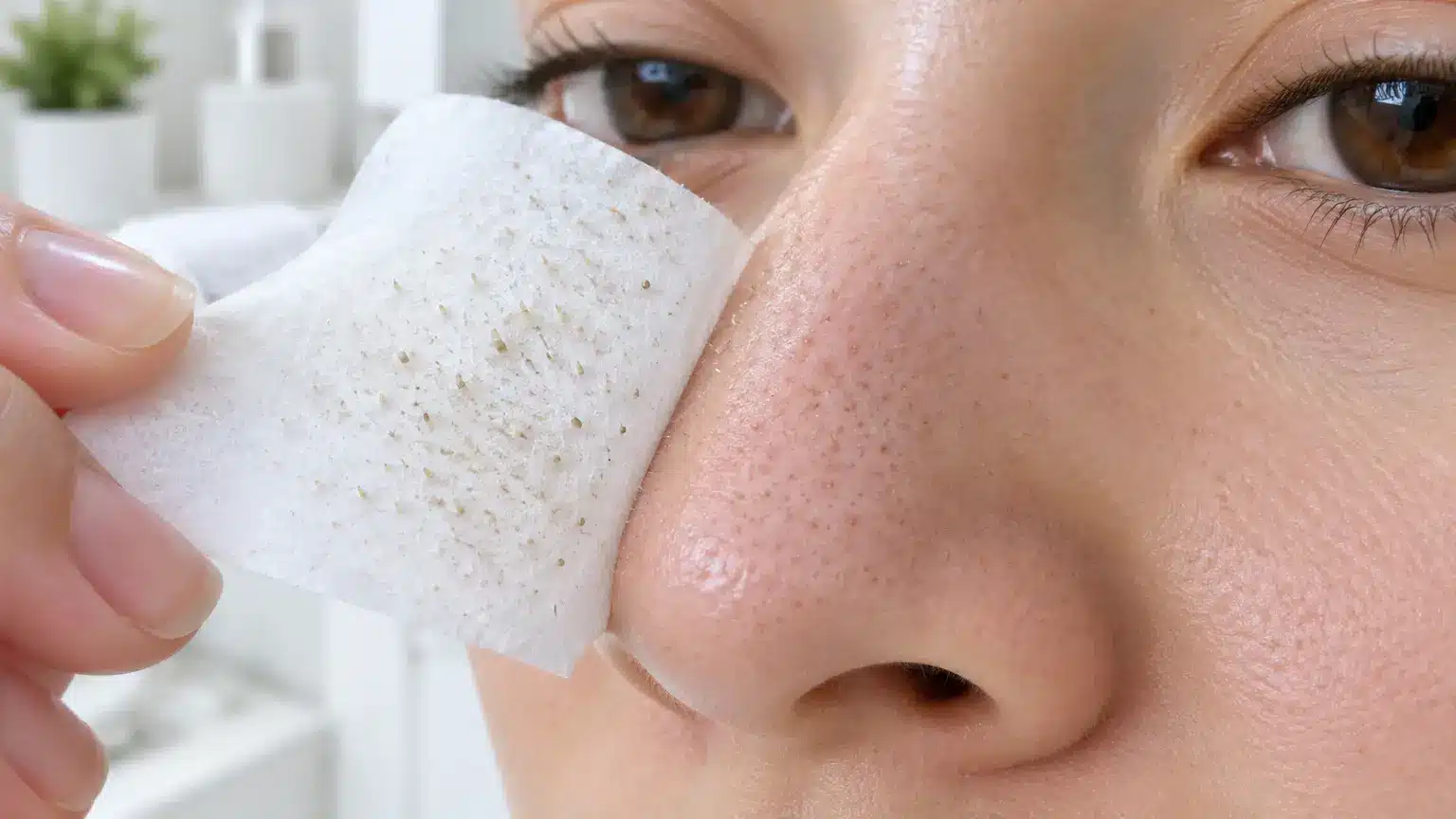
Blackheads are a common skin concern that can make pores appear more noticeable, particularly around the nose. They develop when a hair follicle becomes clogged with oil and dead skin cells. When the material inside the pore is exposed to air, it darkens, creating the characteristic appearance of a blackhead.
Pore strips are a familiar option for people who want to remove visible buildup from the surface of the nose. Products such as Bioré Original Deep Cleansing Pore Strips are designed to adhere to the skin and lift certain impurities when the strip is removed.
Although pore strips can provide an imamediate cosmetic result, they are not a complete solution for clogged pores or acne. Understanding how they work, how to use them properly, and what limitations they have can help you decide whether they belong in your skin care routine.
1. Understand How Pore Strips Work
Pore strips typically contain an adhesive material that attaches to substances on the skin’s surface. After the strip is applied to the nose and allowed to dry according to the product instructions, it can lift some visible material when peeled away.
This may include oil, dead skin cells, and material from certain clogged pores. The result can make the nose appear temporarily cleaner or smoother.
However, pore strips do not pull out every impurity from the skin, nor do they permanently shrink pores. Pore size is influenced by factors such as genetics, oil production, and skin structure.
It is also important to distinguish blackheads from sebaceous filaments. Sebaceous filaments are normal structures that help move oil through pores. They may appear as small grayish or yellowish dots, particularly on the nose, and removing them does not eliminate the structures themselves.
2. Follow the Instructions for Proper Application
Using a pore strip correctly can help reduce the risk of irritation and improve the likelihood of getting the intended result.
For products that require wet skin, the nose must be sufficiently damp for the strip to adhere properly. Follow the directions on the packaging because application requirements may differ between products.
A general application process includes the following steps:
- Cleanse your face with a gentle cleanser to remove surface dirt and excess oil.
- Wet the nose as directed on the product packaging.
- Apply the strip smoothly, ensuring that it makes contact with the intended area.
- Leave it on for the specified amount of time.
- Remove it gently according to the instructions, rather than pulling aggressively.
If the strip feels painful or difficult to remove, do not force it. Follow the product’s guidance for loosening or removing it safely.
3. Avoid Using Pore Strips Too Frequently
It can be tempting to use pore strips whenever blackheads become visible. However, frequent use may irritate the skin, especially if you have a sensitive skin barrier.
Repeated adhesive removal can contribute to redness, dryness, discomfort, and peeling. It may also aggravate existing irritation around the nose.
Rather than relying on pore strips every few days, consider them an occasional cosmetic option. Follow the specific product’s recommended frequency and avoid using them on skin that is already irritated.
If your skin becomes sore, inflamed, or unusually dry after use, stop using the strips until it has recovered. Persistent or severe reactions should be evaluated by a health care professional.
4. Know Which Skin Types Should Be Careful
Pore strips are not suitable for everyone. People with sensitive skin, active acne, eczema, rosacea, sunburn, or broken skin may be more likely to experience irritation.
They should generally be avoided on areas with inflamed pimples, open wounds, or significant peeling. The adhesive may disturb already compromised skin and make discomfort worse.
If you use prescription skin treatments or products that cause dryness and peeling, such as topical retinoids, ask a dermatologist whether adhesive pore strips are appropriate for you.
For those who are unsure, a gentler approach to cleansing and oil management may be more suitable than physically removing material from the skin.
5. Consider Other Ways to Manage Blackheads
Pore strips offer a quick cosmetic effect, but other skin care ingredients may be more useful for managing recurring blackheads.
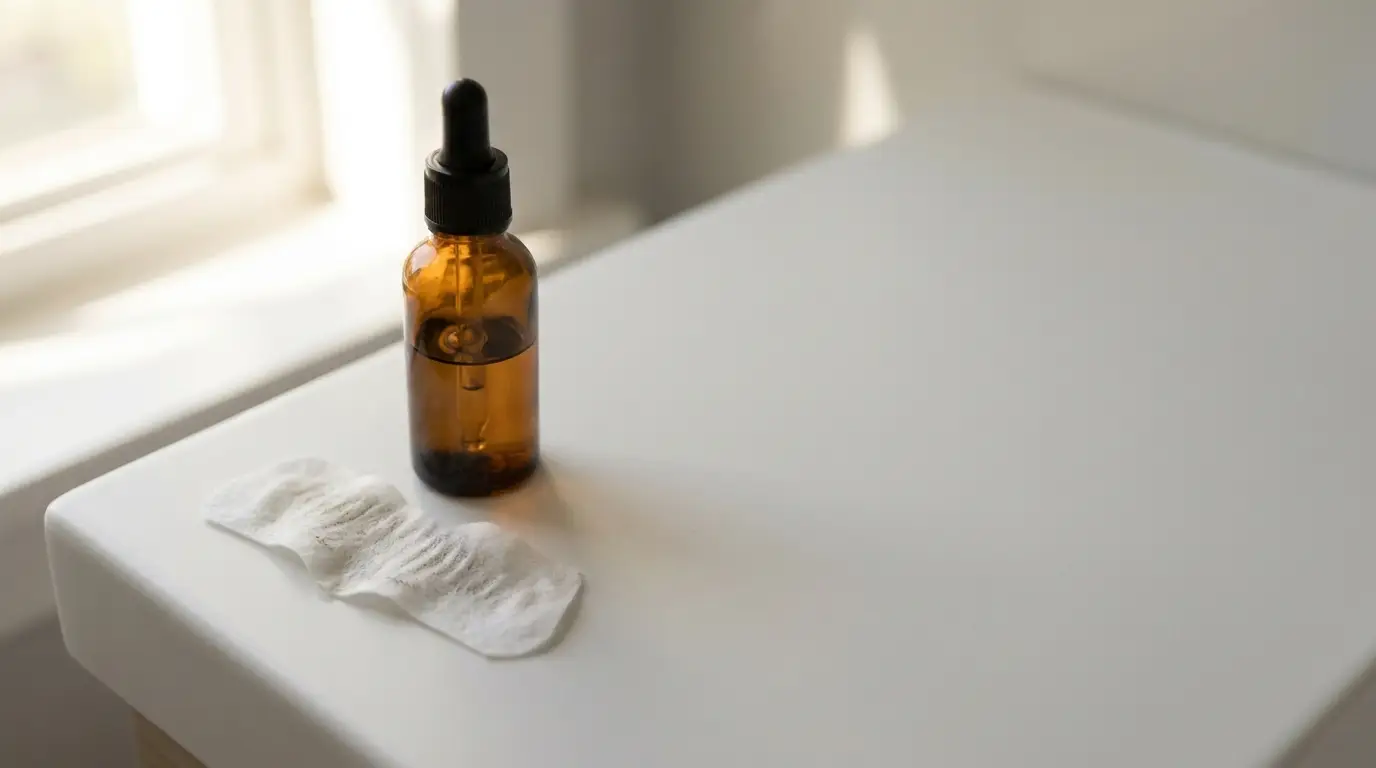
Salicylic Acid
Salicylic acid is a beta hydroxy acid that can help loosen the buildup of dead skin cells within pores. Products containing this ingredient may help reduce clogged pores when used consistently and appropriately.
Start with a suitable formulation and follow its instructions. Using too many exfoliating products at once can lead to irritation.
Retinoids
Topical retinoids help regulate skin cell turnover and are commonly used to manage comedonal acne, including blackheads. Some options are available over the counter, while others require a prescription, depending on the product and location.
They can cause dryness and irritation, so appropriate use and professional guidance may be helpful.
Gentle Cleansing and Moisturizing
Washing your face with a gentle cleanser can remove excess oil and everyday buildup without unnecessary scrubbing. A non-comedogenic moisturizer can help maintain the skin barrier without adding a heavy feeling.
These basic habits can support a routine focused on managing recurring congestion rather than simply removing visible material temporarily.
6. Do Not Expect Pore Strips to Prevent Future Blackheads
One of the most important things to understand about pore strips is that removing visible buildup does not stop the skin from producing oil or dead skin cells.
Blackheads may return because the processes that contribute to clogged pores continue after the strip is removed. This is normal and does not necessarily mean that your cleansing routine is ineffective.
A consistent skin care routine can help manage the underlying factors that contribute to clogged pores. Avoid squeezing blackheads with your fingernails, as excessive pressure can damage the skin and increase the risk of inflammation or scarring.
If blackheads are persistent or accompanied by significant acne, a dermatologist can recommend treatments based on your skin’s needs.
7. Keep Your Expectations Realistic
Pore strips can be appealing because they offer a visible result immediately after use. However, the appearance of material on a removed strip does not indicate how healthy your skin is or whether every pore has been cleared.
Products such as Bioré Original Deep Cleansing Pore Strips are intended for a specific cosmetic purpose. They should not be viewed as a substitute for acne treatment, a complete cleansing routine, or professional skin care advice when needed.
When choosing any pore strip, review the instructions, ingredients, and warnings. Consider the condition of your skin before use, and stop if the product causes discomfort or irritation.
Conclusion
Pore strips can temporarily remove some visible material from clogged pores, making them an option for people who want a quick cosmetic approach to blackheads. However, their effects are limited, and frequent use may irritate the skin.
For longer-term management, gentle cleansing, appropriate moisturizing, and ingredients such as salicylic acid may be more useful. The right approach depends on your skin type, sensitivity, and the nature of your concerns.
By understanding what pore strips can and cannot do, you can make more informed choices and build a skin care routine that prioritizes both appearance and skin health.