Why Heat-Safe Styling Matters
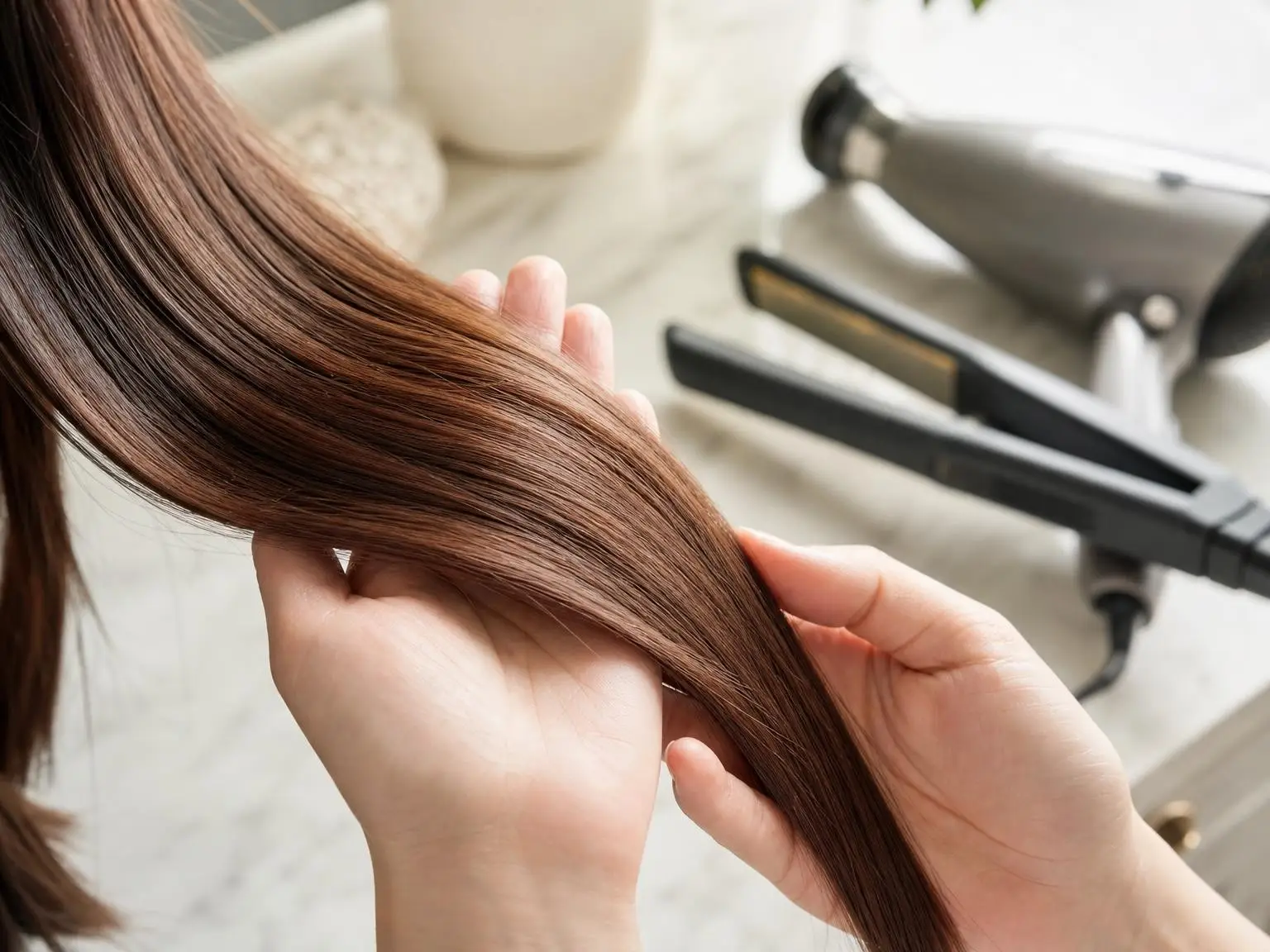
Heat styling can completely change how hair looks and behaves—smoothing frizz, adding body, or creating curls that wouldn’t otherwise hold their shape. A hair straightener is one of the most familiar examples of the heated tools people reach for daily, alongside blow-dryers and curling irons, and each comes with the same basic trade-off: better-looking hair now, but a real risk of dryness, brittleness, split ends, and breakage down the line if overused.
This article focuses on reducing heat exposure, refining technique, and giving hair time to recover—not on claiming that damage can be avoided altogether. Just how vulnerable your hair is depends on things like hair type, any history of chemical processing, density, moisture levels, and how frequently you style. None of this is a substitute for individualized medical advice.
What Heat Does to the Hair
Understanding the Hair Shaft
The visible part of your hair is made mostly of keratin, a structural protein, and unlike skin, it contains no living cells that can biologically repair themselves once damage sets in. Products can smooth the surface temporarily, but they can’t rebuild a shaft that’s already cracked or frayed. Repeated exposure to high heat tends to lift and roughen the outer cuticle layer, which leaves hair feeling drier, coarser, and more prone to snapping.
Why Repeated Exposure Increases Risk
Damage usually builds up over time rather than showing up after one session. Styling often, cranking up the temperature, holding the tool on hair longer, and going over the same section repeatedly all add to that cumulative stress. Hair that’s already been bleached, chemically straightened, relaxed, or colored tends to have a weaker internal structure, so it often needs extra care. Because hair condition and tool design vary so much from person to person, there’s no single temperature setting that’s universally “safe.”
Recognizing Early Signs of Heat Damage
Common warning signs include increased dryness or roughness, a dulling of natural shine, frizz, visibly split or frayed ends, hair snapping when you brush it, and uneven texture or tangles that won’t quit. None of these are exclusive to heat damage, though—chemical treatments, friction, environmental exposure, and underlying health conditions can all play a role too.
It’s also worth distinguishing breakage, which occurs along the hair shaft itself, from hair loss that starts at the scalp and involves shedding from the follicle. If damage seems severe, comes on suddenly, or is paired with scalp irritation or unusual shedding, a dermatologist can help pinpoint the cause.
Check your routine: Think about how often you reach for heat, what temperature you typically use, how long you let hair air-dry before styling, and whether you’re layering heat on top of chemical treatments.
Preparing Hair Before Heat Styling
Most heated irons are built for dry hair only, unless a tool specifically states otherwise, so letting hair partially air-dry before blow-drying can spare it some unnecessary stress. Wet hair stretches more easily and can break during handling, while tightly curled or textured hair often calls for a completely different detangling approach.
Gentle detangling matters just as much. Working from the ends upward with a suitable comb or brush, rather than yanking through knots starting at the roots, cuts down on mechanical stress before heat even enters the picture.
A heat protectant can soften some of the impact of styling tools, but it doesn’t make unlimited high-temperature use risk-free. Following the product’s instructions—particularly how much to apply and whether it’s meant for damp or dry hair—matters more than which specific product you choose.
Safer Heat-Styling Techniques
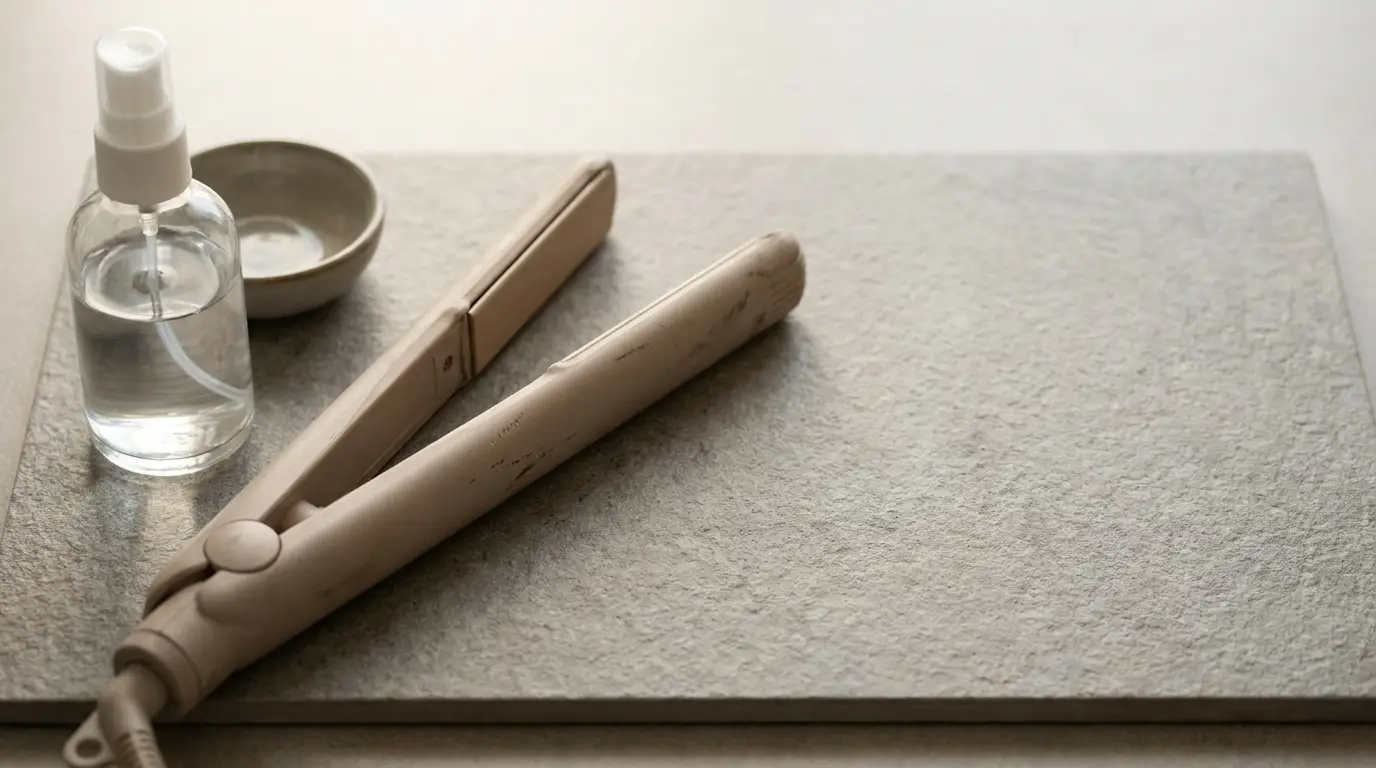
Starting with the lowest setting that actually works, and only bumping it up if needed, is generally smarter than assuming more heat means faster or better results. Many tool manufacturers include safety instructions worth following, though these are no substitute for medical guidance.
Working in manageable sections helps you avoid passing over the same strands again and again, and keeping the tool moving rather than letting it sit still limits how long hair is exposed. Building in heat-free days and air-drying when you can also helps manage the cumulative toll; dermatology guidance commonly suggests cutting back on how often flat irons and blow-dryers get used, though the right frequency really depends on your hair’s condition.
A short safety checklist worth keeping in mind:
- Keep heated tools away from the scalp and skin to avoid burns
- Use heat-resistant surfaces during styling
- Avoid cords that are frayed or tools that are cracked
- Never use heated styling equipment near water
Adjusting the Routine for Different Hair Conditions
Fine or already-damaged hair generally does better with lower heat, shorter exposure, and fewer passes, with air-drying prioritized whenever it’s an option. Thick, coarse, curly, or tightly coiled hair doesn’t necessarily need more heat—what it often needs instead is more careful sectioning, detangling, and tension control.
Chemically treated or color-treated hair, including bleached, relaxed, or permed strands, tends to be more fragile, so cutting back on additional stress and checking in with a stylist or dermatologist when hair turns unusually brittle is a reasonable precaution.
As a rough comparison: someone who straightens their hair daily at a high setting with multiple passes is likely to notice more cumulative roughness over time than someone who styles occasionally at a lower setting with thorough prep beforehand. That’s a general pattern, not a guarantee of what will happen to any one person’s hair.
What to Do When Hair Already Shows Damage
Conditioners and leave-in treatments can temporarily make hair feel softer and more manageable, but they can’t biologically rebuild a shaft that’s already structurally compromised. Cutting back on heat styling while damaged sections grow out, trimming visibly split ends, and handling hair gently while washing and detangling can all help in the meantime.
Trimming improves how the ends look, but it doesn’t undo damage further up the strand. Extensive breakage, scalp pain, inflammation, or unexplained hair loss are good reasons to get a professional opinion rather than trying to fix things at home.
Building a Sustainable Weekly Hair-Care Routine
A simple framework can help: take stock of your hair’s condition, wash and condition based on what it needs, let hair dry partially before styling, apply heat protection as directed, use the lowest effective heat setting, keep contact time short, build in heat-free days, and pay attention to any changes in texture or scalp comfort.
Consistency tends to matter more than having an elaborate lineup of products, and adjusting based on how your own hair responds beats following whatever trend is popular at the moment.
Key takeaways:
- Lower heat is usually preferable to unnecessarily high settings
- Heat protectants reduce risk but don’t eliminate it
- Dry hair and controlled technique matter most for heated irons
- Persistent breakage or hair loss deserves professional attention
Healthier Styling Through Small Adjustments
Safer heat styling isn’t about giving up heated tools altogether—it’s about managing exposure thoughtfully. Styling less often, choosing the lowest heat that gets the job done, avoiding prolonged contact, prepping hair carefully, and allowing time to recover are the most practical steps available.
Consider taking a look at your current routine and changing just one thing first—maybe lowering your tool’s temperature or adding an extra heat-free day each week—before overhauling everything at once.