Mobile apps have fundamentally changed how people across the UK spend spare moments throughout the day, compressing entertainment that once required dedicated sitting into something that fits comfortably into a short bus journey or a coffee break.
The Shift Toward Mobile-First Leisure
This shift toward mobile-first leisure reflects broader changes in daily routines, with commuting time, lunch breaks, and other short pockets of downtime increasingly filled by whatever app happens to be open at that moment. Ofcom’s own research into UK media habits has repeatedly highlighted how central smartphones have become to everyday leisure time, often outpacing television and desktop internet use combined for shorter entertainment sessions.
A Quick Look at the NightWin App
It is worth noting that the NightWin app is better understood as an app-style mobile experience rather than a separate download from Google Play or the App Store. Official NightWin pages state that the platform works through mobile browsers on Android, iOS, tablets, and desktops, with the option to add a home-screen shortcut for quicker access.
That makes it practical for short sessions, because users can open the site from the phone, return to their account, browse games, check payments or contact support without installing extra software.
For everyday use, this fits the way many people already treat mobile entertainment. A user might open NightWin during a quiet evening, between plans or while following sport at home. The value isn’t just portability; it’s also fewer steps: browser access, touch-friendly controls, casino and sportsbook sections, account settings, cashier tools, and support are all in one mobile layout.
With a clear time and spending limit, it works as a flexible leisure option rather than something that needs a long, planned session.
Convenience vs. Self-Control
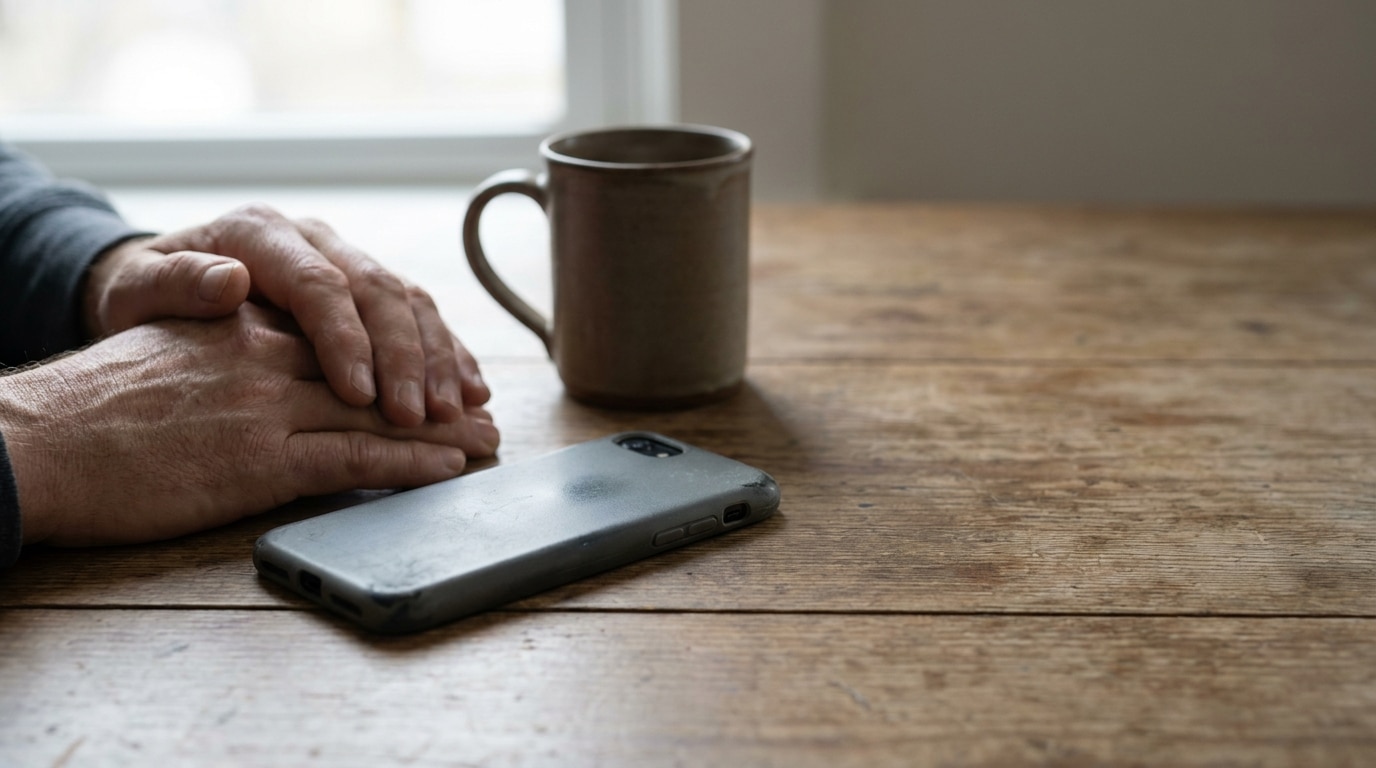
That convenience, though, comes with a genuine trade-off. When entertainment is only ever a single tap away, it takes a bit more conscious effort to keep sessions within a reasonable length, particularly compared to activities that require more deliberate setup, like turning on a game console or leaving the house entirely.
A few practical habits help strike that balance:
- Using built-in screen time or app usage tracking features to stay aware.
- Setting a rough time limit before opening any entertainment app.
- Turning off unnecessary notifications that repeatedly pull attention back.
- Building small breaks into longer sessions rather than continuing uninterrupted.
These small habits can make mobile-first leisure feel like a genuine choice rather than something that happens automatically whenever a spare moment appears.