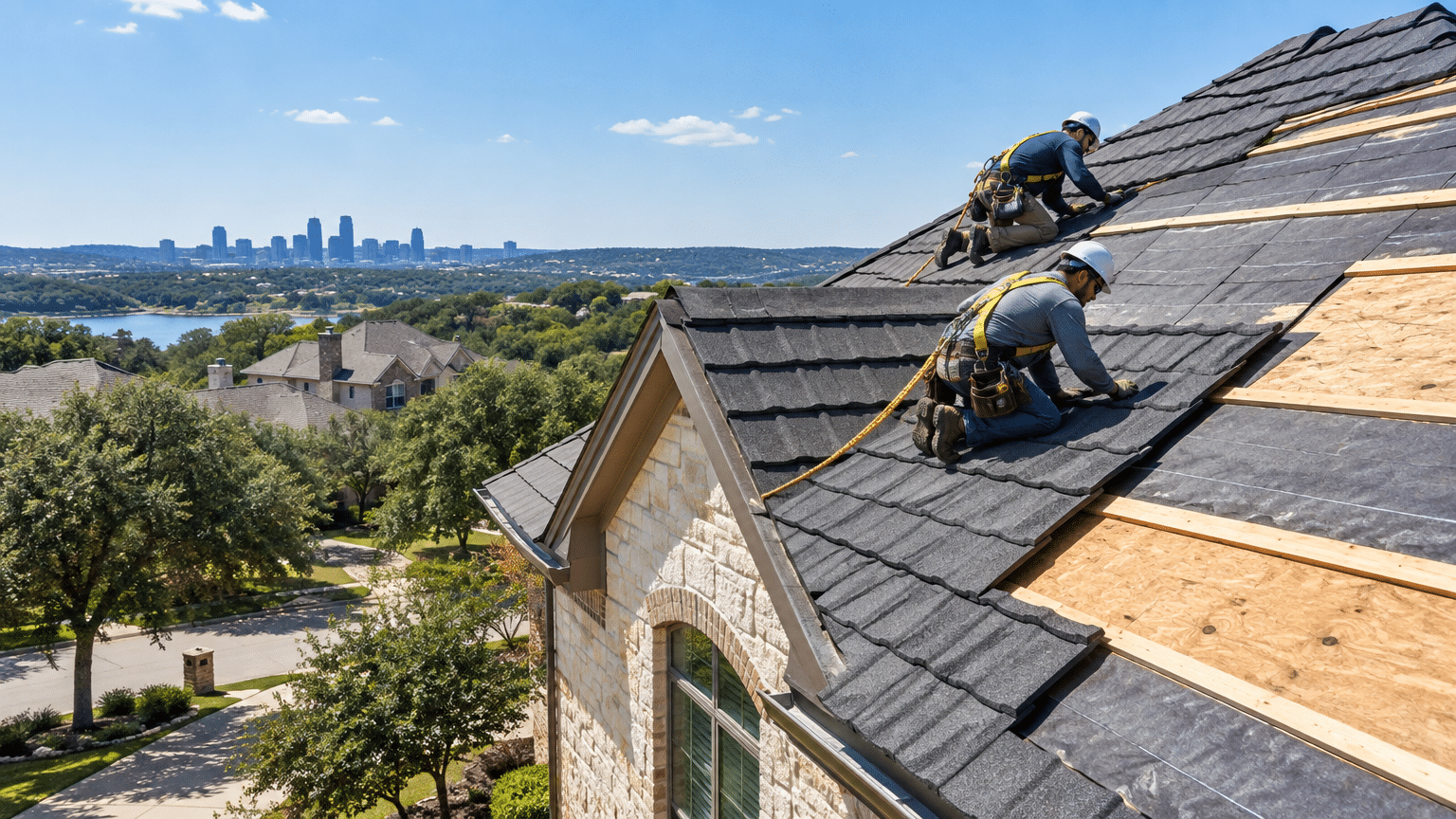
Replacing a roof is one of the most important exterior upgrades a homeowner can make. In Austin, the decision involves more than simply choosing a material that looks good.
Central Texas roofs have to deal with intense summer heat, sudden storms, strong wind, hail, and significant temperature changes throughout the year. These conditions can expose weaknesses in both older roofing systems and poorly planned replacements.
Before starting a roofing project, homeowners should look at the entire system — from structural condition and ventilation to weather resistance and long-term maintenance.
Start With the Condition of the Existing Roof
A roof does not always need to be replaced simply because it is old. At the same time, visible damage is not the only sign that a replacement may be necessary.
Problems may develop beneath the surface, especially around flashing, valleys, vents, penetrations, and areas where water tends to collect.
Homeowners should pay attention to signs such as:
- recurring leaks;
- cracked or missing roofing material;
- sagging sections;
- damaged flashing;
- moisture in the attic;
- repeated repairs after storms.
A professional inspection can help determine whether localized repairs are still reasonable or whether a full replacement would provide better long-term value.
For homeowners already researching
metal roof replacement in Austin, this first assessment is especially important because the condition of the roof deck and supporting structure may influence which new system can be installed.
Think Beyond the Surface Material
Many homeowners focus first on the visible roofing material, but a roof is a complete system.
Its performance depends on several layers working together, including:
- the roof deck;
- underlayment;
- flashing;
- fasteners;
- ventilation;
- drainage;
- edge protection.
A durable outer material cannot compensate for poor installation or weak supporting components.
This is particularly important in Austin, where intense heat can place additional stress on roofing assemblies and where storms may quickly expose small installation defects.
Heat Should Influence the Roofing Decision
Austin summers can be demanding on a roof.
Prolonged heat and strong sunlight can accelerate the aging of some materials, increase surface temperatures, and place additional strain on attic ventilation and insulation.
When replacing a roof, homeowners should consider how the system handles heat over time rather than focusing only on appearance.
Reflective finishes, proper ventilation, and materials that remain stable under prolonged UV exposure can all improve long-term performance.
The roof should also be considered as part of the broader thermal envelope of the house. A well-designed roofing system can help reduce heat transfer and support more consistent indoor comfort.
Hail and Storm Exposure Matter
Hail is another major concern in Central Texas.
The amount of damage caused by a storm depends on many factors, including hail size, wind speed, roof slope, age of the roofing system, and the impact resistance of the material.
Some damage is immediately visible, while other problems may only become noticeable later.
Repeated storm exposure is one reason homeowners should think carefully about durability when planning a replacement. A lower upfront price may not provide the best value if the roof requires frequent repairs after severe weather.
Why Lower Weight Can Be an Advantage
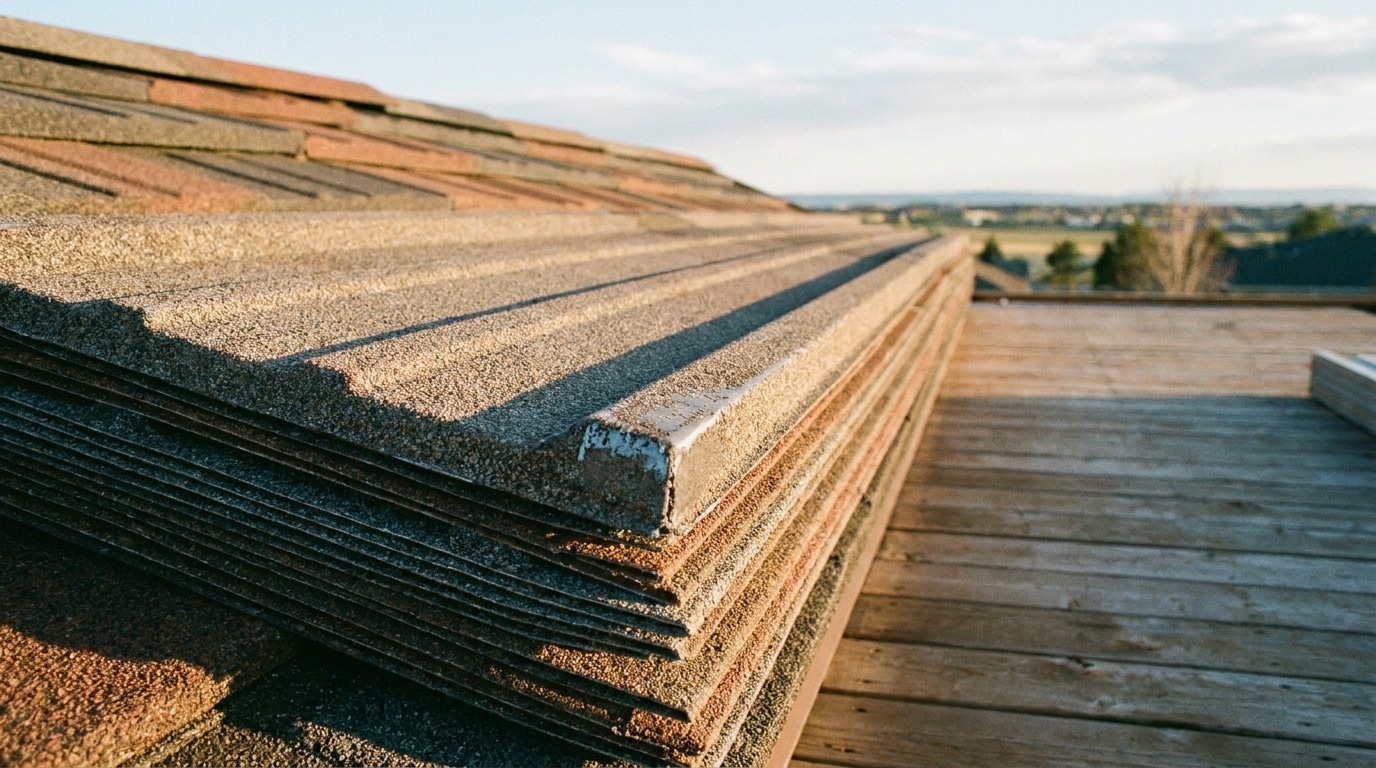
Roofing weight is often overlooked during renovation.
Heavy systems may require additional structural considerations, especially when an older home was not originally designed to support them.
This is one reason
stone-coated steel roofing
can be worth considering for Austin homes.
Stone-coated steel combines a steel base with protective layers and a textured exterior finish. It can create a more traditional appearance while remaining significantly lighter than many clay or concrete roofing systems.
For homeowners who want a dimensional, tile-like appearance without adding substantial structural weight, this can be a practical advantage during renovation.
Wind Resistance Depends on More Than Material
Strong winds do not only test the surface of a roof.
Edges, corners, fasteners, flashing, and attachment points can all become vulnerable when wind pressure increases.
That means wind performance depends heavily on installation quality.
A roof installed with appropriate fastening patterns, properly secured edges, and correctly fitted flashing is more likely to perform well than a system where these details were treated as secondary.
Homeowners should therefore ask contractors not only about the roofing product, but also about how the entire system will be installed for local weather conditions.
Consider the Architecture of the Home
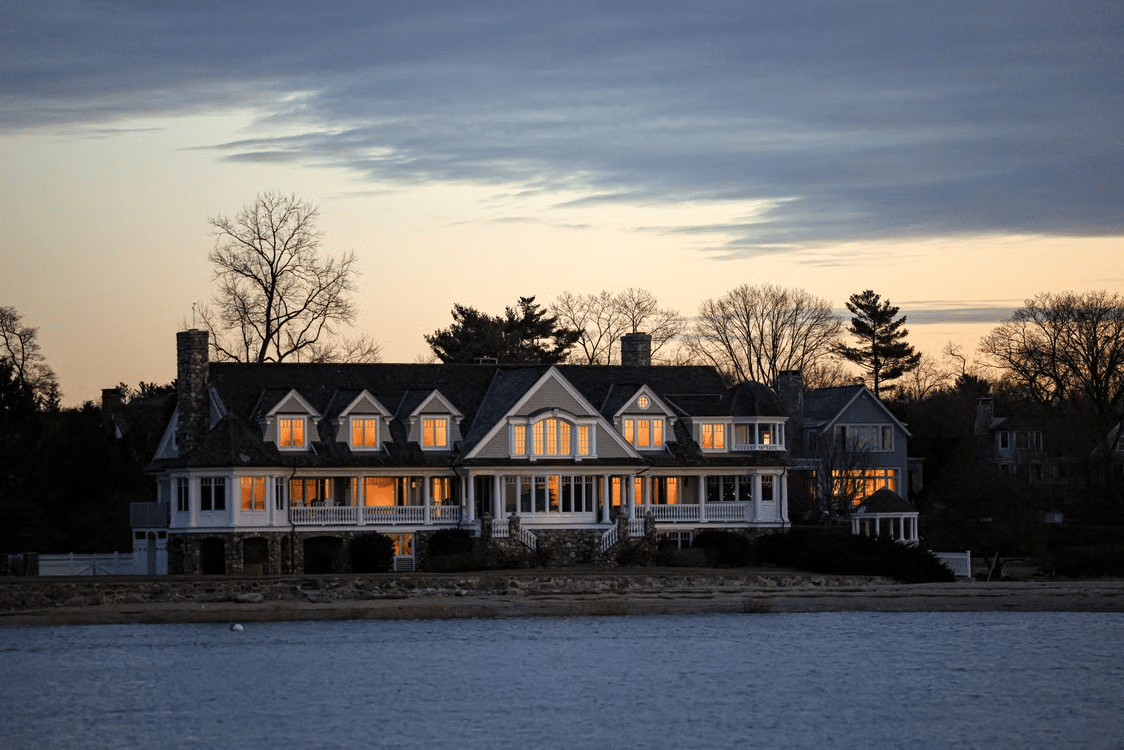
Roof replacement also changes the appearance of a property.
The profile, texture, and color of a roof can affect how the entire exterior feels. A material that works well on a contemporary home may not suit a Mediterranean, ranch, or traditional design in the same way.
Homeowners should consider:
- roof pitch;
- exterior paint;
- stone or brick finishes;
- window and trim colors;
- neighborhood character;
- overall architectural style.
This is especially useful when replacing an older roof with a system that will remain in place for decades.
Look at Long-Term Maintenance
A roof should not be evaluated only by its installation price.
Different systems have different maintenance requirements, and those costs can accumulate over time.
Some roofs may require more frequent repairs, recoating, replacement of individual components, or post-storm inspection.
A system with a higher upfront cost may still provide better value if it requires fewer interventions over its service life.
This is where long-term planning becomes more important than simply choosing the cheapest estimate.
Manufacturer Specifications Matter
Not all roofing products in the same general category perform identically.
Thickness, protective coatings, fastening systems, product testing, warranty terms, and installation requirements can differ significantly.
Homeowners should review manufacturer documentation and confirm that the selected product is appropriate for the intended climate and application.
Companies such asNovatik metal roofing provide modern metal and stone-coated roofing systems designed for residential applications where durability, lower weight, and weather performance are important considerations.
The exact product should still be selected based on the building, roof design, and installation requirements rather than brand name alone.
Final Thoughts
Replacing a roof in Austin is not simply a matter of choosing a new exterior finish.
Heat, hail, wind, structural load, ventilation, installation quality, and long-term maintenance all affect how well a roofing system performs.
Homeowners who evaluate these factors before construction begins are more likely to choose a roof that fits both the property and the local climate.
For many Austin homes, modern metal and stone-coated roofing systems can offer a useful balance of durability, lower weight, weather resistance, and architectural flexibility — particularly when the entire roof assembly is planned as a system rather than as a single material.