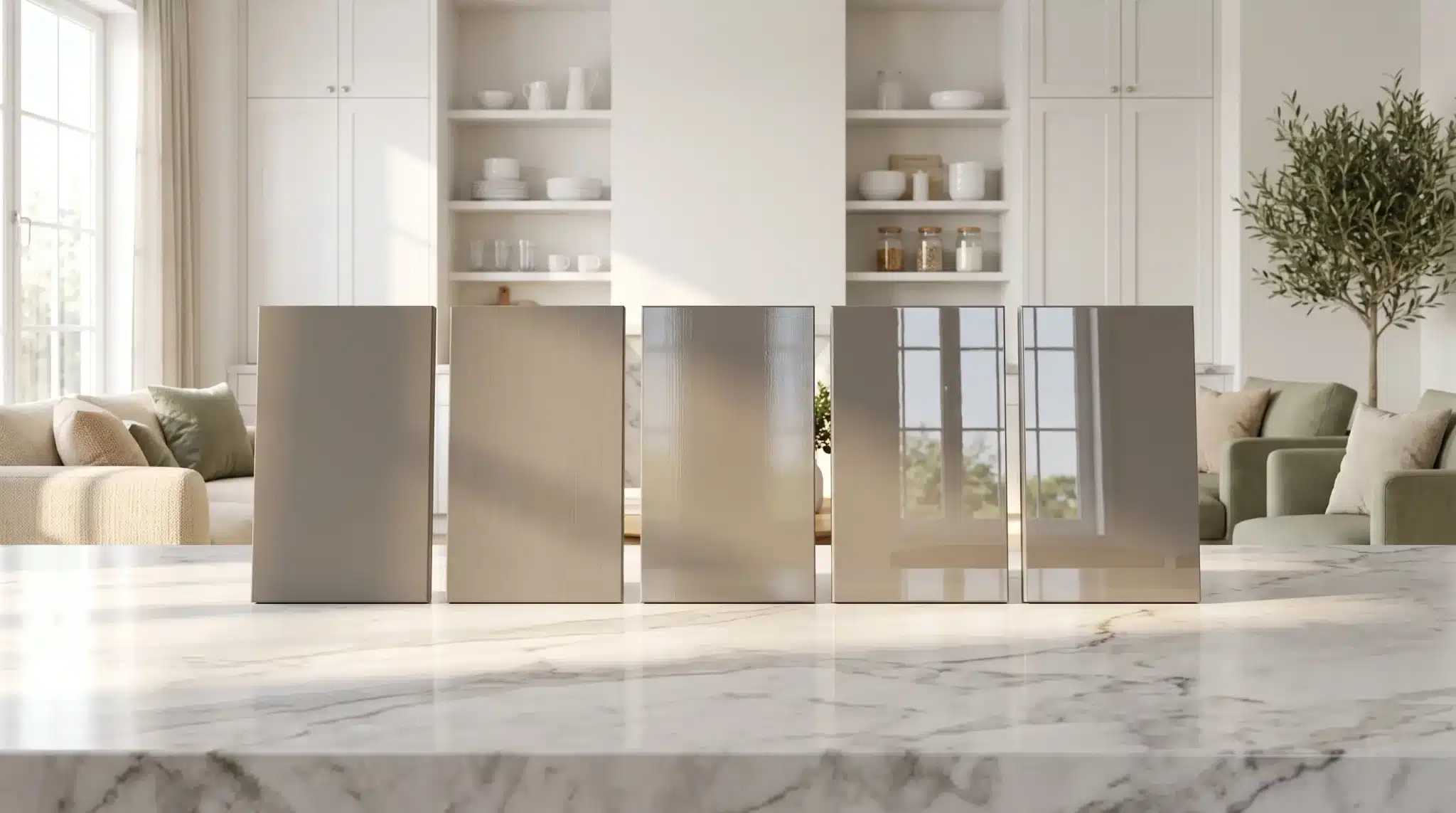
You picked the perfect color, then stood in the paint aisle staring at four nearly identical cans labeled eggshell, satin, semi-gloss, and flat, with no idea which one goes on your living room walls. That confusion costs people real money. The wrong sheen shows every roller mark, chips off baseboards in a year, or makes a small bathroom feel like a cave.
Here is the thing nobody needs to overthink: finish is about function first, looks second. This guide walks you through exactly which finish belongs on which surface, so you can stop second-guessing and start painting.
What Does Paint Sheen Actually Mean?
Sheen is just how much light bounces off a dried paint film. Flat paint scatters light, so it looks matte and hides imperfections. Glossy paint reflects light directly, which makes it durable but brutally honest about every bump and brush stroke underneath. In between sit eggshell, satin, and semi-gloss, each stepping up in both shine and toughness.
Here is the trade-off you are really making. Higher sheen equals easier cleaning and better moisture resistance. Lower sheen equals better hiding power and a softer, more forgiving look.
So your hallway with kids touching the walls needs something shinier than your formal dining room that nobody ever enters. The Energy Star program tracks how much of your home’s conditioned air escapes through under-insulated walls, and the same principle applies to painting: the surface that takes the most abuse is the one that needs the most protection, usually a higher sheen that resists moisture and scuffs.
Still with me? Good. Now let’s get room by room.
Living Rooms and Bedrooms: The Case for Flat and Eggshell
Your living room and bedrooms are low traffic, low moisture, and mostly about looks. This is where flat or eggshell shines, literally less.
Flat paint is the best friend of imperfect walls. Old plaster, patch jobs, texture from previous coats- flat hides all of it. The downside is that it scuffs if you look at it wrong, and cleaning it usually means touching up rather than wiping. I would only use flat on ceilings and on walls in rooms where nobody touches anything.
Eggshell is the sweet spot for most homes. It has a slight, soft glow that reads as neither shiny nor dull, and it survives a damp cloth wipe much better than flat. If you want one finish for your entire main floor, eggshell is the pick. It is forgiving during application too, which matters if you are a weekend warrior with a roller and a prayer.
One thing to know: builders love to slap flat paint on everything because it is cheap and hides their drywall mistakes. That is why new homes feel so sterile. Repainting your bedroom walls in eggshell instantly gives the room more depth without any color change.
Kitchens and Bathrooms: Where Satin and Semi-Gloss Earn Their Keep
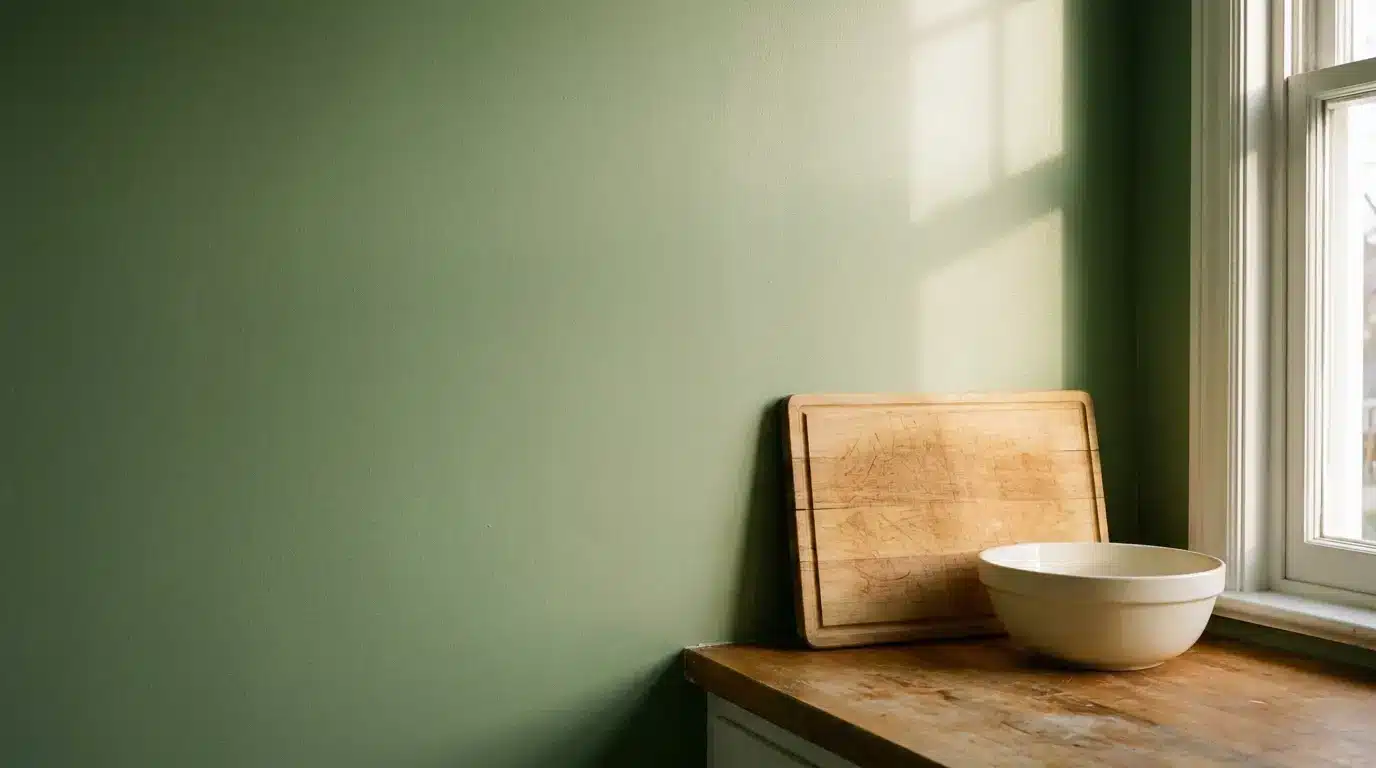
These rooms are wet, greasy, and scrubbed constantly. Flat paint does not survive here, period.
For kitchen walls, go with satin. It handles steam, grease splatter, and cleaning without turning into a fingerprint magnet. The sheen is low enough to stay pleasant but high enough that a sponge can actually do its job on the grime. The area behind the stove, the backsplash zone, gets a lot of airborne oil, and satin is the lowest finish I would trust there.
For bathrooms, I would push you to semi-gloss on the walls, not just the trim. Bathrooms cycle between steam and dry air constantly, which is tough on paint. Semi-gloss resists moisture better and does not develop the mildew spots that flat paint loves to show. The shinier look takes some getting used to, but a bathroom is small, so the gloss reads as clean rather than overwhelming. And the Environmental Protection Agency has long documented that indoor moisture problems lead to mold growth, which is exactly what a properly sealed, glossy paint film helps prevent.
Ceiling in both rooms? Flat, always. You are not scrubbing a ceiling, and the matte finish hides the inevitable uneven roller coverage.
Trim, Doors, and Baseboards: The Semi-Gloss Zone
Everything you grab, push, or kick needs the toughest paint you can buy. OSHA reports that slips, trips, and falls account for a huge share of workplace injuries each year, and the same logic applies at home: the surfaces people touch repeatedly need maximum durability. Doors, baseboards, window frames, and crown molding take the most abuse of any painted surface in your house.
Semi-gloss is the standard for a reason. It dries hard, wipes clean easily, and the slight shine makes the architectural details of your trim actually visible. Flat trim looks like a mistake; it disappears into the wall and collects scuffs that never come out.
If you have kids, do not skip semi-gloss on the baseboards. Crayon, shoe marks, toy scrapes- all of it wipes off semi-gloss with a damp rag. On flat paint, those marks are permanent unless you repaint. That one decision saves you a whole weekend of touch-up work.
Doors in high-traffic areas like the entry or hallway should also be semi-gloss. Interior doors in bedrooms can get away with eggshell if you prefer a softer look, but your main door deserves the tougher finish.
So, What Finish Do You Actually Buy?
If you walked out of this guide remembering just one thing, let it be this simple mapping:
- Flat or eggshell: living rooms, bedrooms, ceilings, low-traffic walls
- Satin: kitchen walls, hallways, kids’ rooms, anywhere that gets wiped down regularly
- Semi-gloss: bathrooms, trim, baseboards, doors, window frames
- High gloss: cabinets, furniture, and the rare statement piece you want to pop
And here is a confession. I repainted my own hallway in satin after using flat for years, and the difference was immediate. The walls stopped showing every backpack brush and dog tail swipe. I should have made that swap a decade ago. That is the thing about finish: it is the difference between a painted room and a room that stays looking painted.
Before you commit to a whole gallon, buy a single quart and paint a two foot square on the wall. Look at it in morning light, afternoon light, and with your lamps on at night. Sheen changes how a color reads, and what looks warm under the store’s fluorescent tubes might look dead flat in your north-facing bedroom. Sample first, then commit.
When you are ready to roll, remember that prep matters more than the finish choice. Patch, sand, and prime properly, and even a mid-range paint will perform. Skip the prep, and even the most expensive semi-gloss will peel. The finish does its job only if the surface under it is sound.
Need a crew that already knows all of this? Working with a professional painting company takes the guesswork out of the whole process, from choosing the right sheen to prepping surfaces so the paint lasts. Handing off the project might cost more than DIY, but it also buys you back every weekend between now and the fall.
So the next time you are standing in the paint aisle, you will not be staring at four identical cans. You will know that your living room wants eggshell, your bathroom wants semi-gloss, and your trim never deserved anything less. Choose the finish for the abuse it will take, not just the color you love, and your walls will thank you for the next decade.