Some jewelry gets tucked away after a night out, while other pieces somehow become part of your everyday look.
I’ve always loved the idea of wearing something so personal I never want to take it off. That is probably why the permanent jewelry trend caught my attention so quickly.
But what is permanent jewelry, and what makes people choose it over a regular bracelet or necklace?
There is something special about a piece designed to stay with you through everyday moments, celebrations, and everything in between.
What is Permanent Jewelry?
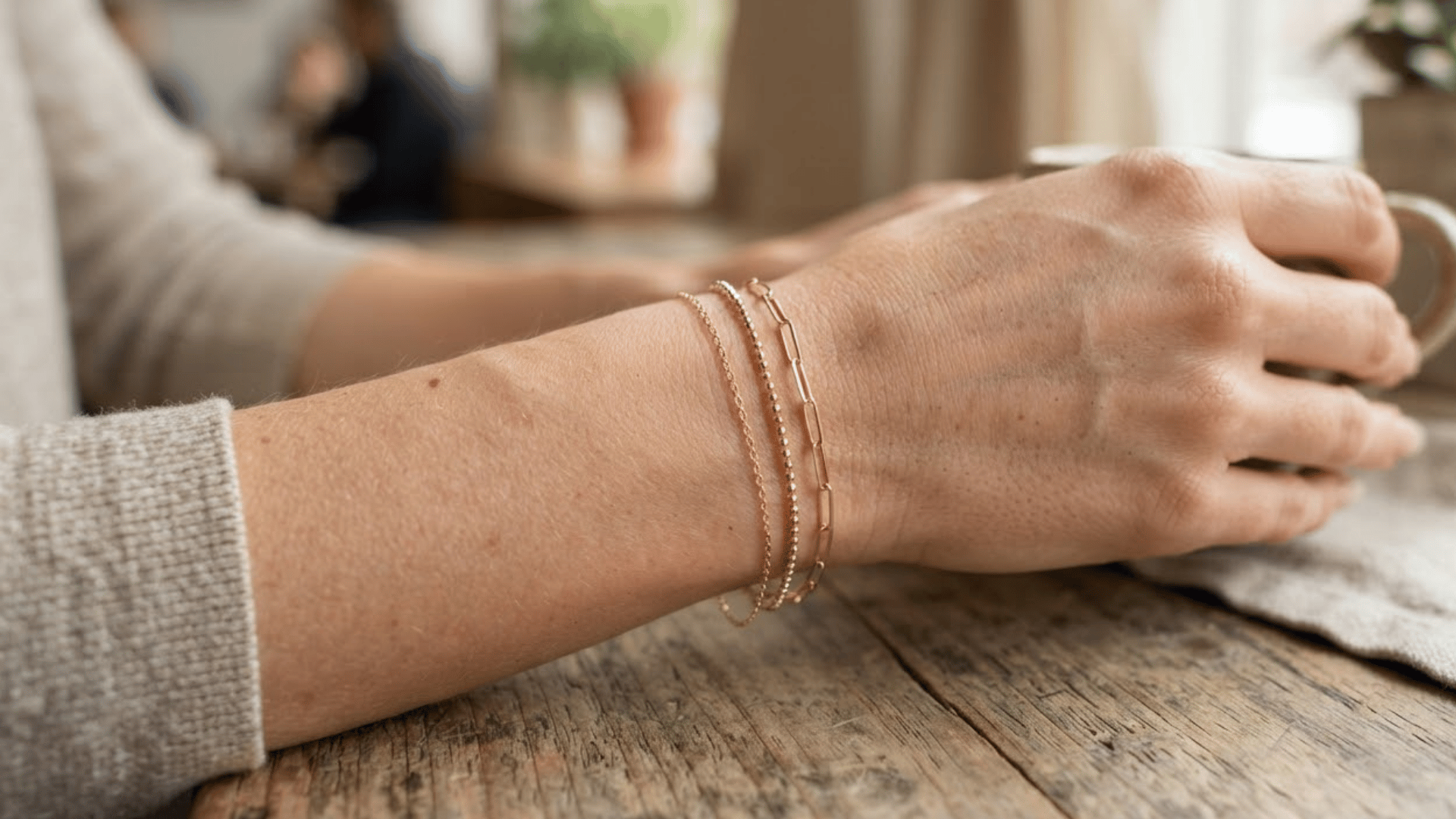
Permanent jewelry is a custom-fitted piece of jewelry designed without a traditional clasp. Instead of fastening and unfastening it, the two ends of the chain are joined together, typically by welding a small connecting ring.
Despite the name, the jewelry is not welded to your body or skin. Only the metal ends of the piece are welded to each other, creating a seamless look around the wrist, ankle, neck, or finger.
Because each piece is measured for the wearer, the fit can be adjusted to sit comfortably and naturally.
How Does Permanent Jewelry Work?
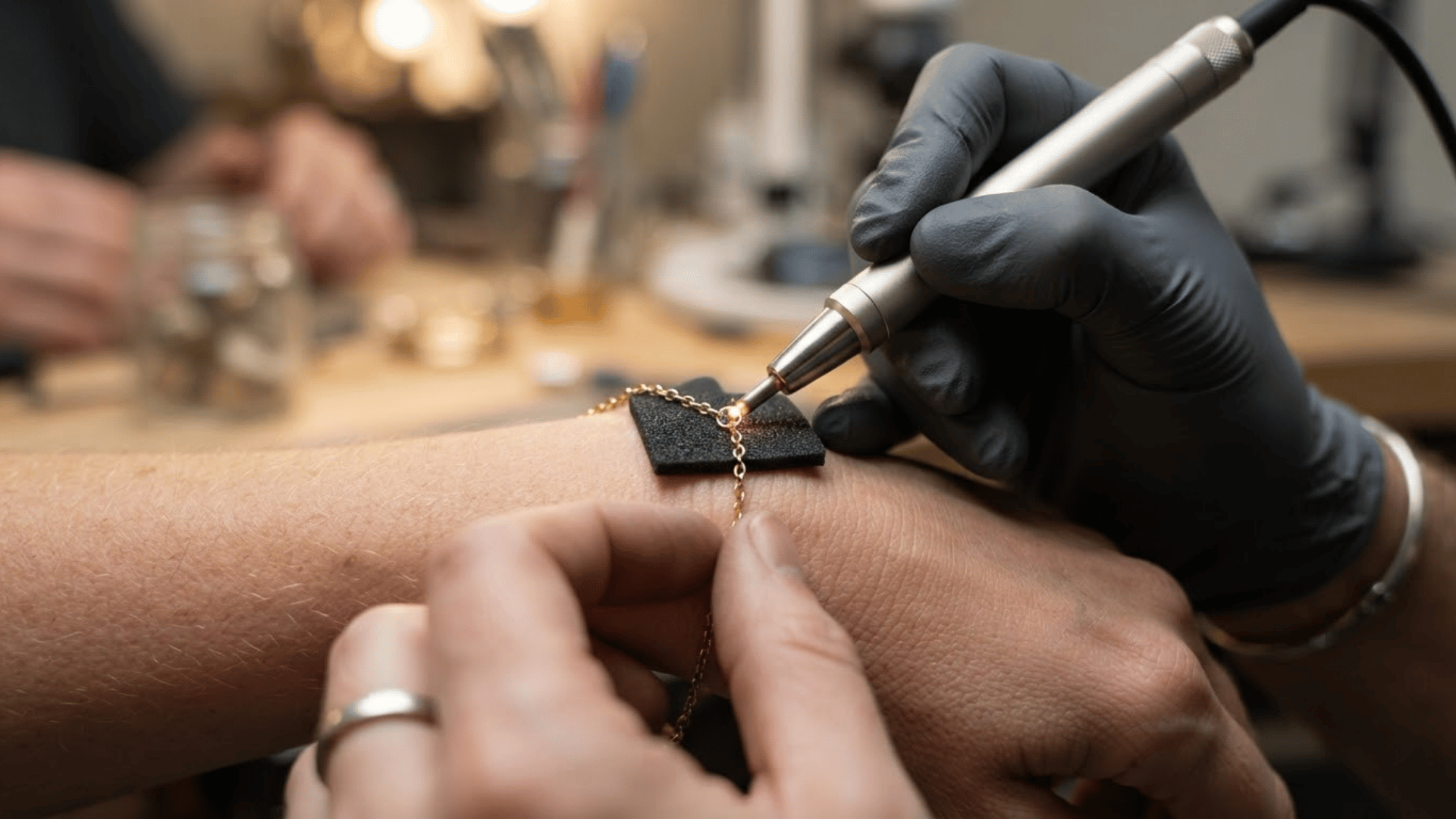
Getting permanent jewelry is usually a short, personalized appointment. Instead of choosing a ready-made piece with a standard length, the chain is fitted specifically for you before the ends are connected.
- Choose Your Chain: Select the chain style and metal you prefer from the available options.
- Find the Right Fit: The jeweler measures the chain around your wrist, ankle, neck, or finger and adjusts the length.
- Add Personal Details: Charms, gemstones, or decorative connectors can be added if you want a customized look.
- Connect the Ends: A small jump ring is used to bring the two ends of the chain together.
- Weld the Ring: The jeweler uses a specialized welding tool to close the connecting ring.
-
Check the Fit: The finished piece is checked to make sure it sits comfortably and looks the way you want.
What Types of Permanent Jewelry Can You Get?

Permanent jewelry comes in several styles, making it easy to choose a piece based on where and how you want to wear it.
- Bracelets: A popular choice for everyday wear, ranging from simple delicate chains to more decorative styles.
- Anklets: Worn around the ankle for a subtle accessory that works especially well with sandals and open footwear.
- Necklaces: Clasp-free chains available in different lengths and styles for a seamless look around the neck.
- Rings: Fine chain rings fitted around the finger for a delicate, minimal appearance.
- Charms and Connectors: Small initials, birthstones, symbols, or decorative pieces can be incorporated for a more personalized design.
What Materials Are Used for Permanent Jewelry?

Permanent jewelry is commonly made from solid gold, gold-filled, and sterling silver, with each metal differing in durability and resistance to tarnishing.
|
Material |
Durability |
Tarnish |
Best For |
|---|---|---|---|
|
Solid Gold |
High |
Low |
Long-term everyday wear |
|
Gold-Filled |
Moderate to high |
Possible over time |
Lower-cost gold appearance |
|
Sterling Silver |
Moderate |
Yes |
Silver-toned everyday jewelry |
How Long Does Permanent Jewelry Last?
Permanent jewelry can last for months or even years, but “permanent” does not mean it is indestructible or guaranteed to last forever. How well a piece holds up depends largely on the jewelry itself and how it is worn.
- Metal quality: Higher-quality metals generally handle continuous wear better.
- Chain thickness: Very fine chains may be more vulnerable to stretching or breaking.
- Daily wear: Frequent friction and physical activity can put stress on the chain.
- Snagging: Catching the jewelry on clothing or objects may weaken or break a link.
- Chemical exposure: Chlorine, cleaning products, and other chemicals can affect certain metals.
If the chain breaks, a jeweler may be able to repair or re-weld it, depending on the damage.
If you’re still deciding between cooler-toned metals, our breakdown of white gold versus silver can help you weigh durability against everyday style
How Much Does Permanent Jewelry Cost?
Permanent jewelry usually costs anywhere from $50 to $400 or more, depending on the metal, chain style, and added details.
Sterling silver and gold-filled pieces tend to be more affordable, while solid gold usually costs more. Charms, gemstones, thicker chains, and longer pieces such as anklets or necklaces can also increase the total price.
Some jewelers may include fitting and welding in the base price, while others charge separately. It is worth comparing materials and services before booking your appointment.
Pricing varies by jeweler, location, metal, and design, so these figures should be treated as general estimates only.
Can Permanent Jewelry Be Removed?
Yes, permanent jewelry can be removed. The chain is typically cut at the small jump ring where the ends were originally joined.
For safe removal, use appropriate jewelry cutters or small scissors if the jeweler confirms they are suitable for the chain, and avoid cutting close to the skin.
Try to cut only the connecting ring rather than the chain itself. Keeping the rest of the piece intact may make it easier for a jeweler to reconnect or re-weld it later if you decide to wear it again.
Pros and Cons of Permanent Jewelry
|
Pros |
Cons |
|---|---|
|
Custom-fitted for a comfortable everyday fit |
Must be cut when you want to remove it |
|
Creates a clean, seamless look without a clasp |
Cannot be switched out as easily as regular jewelry |
|
Can mark friendship milestones or special moments |
May need removal for medical procedures or certain jobs |
|
Can be personalized with charms, gemstones, or connectors |
Sterling silver and some metals may tarnish with wear |
How to Care for Permanent Jewelry
A little regular care can help keep permanent jewelry clean and looking its best during everyday wear.
- Clean it gently: Use mild soap and water to remove sweat, oils, and everyday buildup.
- Rinse away residue: Wash off soap, lotion, sunscreen, and cosmetics that collect around the chain.
- Avoid harsh chemicals: Limit contact with strong cleaning products and other chemicals that may affect the metal.
- Check the links: Look for stretched, bent, or weakened areas, especially after the chain gets caught on something.
- Be mindful when swimming: Chlorine and saltwater can affect metals differently, so follow care recommendations for your specific material.
- Have damage checked: If a link or connection looks weak, have a jeweler inspect it before continuing regular wear.
Is Permanent Jewelry Safe and Does It Hurt?
Permanent jewelry is generally considered safe when applied properly, and the welding itself should not hurt. The welding tool works on the jewelry’s connecting ring rather than your skin, and a protective barrier is typically placed between the chain and your body during the weld.
If you have sensitive skin or known metal allergies, mention them before your appointment.
Choosing a suitable metal and having the piece fitted by a trained professional can help reduce potential irritation or discomfort.
This is general information only. If you have known metal allergies or a skin condition, check with a dermatologist or your jeweler before your appointment.
What to Know Before Getting Permanent Jewelry
Before booking an appointment, think about how permanent jewelry will fit into your everyday routine.
- Consider your daily routine: Think about workplace rules, sports, hobbies, or situations where continuously worn jewelry could be inconvenient.
- Decide how you want it to fit: Choose between a closer fit or a little extra movement before the chain is joined.
- Check the jeweler’s policies: Ask what the appointment includes and what happens if you later need an adjustment or service.
Conclusion
Permanent jewelry feels less like a passing accessory and more like something you choose with intention.
Once you understand what permanent jewelry is, it becomes easier to decide whether the style fits your routine, preferences, and personal taste.
I like that each piece can feel meaningful without being overly complicated. If you are considering getting one, choose a metal and style that feels comfortable enough for everyday wear.
Have you tried permanent jewelry before, or would you consider it? Share your thoughts in the comment section below.
Frequently Asked Questions
Can You Go Through Airport Security With Permanent Jewelry?
Yes, permanent jewelry can generally stay on through U.S. airport security. However, TSA officers may request additional screening if the jewelry triggers an alarm.
Can You Get an MRI With Permanent Jewelry?
It depends on the metal and facility policy. Always tell the MRI technologist about permanent jewelry beforehand and follow their instructions on whether it needs removal.
Can You Shower With Permanent Jewelry?
Yes, you can usually shower with permanent jewelry. Solid gold handles water well, while sterling silver and other metals may tarnish and need regular cleaning.