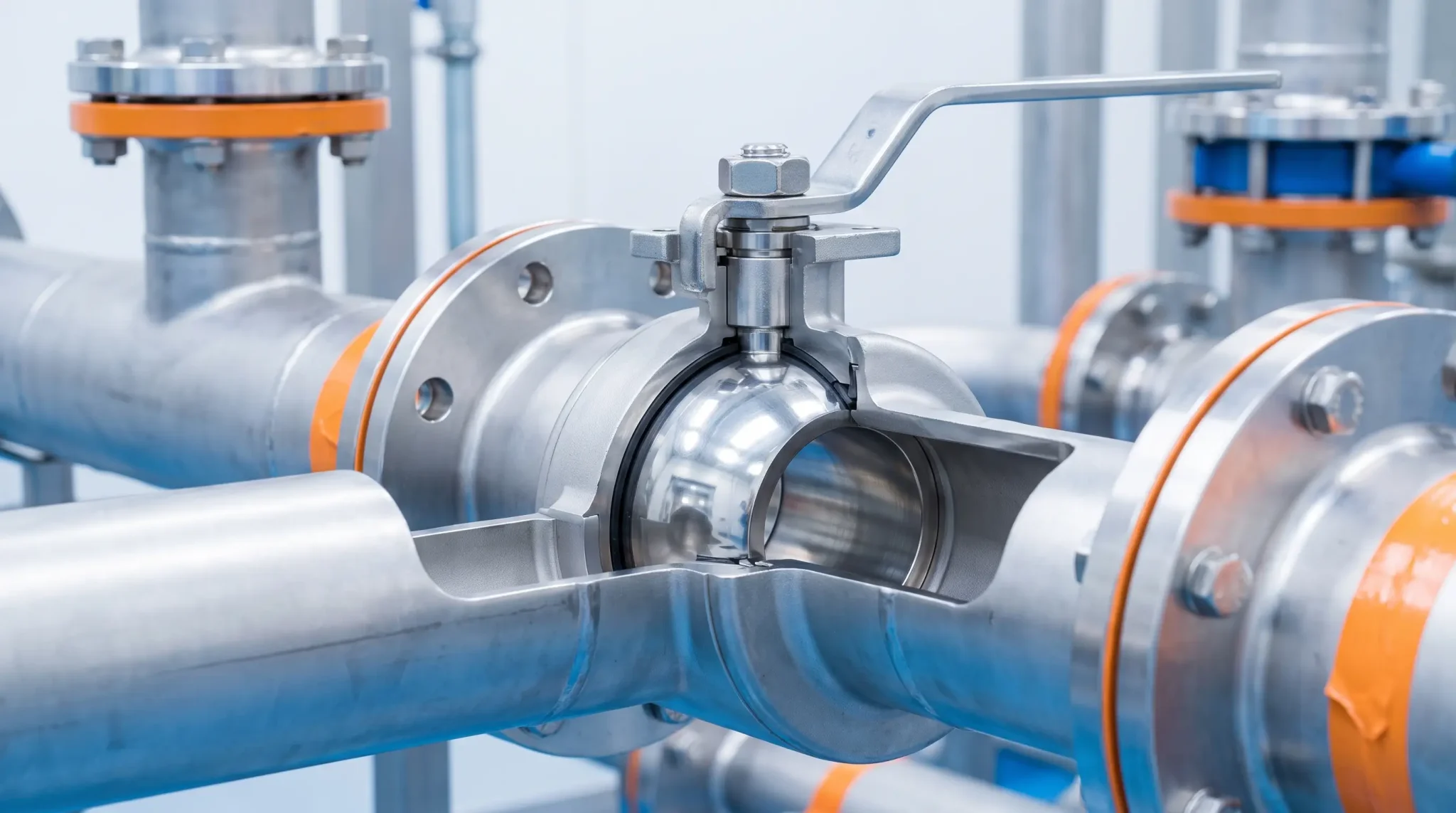
Safe handling of fluids requires equipment which is capable of regulating fluid flow, preventing leaks, and operating within the parameters of the system. Valve operation is important in this respect since valves are useful in controlling the flow of fluids by stopping and starting the flow when required. Ball valves are widely used for this purpose due to their simplicity and dependability.
Reliable Flow Control
One of the key ways that ball valves play a role in safety is the provision of control over the flow of fluids. The internal structure of ball valves contains a rotating ball with an opening. As the operator turns the handle, the ball moves into the desired position to permit or block flow. This makes it easy to shut down segments of a piping network in case of emergencies or repairs.
Reliable shut-off is another factor that can minimize the danger of fluid release. With proper shut-off, a valve forms a barrier between segments of the pipeline, which is extremely important when dealing with such fluids as water, chemicals, gas, and others that may cause equipment malfunctions and hazards.
Pressure Management
There are instances when fluids may be subjected to high pressure, thus making the choice of valves crucial for safe operation. If the right valves are chosen for use, then it will be easy to isolate the fluid systems before commencing any maintenance activities. By shutting off the valves, it will be possible to limit the flow of fluid into the specific components, thereby enabling workers to safely perform their duties.
The choice of the pressure and the structure of the valve must match the demands of the system. Some of the aspects such as type of the fluid, temperature, and pressure may determine what valves to choose. The choice of equipment suitable for the specific system helps reduce chances of premature failure or leakage among other faults.
Material Selection
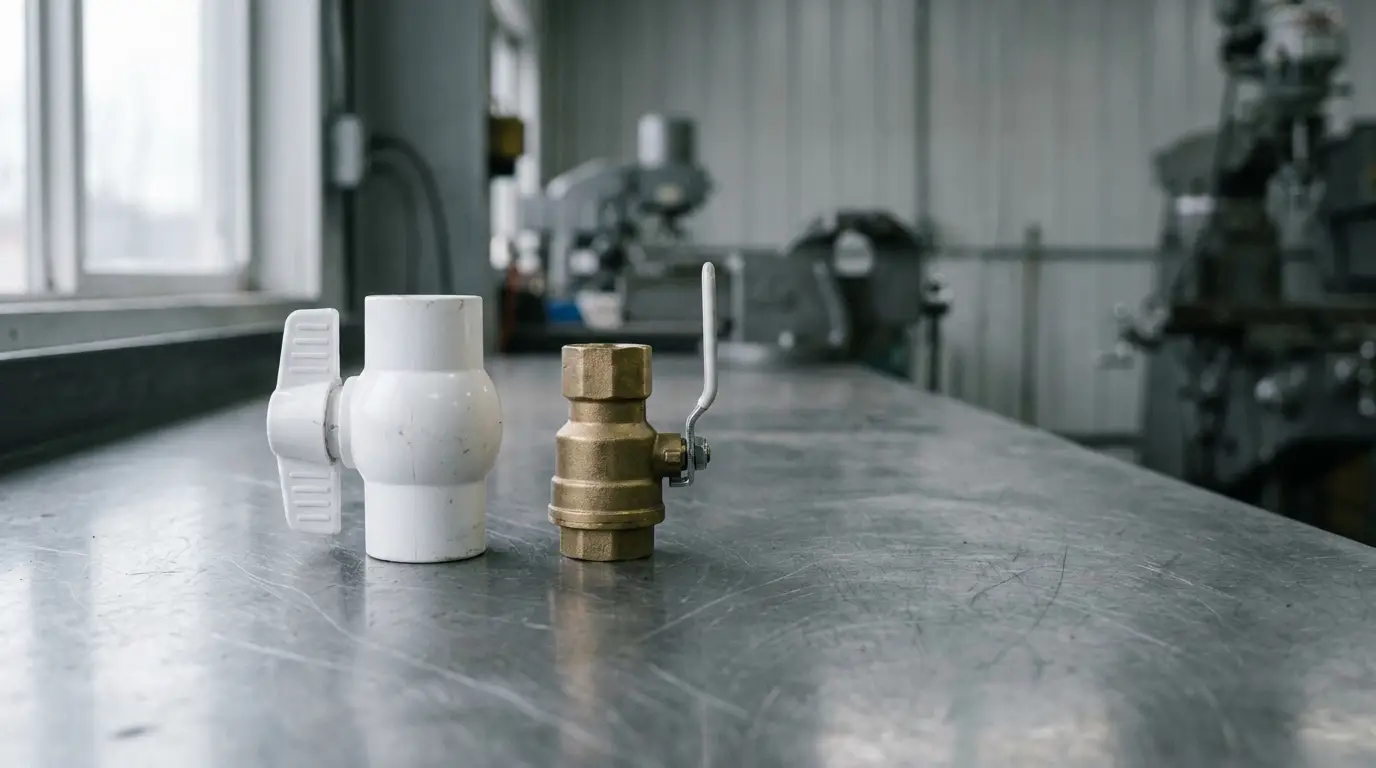
The choice of valve materials can significantly influence the safety of the fluid handling system operation since different fluids may behave differently in contact with metals, plastics, seals, and other materials that are part of the valve design. Therefore, choosing the appropriate material that will be compatible with the fluid will prevent corrosion, deterioration, and leaks.
In some cases, using pvc ball valves is a rational solution as PVC is widely used in piping systems where this material suits the conditions of the process and properties of the fluid. However, such an approach depends not only on the valve but on the application where this valve is supposed to work.
Installation Practices
Another significant consideration in ensuring safe fluid operation is correct installation. An incorrectly installed valve can experience excessive strain or leaking, among others. Installers should adhere to the valve manufacturer’s guidelines to ensure proper installation of the valve with regard to the type of connection, sealing, support, and piping. The valve must also be easily accessible to allow operators to access the valve quickly in the event that flow must be stopped.
The installer should also consider the direction and operational conditions of the total piping system. A valve should not be made to conform to a pipe in which it cannot fit or put under pressure it cannot withstand.
Inspection and Maintenance
Inspection helps to detect potential problem areas before the safety of the system becomes compromised. Inspection by operators can reveal any leaks, damage on handles, corrosion, difficulty of operation, or other indications of problems with the valve. Valves which present difficulties in operation, or which do not have proper shut-off capability need to be evaluated and not left in service.
The frequency and nature of the valve maintenance depends on the type of the valve being used. Proper valve inspection and prompt detection of potential problems will help maintain its reliable functioning. Proper maintenance will ensure that the valve allows the isolation of equipment when needed.
The use of ball valves can assist in increasing safety in fluid operations because they are reliable in terms of shutting off the fluids, enabling isolation as well as operability. The safety of ball valves relies on the use of proper material and pressure ratings, correct installation and maintenance in accordance with the requirements of the system.