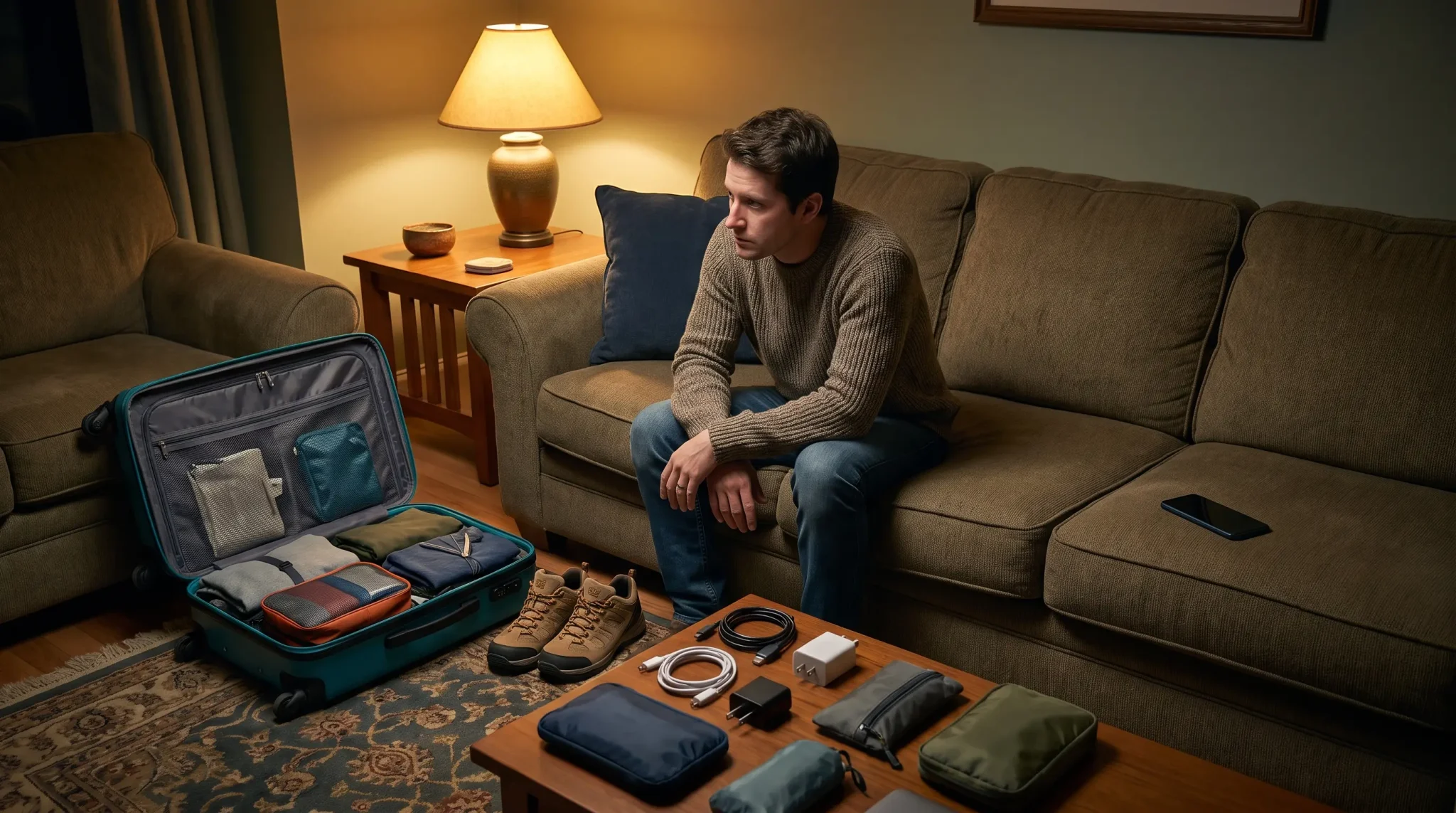
I have a packing list I’ve refined over years of trips: chargers, the right adapter, a spare pair of shoes I’ll definitely regret not bringing if I skip them. But there’s one step that still slips through the cracks almost every time, and it’s not something you can pack. It’s sorting out how my phone is going to work the second I land, instead of realizing at baggage claim that I’m staring at a “no service” icon and a roaming warning I ignored back home.
This time, I finally did it right, and it’s the kind of small fix that ended up saving both money and a fair amount of stress. The move was switching to Orange Travel instead of just letting my phone roam on autopilot.
Why Roaming Quietly Adds Up
Here’s the thing about roaming: it doesn’t feel expensive in the moment, which is exactly the problem. Most U.S. carriers charge somewhere around $10 to $12 a day for international roaming. That sounds manageable until you do the math on a full week away, at which point it’s suddenly $70 to $84 per line, just for the privilege of using your own phone the way you normally would. Compare that to an eSIM plan like Orange Travel’s, where 14 days of data across Europe runs about 16.99 euros, and the difference isn’t subtle.
One Plan, Not Three Problems
What I didn’t expect going in was how much simpler it is to have data, calls, and texts bundled into a single plan. I’ve done the data-only workaround before, where you’re fine for maps and messaging apps but completely stuck the moment you actually need to call a hotel or a restaurant to confirm something. Having everything under one plan meant I never had to think about it twice.
Coverage That Doesn’t Feel Like a Gamble
Orange is one of the major telecom operators in Europe, with direct coverage in 26 countries and access to more than 200 destinations overall through partner networks. That mattered more than I expected once I crossed a border mid-trip and didn’t have to do anything to stay connected. No new plan, no scrambling for a local SIM shop, just a phone that kept working.
Set Up Before You Even Leave the House
The setup itself took less time than picking an in-flight movie, genuinely under five minutes, done from my couch the night before I left. My U.S. SIM stayed active the whole time as a backup, so texts and calls to my actual number still came through, while the eSIM handled everything abroad.
The Small Stuff That Makes or Breaks a Day
It’s easy to underestimate how much a trip depends on staying connected until you’re the one standing on a street corner with a dead map app. Pulling up directions, booking a last-minute train ticket, showing a digital boarding pass, texting a friend to figure out where to meet: none of it is dramatic, but all of it turns a smooth day into a stressful one the moment it stops working.
So if there’s one thing I’d tell past-me before this trip, it’s this: sort out the eSIM before you leave, not after you land. It’s the least exciting item on the packing list, and somehow the one that ends up mattering most.