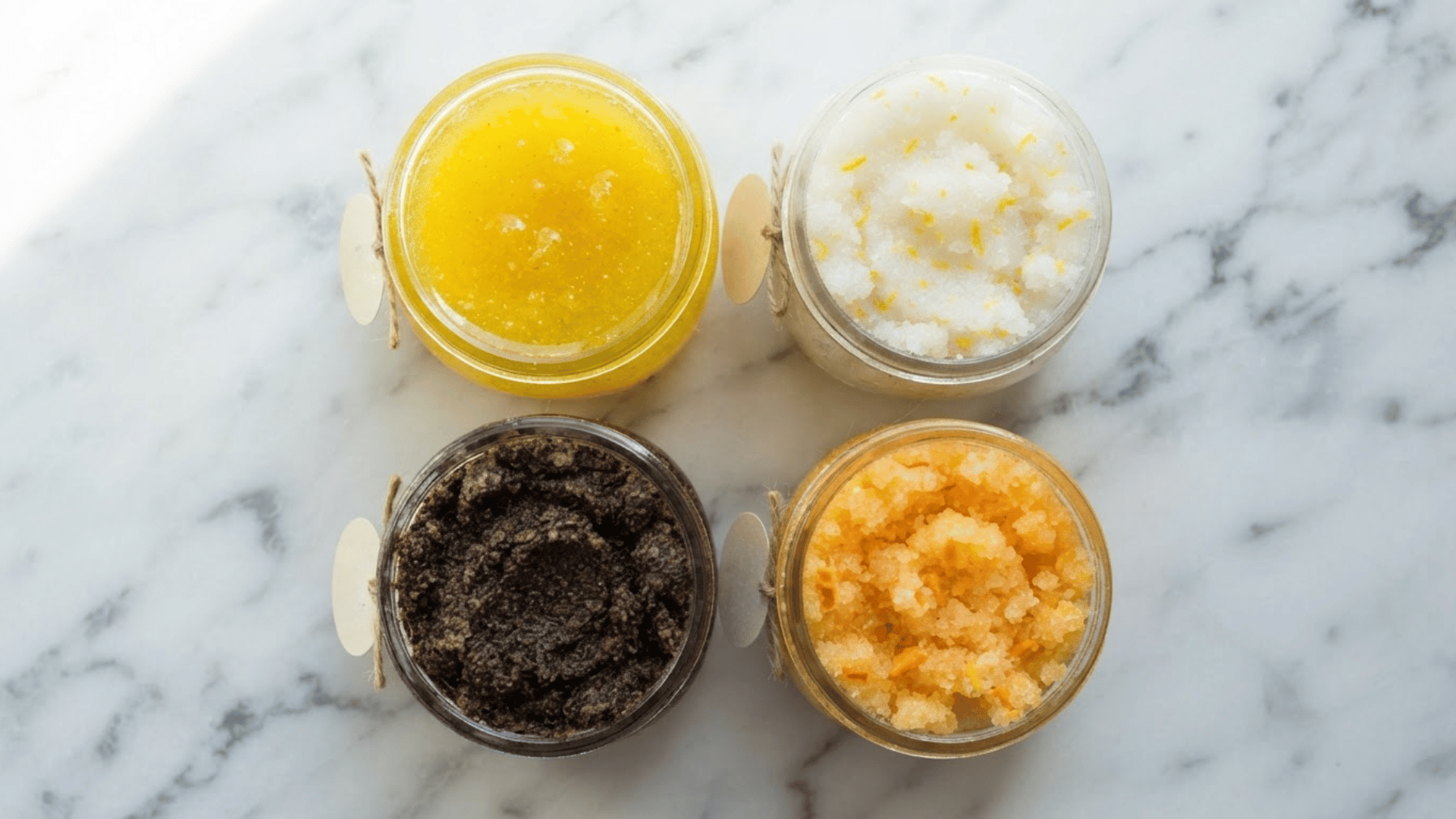
A good body scrub doesn’t need a long ingredient list or a shelf full of expensive products. I love how something as simple as sugar and oil can turn into a useful addition to a regular body-care routine.
Even better, you can adjust the texture and ingredients based on how your skin feels.
If you’ve been searching for how to make a body scrub, the process is surprisingly simple.
A few pantry staples are often enough to get started. From choosing the right exfoliating base to getting the consistency right, small details can make a homemade scrub gentler, smoother, and easier to use.
Key Takeaways
|
|---|
The Basic Body Scrub Formula at a Glance
Every homemade body scrub comes down to the same basic ratio: two parts exfoliant to one part carrier oil, plus an optional add-in for scent or extra moisture.
Start with 1 cup of sugar or salt, stir in about ½ cup of a carrier oil like coconut, jojoba, or sweet almond oil, then mix in a spoonful of honey or a few drops of vanilla if you want it.
Add more oil if the mixture feels dry and crumbly, or more exfoliant if it feels too wet to scoop.
What Are the Benefits of Body Scrubs?
-
Helps remove dead skin cells that can make skin feel rough or dull.
-
Can smooth dry areas such as elbows, knees, and heels.
-
May improve the feel and overall texture of the skin.
-
Helps lift loose flakes from dry skin.
-
Can make body lotion or oil easier to spread evenly.
-
Gentle exfoliation before shaving can help create a smoother skin surface.
Body Scrub Ingredients and What They Do
Different exfoliating ingredients create very different textures. Choosing a base according to the area of the body you plan to exfoliate can help prevent unnecessary irritation.
|
Ingredient |
Main Role |
Best Suited For |
|---|---|---|
|
Brown sugar |
Gentle physical exfoliation |
Dry or more delicate body skin |
|
White sugar |
Moderate exfoliation |
General body use |
|
Fine sea salt |
Stronger exfoliation |
Rough heels, knees, and elbows |
|
Coffee grounds |
Textured physical exfoliation |
Rough-feeling areas |
|
Ground oats |
Softer exfoliation |
Delicate skin |
|
Jojoba oil |
Lightweight carrier |
Most skin types |
|
Coconut oil |
Rich carrier |
Dry body skin |
|
Sweet almond oil |
Smooth carrier |
Normal to dry skin |
|
Honey |
Adds moisture and texture |
Dry-feeling skin |
Homemade Body Scrub Recipes
Once you know the basic sugar-and-oil formula, it is easy to adjust the ingredients to suit different preferences.
1. Coffee Body Scrub
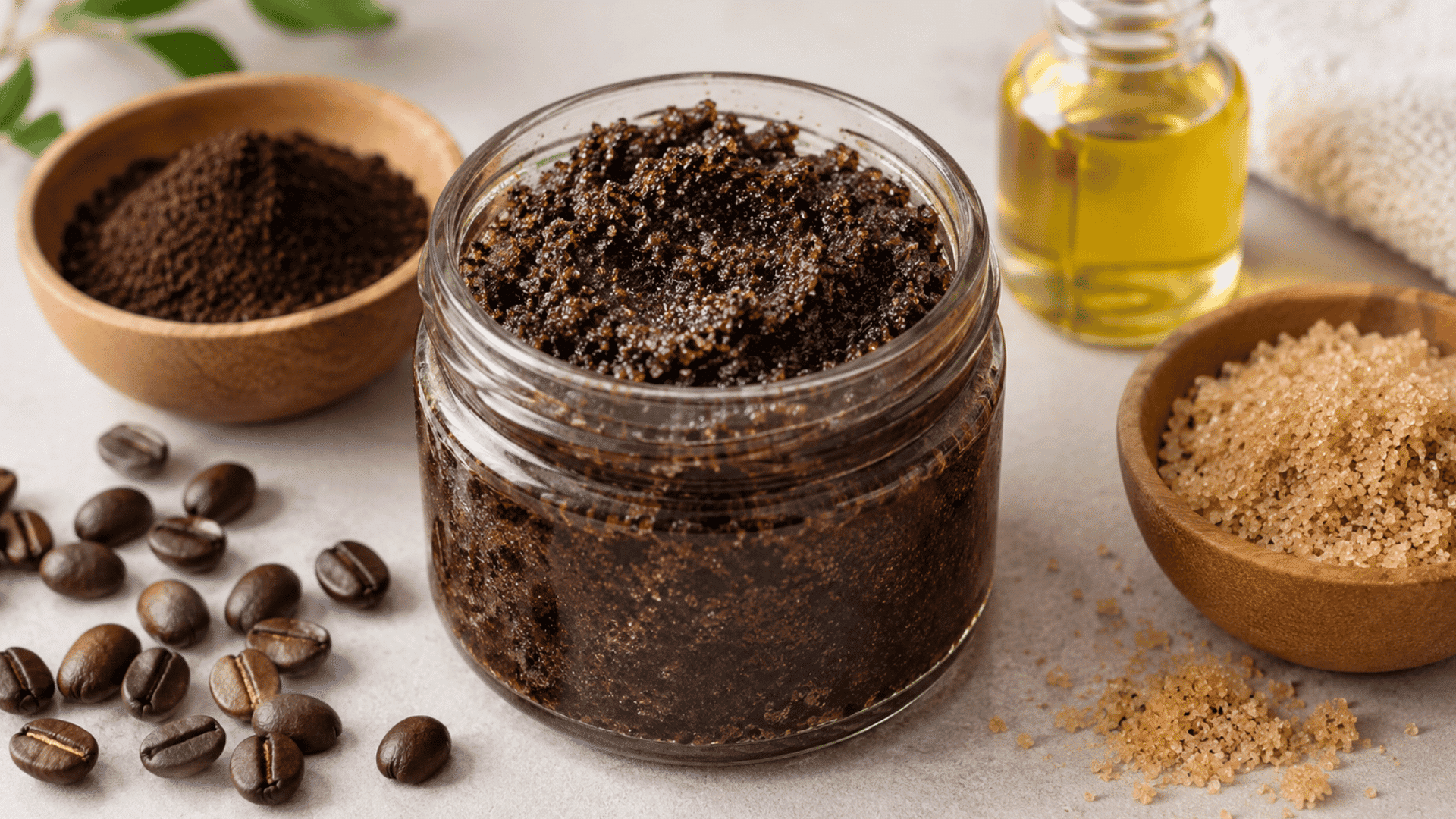
Ingredients
-
½ cup finely ground coffee
-
½ cup brown sugar
-
½ cup carrier oil
Steps to Follow
-
Mix the Dry Ingredients: Combine the ground coffee and brown sugar in a clean bowl.
-
Add the Oil: Pour in the carrier oil and stir well.
-
Check the Texture: Mix until evenly combined and scoopable.
2. Honey Sugar Body Scrub
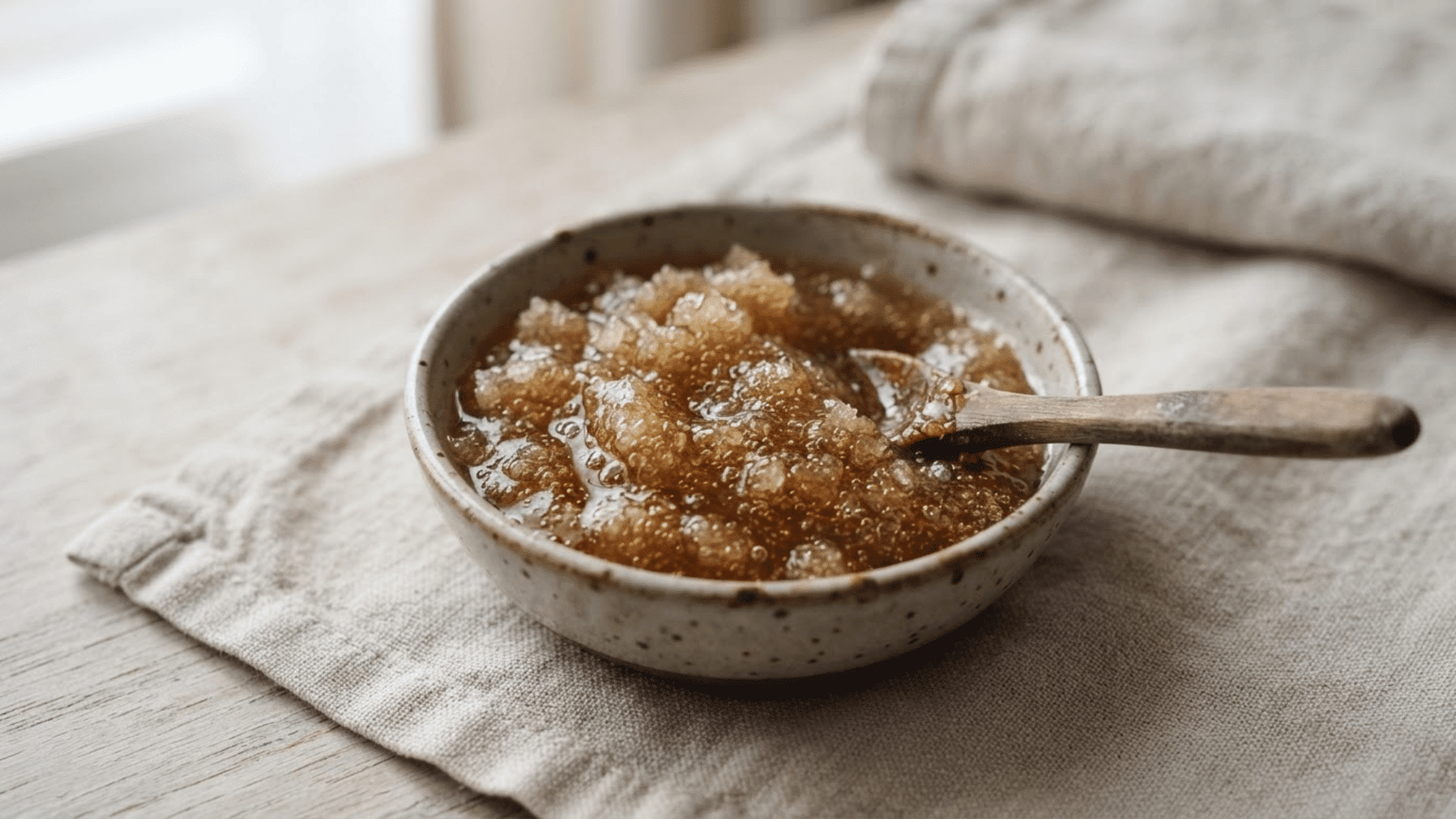
Ingredients
-
1 cup brown sugar
-
⅓ cup carrier oil
-
1 tablespoon honey
How to Make
-
Combine Sugar and Oil: Mix 1 cup brown sugar with ⅓ cup carrier oil.
-
Add the Honey: Stir in 1 tablespoon honey.
-
Mix Well: Continue stirring until everything is evenly combined.
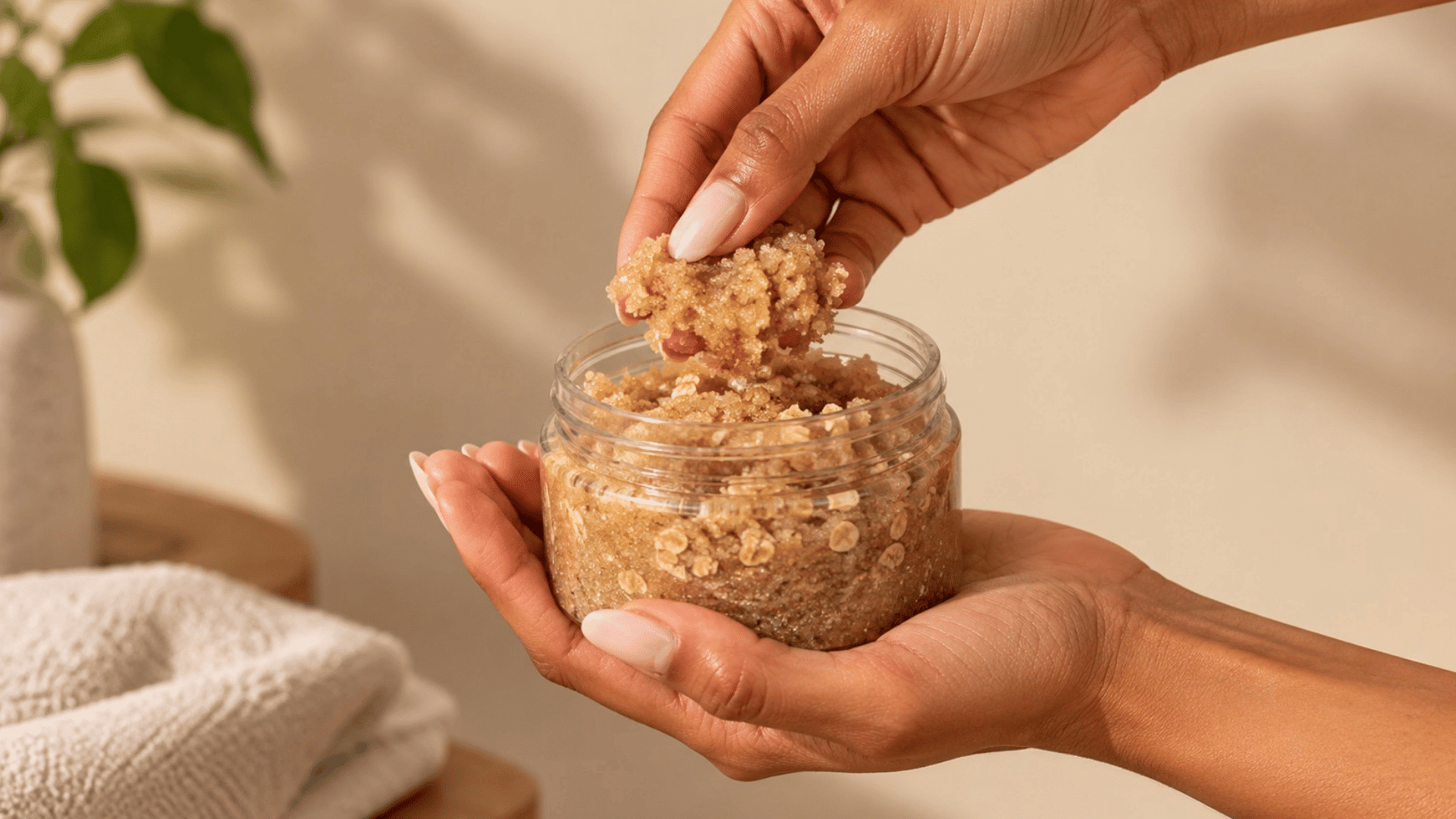
3. Oatmeal Body Scrub
Ingredients
-
½ cup finely ground oats
-
½ cup brown sugar
-
⅓ cup carrier oil
How to Make
-
Combine Oats and Sugar: Mix ½ cup finely ground oats with ½ cup brown sugar.
-
Add the Oil: Pour in ⅓ cup carrier oil.
-
Mix Well: Stir until evenly combined and scoopable.
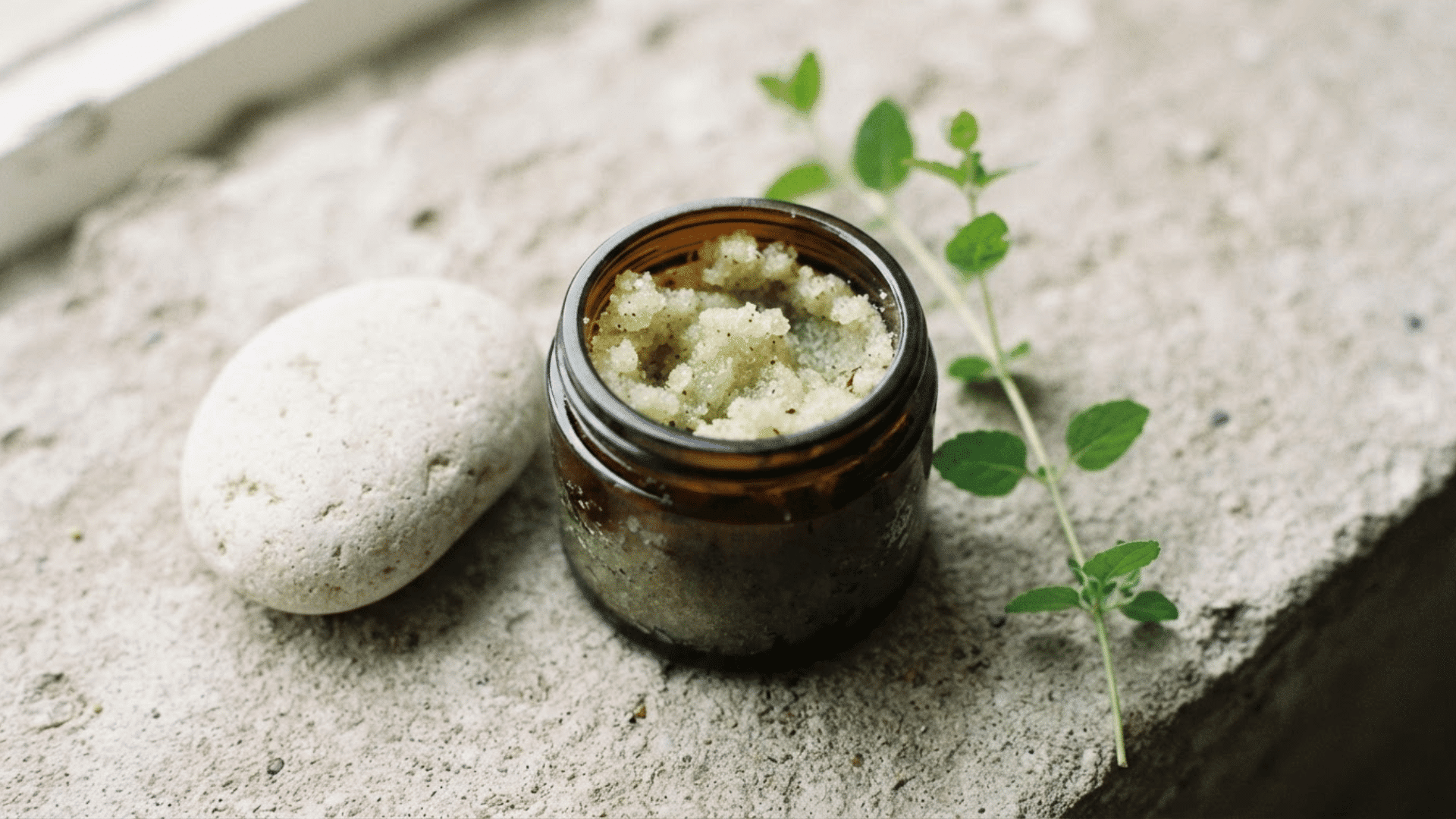
4. Sea Salt Body Scrub
Ingredients
-
1 cup fine sea salt
-
½ cup carrier oil
How to Make
-
Add the Salt: Place 1 cup fine sea salt in a clean bowl.
-
Add the Oil: Pour in ½ cup carrier oil.
-
Mix Well: Stir until the salt is evenly coated.
How to Use a Body Scrub
-
Wet your skin: Step into a warm shower for a minute or two to open your pores and soften your skin.
-
Scoop and apply: Take a small handful of scrub and massage it into your skin using gentle, circular motions.
-
Focus on rough spots: Spend extra time on elbows, knees, and heels, where dead skin builds up fastest.
-
Rinse thoroughly: Rinse with warm water until no grit remains, then pat your skin dry instead of rubbing it.
-
Moisturize right away: Apply lotion or body oil while skin is still slightly damp to help lock in hydration.
Choose a Body Scrub Based on Your Skin
Not every body scrub works equally well for every skin type or area of the body. Use the table below to match the exfoliating base and carrier with your skin’s needs.
|
Skin Type or Area |
Suitable Scrub |
|---|---|
|
Dry Skin |
Brown sugar + coconut or sweet almond oil |
|
Sensitive Skin |
Finely ground oats or fine sugar |
|
Rough Elbows and Knees |
Granulated sugar + carrier oil |
|
Rough Heels |
Fine sea salt + carrier oil |
How Often Should You Use a Body Scrub?
For many people, using a body scrub about once or twice a week is enough. According to the American Academy of Dermatology Association, how often you exfoliate should depend on your skin type and the exfoliation method you use.
Normal skin may tolerate occasional exfoliation comfortably, while dry or sensitive skin may need longer breaks between sessions. Generally, use a coarse scrub less often than a very gentle one.
Redness, burning, unusual sensitivity, tightness, or persistent dryness can indicate that you are exfoliating too aggressively or too often.
How to Store Homemade Body Scrub
Store homemade body scrub in a clean, dry, airtight jar away from water, heat, and direct sunlight. Keeping moisture out helps reduce contamination, especially when the scrub contains no commercial preservatives.
Always close the lid tightly and use clean, dry fingers or a spoon. Avoid getting shower water into the jar.
Discard the scrub if its smell, color, or texture changes, especially when it contains fresh or perishable ingredients.
When to Skip a Body Scrub
Avoid using a homemade body scrub when exfoliation could further irritate or damage your skin.
-
Cuts or Open Wounds: Scrubbing can cause irritation and discomfort.
-
Sunburned Skin: Wait until the skin has fully recovered before exfoliating.
-
Rashes or Irritation: Avoid scrubbing red, itchy, inflamed, or peeling areas.
-
Immediately After Shaving: Freshly shaved skin may be more sensitive to friction.
-
Active Skin Conditions: Eczema, psoriasis, or other flare-ups may worsen with physical exfoliation.
-
After Certain Skin Treatments: Avoid scrubs after waxing, chemical peels, or similar treatments until the skin has recovered.
|
Safety Note: Patch-test unfamiliar ingredients before using them more widely. Stop using the scrub if it causes persistent redness, burning, swelling, itching, or another concerning reaction. A dermatologist can provide personalized advice for ongoing skin concerns. |
|---|
Body Scrub Mistakes that Can Irritate Your Skin
A homemade scrub may contain simple ingredients, but physical exfoliation can still be harsh when used incorrectly.
-
Scrubbing too hard
-
Choosing coarse particles
-
Exfoliating too frequently
-
Applying it to damaged skin
-
Using body scrub on the face
-
Adding undiluted essential oils
-
Ignoring irritation
If your face needs the same kind of deep exfoliation, a professional facial treatment is usually a safer route than pressing a body scrub into delicate skin.
Conclusion
Making my own body scrub feels much less complicated when I keep the formula simple. Sugar or another suitable exfoliating base, a carrier oil, and an optional add-in are often all you need for a practical homemade mixture.
The most important part of making a body scrub isn’t adding more ingredients; it’s choosing a texture that suits your skin and using it gently.
Start with a small batch, keep water out of the container, and watch how your skin responds.
A simple recipe that leaves your skin comfortable and smooth is far more useful than an overly complicated mixture.
Frequently Asked Questions
Can You Make Body Scrub Without Coconut Oil?
Yes, jojoba, grapeseed, sweet almond, or olive oil can replace coconut oil. Choose an oil that suits your skin and adjust the amount until the scrub reaches the desired consistency.
Is Sugar or Salt Better for a Body Scrub?
Sugar is generally the gentler choice, particularly when finely granulated. Salt provides stronger physical exfoliation and may suit rough areas such as heels, knees, and elbows.
Can You Use Body Scrub on Your Face?
Body scrubs are generally not designed for facial skin. Their particles may be too abrasive, so use a facial exfoliating product specifically formulated for the face instead.
How Long Does Homemade Body Scrub Last?
Shelf life depends on the ingredients, preparation, storage, and risk of contamination. Keep water-free scrubs in a clean, dry container and discard them if their smell, color, or texture changes.
Do You Use Body Scrub Before or After Body Wash?
You can cleanse first to remove sweat, dirt, and surface oils, then gently exfoliate damp skin. Rinse thoroughly afterward and apply moisturizer once you are out of the shower.