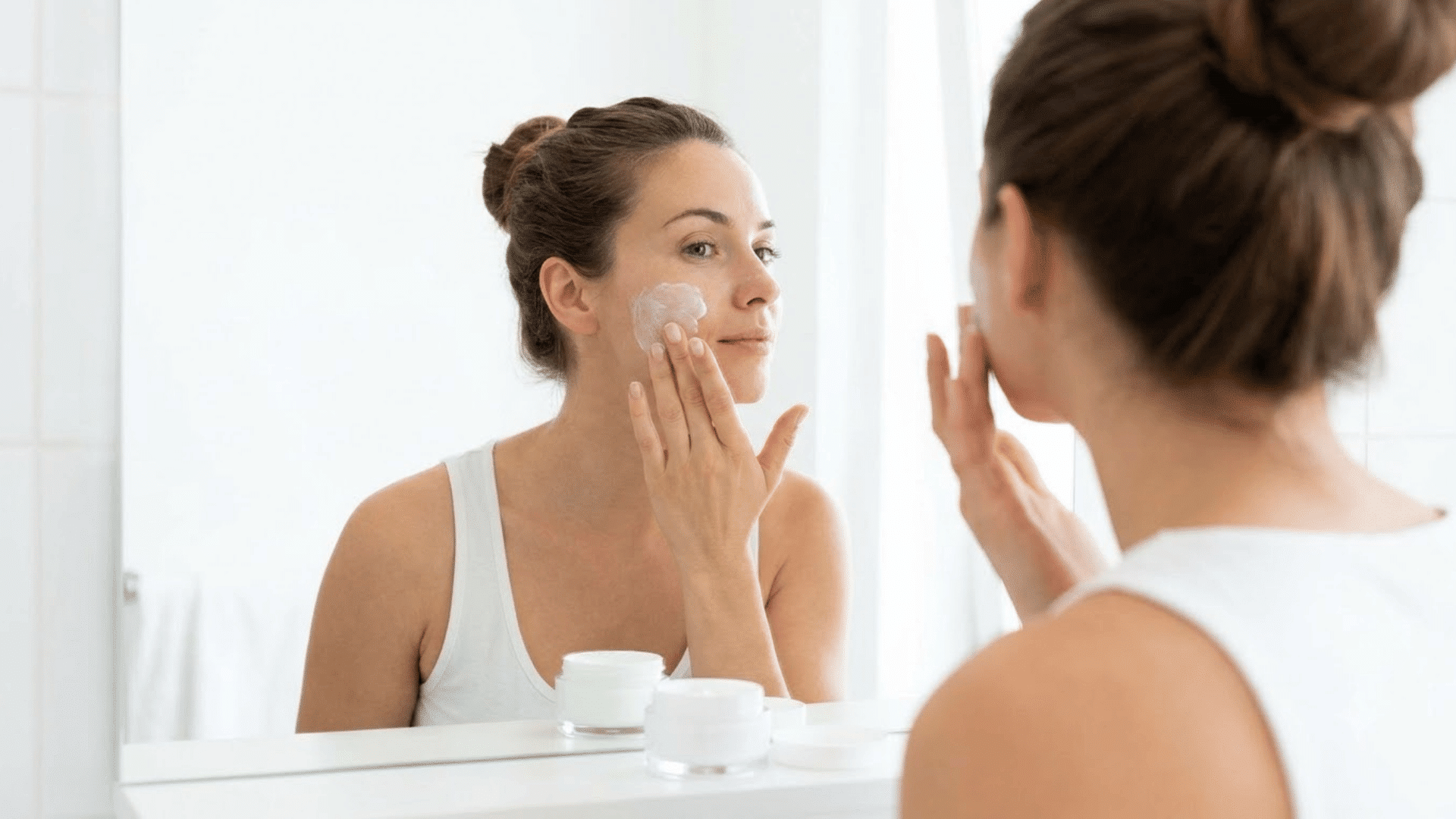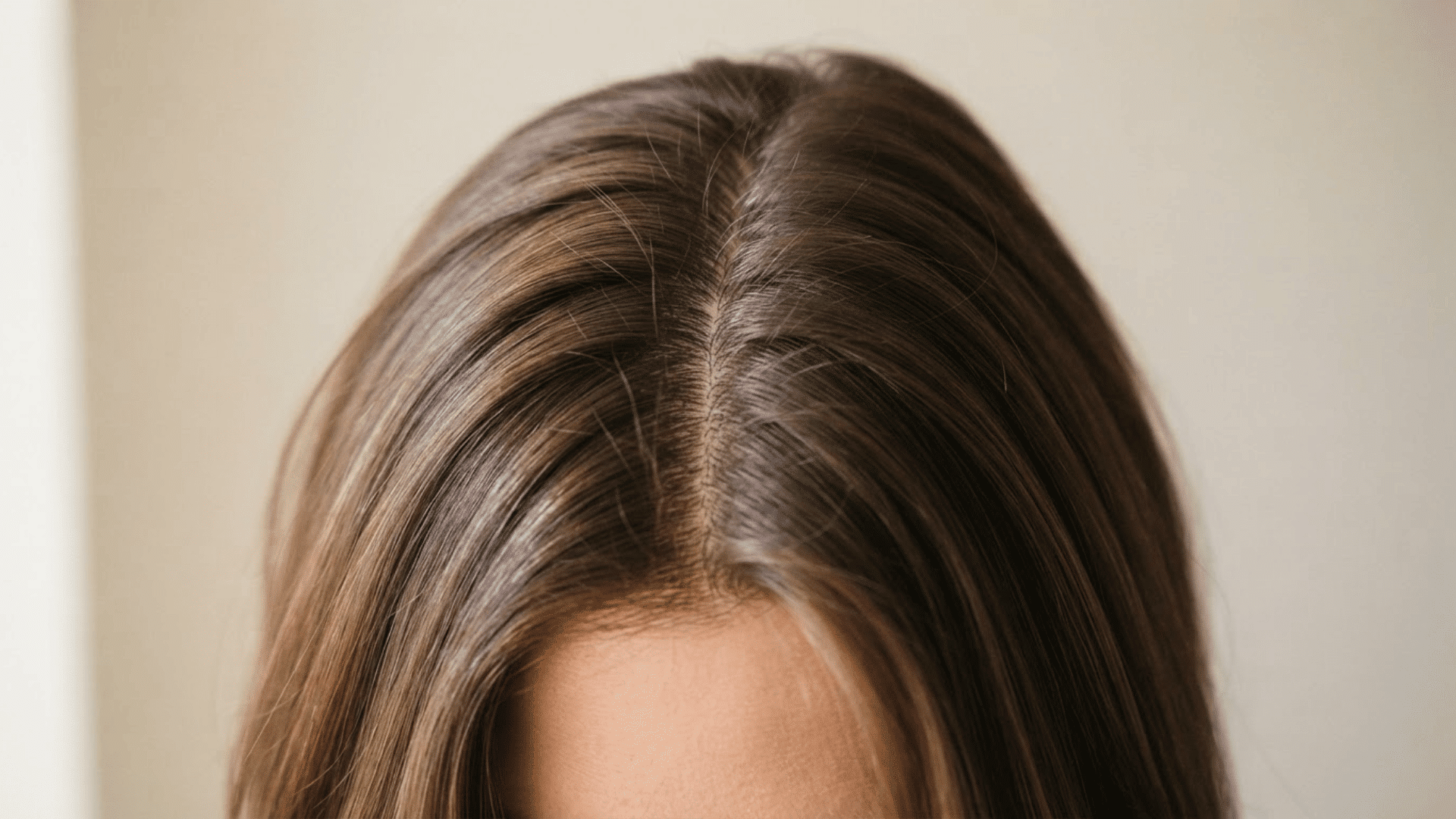
Nothing is more frustrating than washing my hair at night only to wake up with oily, flat roots. I’ve had days when my hair looked fresh for only a few hours before it started feeling heavy again.
For a while, I assumed washing more often was the obvious solution.
What I eventually noticed was that smaller details made just as much difference, especially where I applied conditioner, how much styling product I used, and whether I was rinsing everything out properly.
If you’re figuring out how to get rid of greasy hair, a few changes to your regular routine may help your roots stay fresher and lighter for longer.
Why Does Hair Get Oily?
Hair gets oily when sebaceous glands in the scalp produce sebum, a natural oil that protects the scalp and hair.
According to MedlinePlus, oily hair occurs when glands in the scalp produce too much oil. Excess oil can be more noticeable because of genetics, hormones, fine or straight hair, frequent touching, product buildup, or heavy conditioners.
Washing habits also matter, as improper cleansing may leave oil and residue around the roots between regular washes.
Environmental factors such as heat and humidity can also make the scalp feel oilier, especially when sweat mixes with sebum. Using styling products too close to the roots can further contribute to buildup and make hair look greasy sooner.
|
Cause |
What Happens |
|---|---|
|
Active sebaceous glands |
The scalp naturally produces more noticeable oil |
|
Fine or straight hair |
Sebum can travel along the strands more easily |
|
Product buildup |
Styling residue can make roots feel heavy |
|
Conditioner on roots |
Rich formulas may weigh down the scalp area |
|
Frequent touching |
Oil from the hands transfers to the hair |
|
Dirty hairbrushes |
Old oil and residue can return to clean strands |
|
Hormonal changes |
Shifts in hormones may affect scalp oil production |
How to Get Rid of Greasy Hair
To get rid of greasy hair, focus shampoo on your scalp, rinse thoroughly, keep conditioner away from your roots, limit heavy styling products, and clean your hairbrush regularly.
1. Wash Your Scalp on the Right Schedule
Focus shampoo mainly on your scalp and roots, where excess oil and buildup collect. Massage gently with your fingertips and rinse well. Match your washing frequency to your scalp’s needs.
Fine or naturally oily hair may require more frequent shampooing, while thick, curly, or drier hair may stay fresh longer between washes.
2. Apply Conditioner Only Where Needed
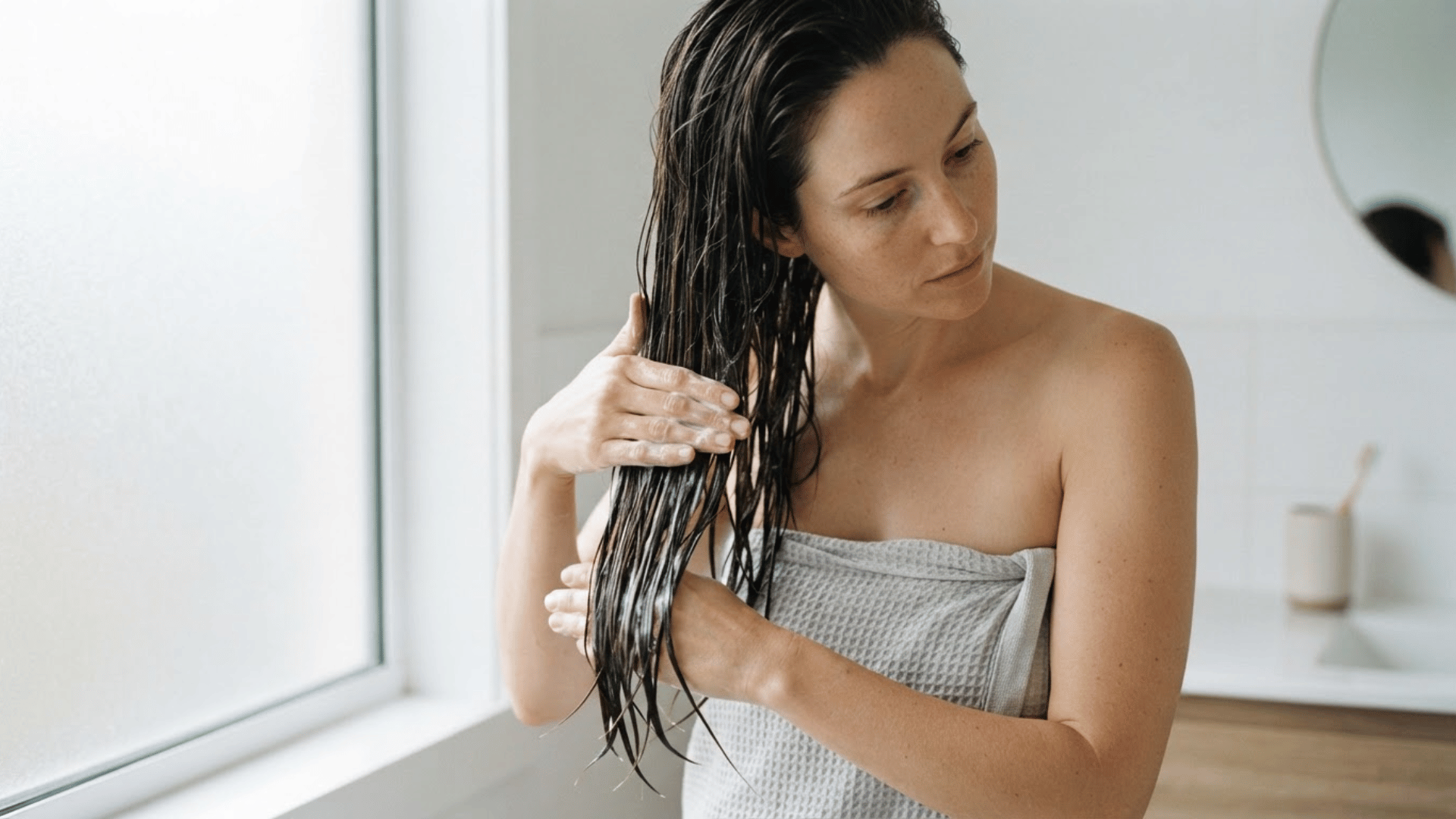
Conditioner keeps hair soft and manageable, but applying rich formulas directly to oily roots can make them look flat or greasy sooner.
Concentrate conditioner on the mid-lengths and ends, where hair often needs more moisture. If your ends feel dry, use enough to soften them without coating the scalp or weighing down your roots.
3. Rinse Your Hair Thoroughly
Leftover shampoo or conditioner can leave freshly washed hair feeling coated, heavy, or greasy. Spend enough time rinsing your scalp, roots, and lengths until no product residue remains.
Lukewarm water is a comfortable option for regular washing. Pay extra attention to dense sections of hair where shampoo and conditioner may be harder to rinse completely.
4. Use Clarifying Shampoo for Buildup
Styling creams, oils, sprays, and dry shampoo can gradually accumulate on your scalp and strands. A clarifying shampoo cleans more deeply when regular shampoo doesn’t remove enough residue.
Use it occasionally rather than replacing your usual shampoo, especially if your hair starts feeling heavy, coated, or greasy soon after you wash it.
If you’re not sure which formula fits your hair, a few clarifying shampoo picks for different hair types can help narrow it down.
5. Limit Heavy Styling Products and Hair Touching
Rich oils, thick serums, waxes, and leave-in creams can weigh down oily roots, especially when applied close to the scalp. Use less and keep heavier products mainly on the ends, especially when maintaining a silk press on natural hair.
Also, avoid running your fingers through your hair frequently, since natural oils from your hands can transfer onto the strands and increase greasiness.
6. Use Dry Shampoo Between Washes
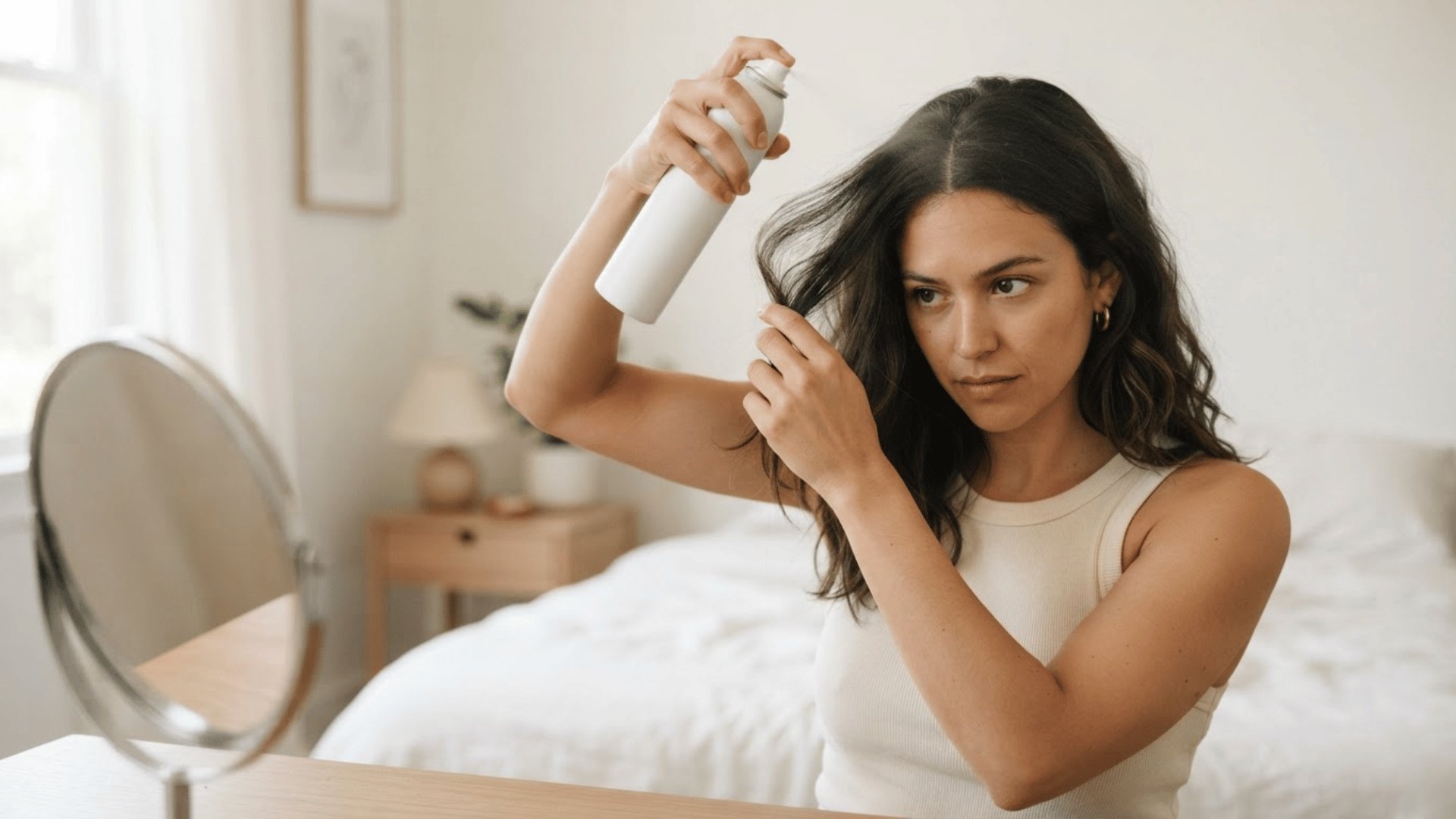
Dry shampoo can absorb excess oil and refresh greasy roots when you are between regular washes. Apply a small amount directly to oily areas, let it absorb, and gently work it through your roots.
Avoid repeatedly layering large amounts, since accumulated dry shampoo and scalp oil can eventually leave your hair feeling heavy and coated.
7. Keep Hairbrushes and Styling Tools Clean
Hairbrushes, combs, and styling tools can collect natural oils, loose hair, dead skin, and product residue over time. Using them again on freshly washed hair may transfer some buildup back onto your strands.
Remove trapped hair regularly, and clean washable brushes and combs according to their material to keep hair fresher for longer.
What to Use for Oily Hair?
If you are unsure what to use for oily hair, prioritize products that clean the scalp effectively without unnecessarily coating the roots.
-
Oily-hair shampoo: Helps remove excess oil and everyday buildup from the scalp.
-
Clarifying shampoo: Provides deeper cleansing when styling products or dry shampoo have accumulated.
-
Lightweight conditioner: Hydrates the lengths without weighing down the roots.
-
Dry shampoo: Absorbs excess oil when you need to extend the time between washes.
-
Lightweight styling products: Reduce the chance of weighing down fine or oily hair.
-
Scalp treatment: Some formulas address buildup or specific scalp concerns.
How Often Should You Wash Your Hair?
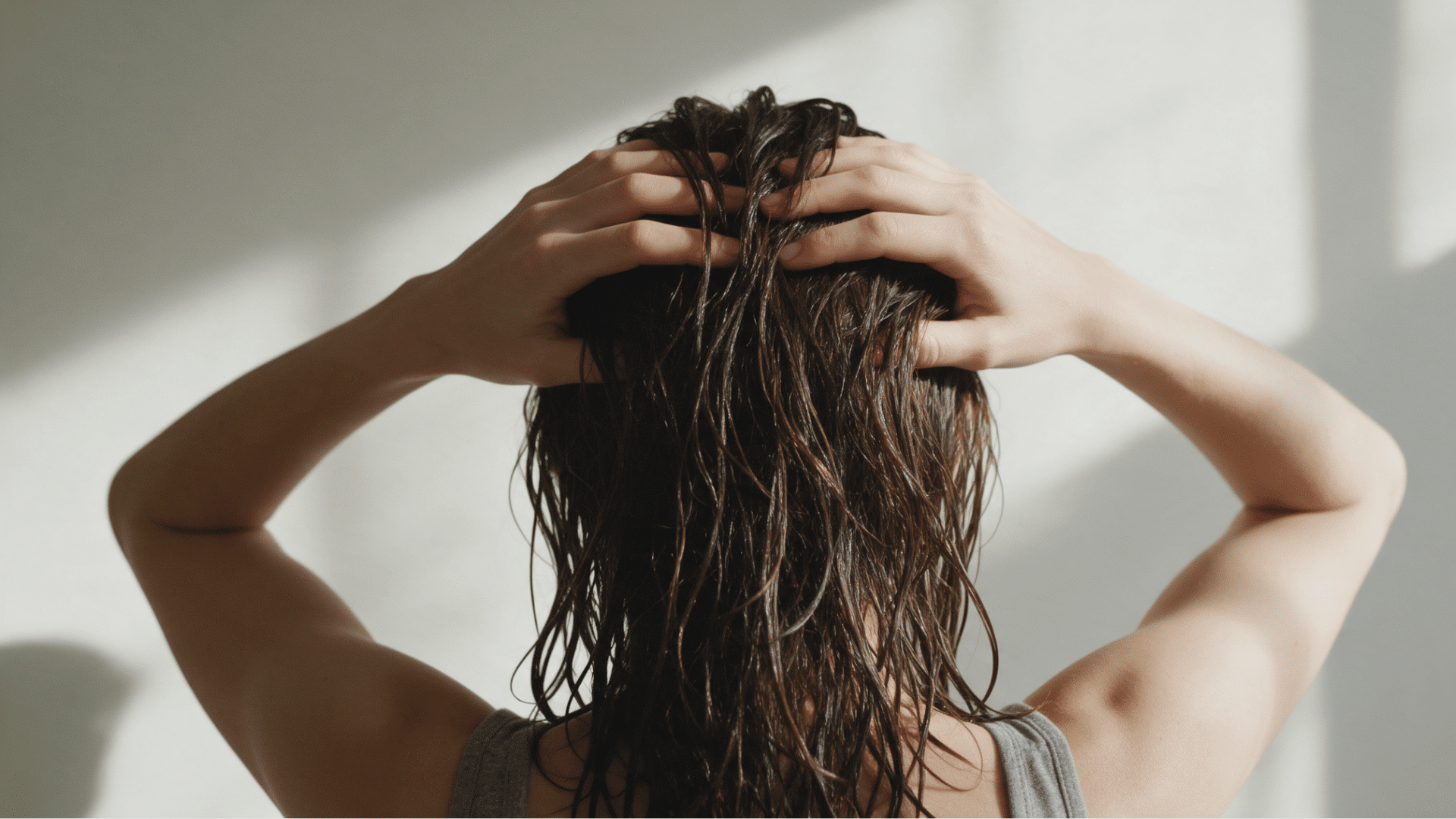
You can wash oily hair as often as needed to keep the scalp clean. Some people may need to wash daily, while others can wash every two to three days, depending on their hair type and oil production.
I stopped treating longer gaps between washes as something I had to achieve.
If my scalp feels oily and uncomfortable, washing it makes more sense for me than trying to push through another day simply because a routine says I should.
Fine or straight hair often looks greasy sooner because oil spreads easily along the strands.
Thick, curly, or textured hair may stay fresher longer. Sweating, exercise, humid weather, and styling products can also affect how often you need to shampoo.
When to See a Dermatologist for Greasy Hair
Occasional greasy roots are common, but persistent oiliness alongside other scalp symptoms may need professional attention. A dermatologist can assess your scalp and identify possible underlying concerns.
-
Persistent Itching
-
Recurring Flakes
-
Redness or Irritation
-
Sudden Oiliness
-
Unusual Hair Loss
-
Persistent Greasiness
Conclusion
Greasy roots do not mean you need an overly complicated hair routine. I find the small details often matter most: where shampoo goes, how thoroughly you rinse it, where you apply conditioner, and how much styling product reaches the roots.
A routine that suits your scalp is more useful than forcing a fixed washing schedule. Keep cleansing focused on oily areas, use lightweight products where appropriate, control buildup, and give drier ends the moisture they need.
With consistent habits and a better balance between cleansing and conditioning, oily hair can feel fresher, lighter, and much easier to manage.
Frequently Asked Questions
Why Is My Hair Greasy After One Day?
Your scalp may naturally produce oil quickly, particularly if you have fine or straight hair. Product buildup, touching your roots, or applying rich products near the scalp may also contribute.
Why Is My Hair Greasy Even After Washing?
Incomplete rinsing, product buildup, heavy conditioner, styling residue, or an unsuitable shampoo may leave hair feeling greasy after washing. Focus cleansing on your scalp and rinse all products thoroughly.
Can You Permanently Stop Greasy Hair?
Sebum is a normal part of scalp function, so completely stopping oil production is neither realistic nor necessary. A suitable washing routine and lighter products can help keep excess greasiness manageable.