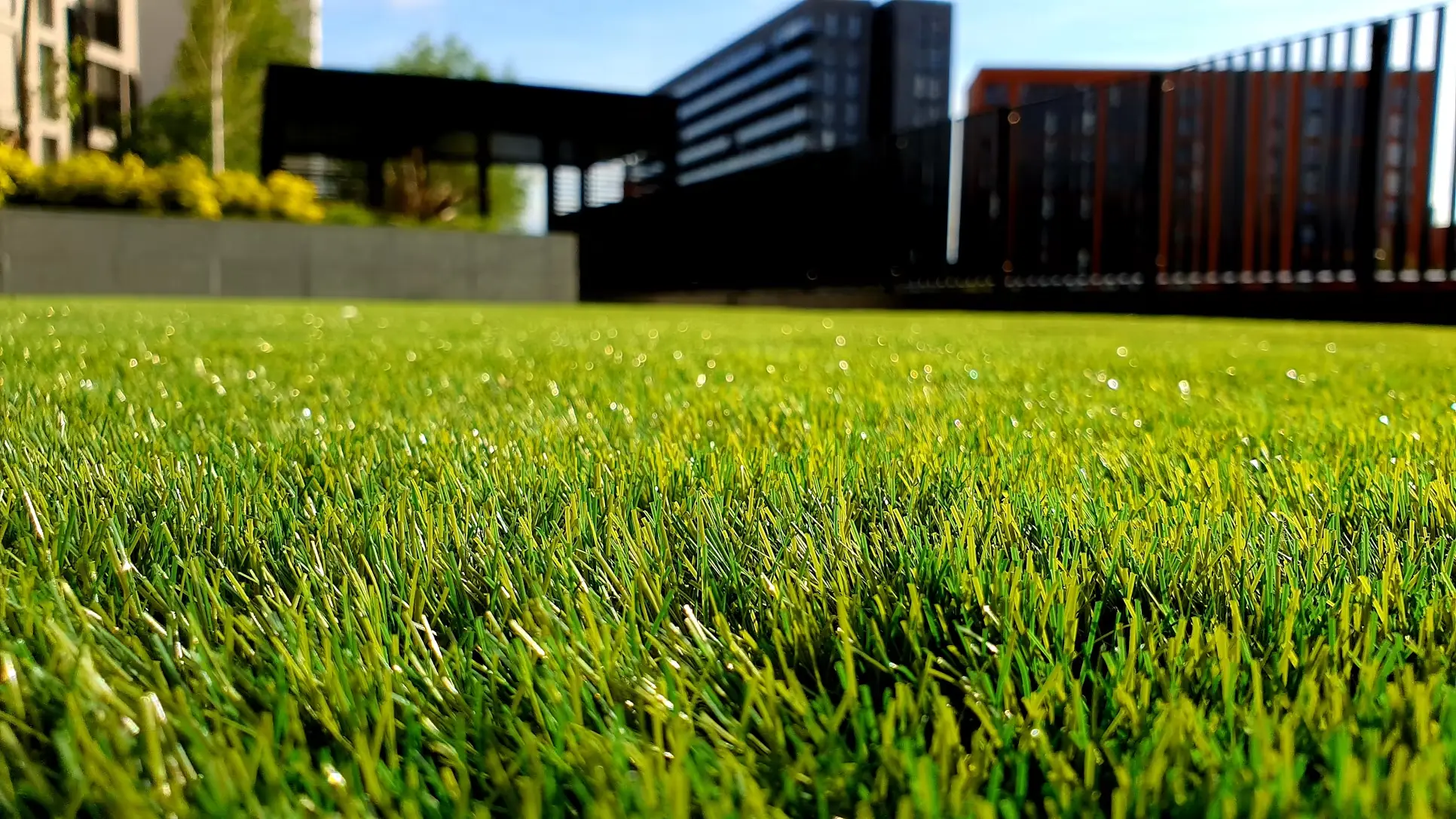
There was a time, not too long ago, that if you wanted to know which was the best-looking lawn on the block, you simply needed to look for the neatest one – lines cut perfectly straight, no clovers anywhere to be seen.
Pride in this case has become an idea quietly giving way to its exact opposite – a garden left deliberately untidy, full of bees and plants that weren’t intentionally planted.
From Manicured to Messy on Purpose
The act of rewilding a garden is all about moving away from the need to maintain everything. This includes letting your yard waste decay naturally rather than placing it in bags, planting natural grasses and flowers rather than monoculture plants, and including something for wildlife, like birdbaths and small pools, rather than concentrating only on landscaped gardens.
There are two types of people who rewild their gardens: those who like the ecological aspect and those who like the practical aspect.
The first group likes to build homes for the native animals, while the latter group is sick and tired of spending a lot of time and water mowing their lawn. However, they both accomplish the same thing, hence the rapid rise of the trend. Unlike a lawn that follows the golf course standard, the rewilded one needs little maintenance.
The idea of ecological rewilding certainly isn’t new. It has been around for decades and has been used to describe actions on landscapes much larger than one’s suburban garden. What has changed is simply the scale and the audience.
A practice once associated only with restoring a natural balance in a national park can now describe letting a patch of clover grow untouched. The use of the term for both actions indicates how far the idea has come. While it may not be as grand as reintroducing apex predators to a landscape, the principles are the same.
From Rainy Gardening Days to Online Casinos
Wild gardens still remain weather-dependent, unlike manicured gardens, which aren’t. This means that there isn’t much to be done when it rains during the day because of the fact that the whole idea of a wild garden is to allow things to develop on their own time frame.
The indoor downtime in such cases will most definitely be spent doing things that don’t require effort and may involve visiting an online casino, along with reading or watching television.
But to choose a good casino, you have to take a look at the real terms. Thankfully, we have reputable sites for that. For example, Casinos Analyzer can tell you all about casinos: you can find more details about Casiny as well as other platforms.
The Weeds That Started as Garden Plants
While rewilding might seem like an easy concept to understand on paper – “grow native plants and walk away,” in essence – it’s important to remember that the planting process is not without its dangers.
There is a list maintained by a government body dedicated to biosecurity, and this list includes a number of plants considered unwanted organisms because of their proven ability to cause ecological problems if they manage to escape cultivation.
While one doesn’t necessarily have to tear down a plant that they have at home, propagation, sale, and even the gift of a cutting to a neighbor is illegal – this is a very important point for those interested in exchanging wildflower seeds or plant cuttings.
This aspect must be given serious consideration: most of the weed plants that currently threaten the natural environment were originally cultivated garden plants that were planted by people unaware of their invasive potential.
This is precisely why, even when cultivating a wildflower garden or native plants, it is important to consult a list of potential pest plants first.
Additionally, the organization highlights a fungal infection that threatens native tree species belonging to the same family as certain garden plants. There is a hotline number to report the presence of this disease.
Rewilding a Yard Without Accidentally Making It Worse
With a little foresight, you can ensure that your untamed garden does not become an ecological disaster. This is similar to how CasinosAnalyzer verifies the terms of use before you start using any casino site.
- Be sure to consult the local list of invasive plant species before buying or planting any wildflower mix or plant.
- Begin your experiment on a small patch of land rather than your entire garden, just in case something goes wrong.
- Stick to plants native to the region instead of using generic wildflower seeds that contain non-native plants.
- Take note of the plants that survive the first year, and eliminate those that spread more quickly than anticipated.
- Report any plants that could be harmful or pose a danger.
None of this diminishes the allure of doing nothing. In fact, this is done after doing some homework instead of avoiding it.
Signs a “Wild” Garden Has Actually Just Been Neglected
Neglect and rewilding may seem very much alike when looking from the street level, and it might be important to be honest about the fact that it is not the same.
- There is no vegetation intentionally introduced into this space; it is simply the nature that grew there after ceasing of mowing.
- Invasive or aggressive species have taken control over areas intended for native vegetation.
- No wildlife habitat, water source, or any other intentionally introduced vegetation can be found on this site.
- Complaints of neighbors are addressed by “it’s rewilding,” but there is never an explanation about the nature of vegetation.
- This space has not undergone any inspection or adjustment since the decision to stop mowing was made.
It does not mean anything against the rightness of the whole idea. It just means that the distinction between rewilded and neglected spaces can come down to nothing else but intention.
A Wild Garden Still Needs a Gardener
The concept of rewilding has many appealing aspects, such as reduced mowing, increased pollinator numbers, and no yard work on weekends. With rewilding, your yard no longer requires weekends dedicated solely to lawn maintenance. However, this does not mean that there is no gardener behind the scenes.
It simply means the gardener’s role changes from using a mower to observing the growth of the plants. For a garden to become wild, someone must have made a conscious decision about which plants should grow there and ensured that happened.