How to reduce under-eye shadows and localized facial volume loss using treatments that provide immediate filling plus longer-term collagen support
Under-eye shadows and small facial depressions can reflect volume loss, but they may also come from pigmentation, visible vessels, edema, or skeletal anatomy. Juvelook Volume is a professional injectable containing PDLLA and non-cross-linked hyaluronic acid for temporary correction of adult facial wrinkles through physical tissue restoration. Its components may provide an early filling or hydration effect followed by gradual collagen support, although the timing and degree of change vary. A clinician should therefore identify the cause of the shadow or hollow before deciding whether this type of treatment is appropriate.
What Juvelook Volume Is Designed to Do
The 200 mg formulation listed by the manufacturer contains 170 mg of PDLLA and 30 mg of hyaluronic acid. The hydrated carrier can create an early soft-tissue effect, but it should not be described as equivalent to the predictable projection of every cross-linked filler. PDLLA acts more gradually by supporting new collagen formation as the material is broken down over time. This delayed response may improve firmness and soften selected localized depressions rather than producing an instant final result. The product may be considered where modest restoration and progressive tissue support fit the treatment objective, with expectations agreed before the procedure.
Assessing Under-Eye Shadows and Facial Volume Loss
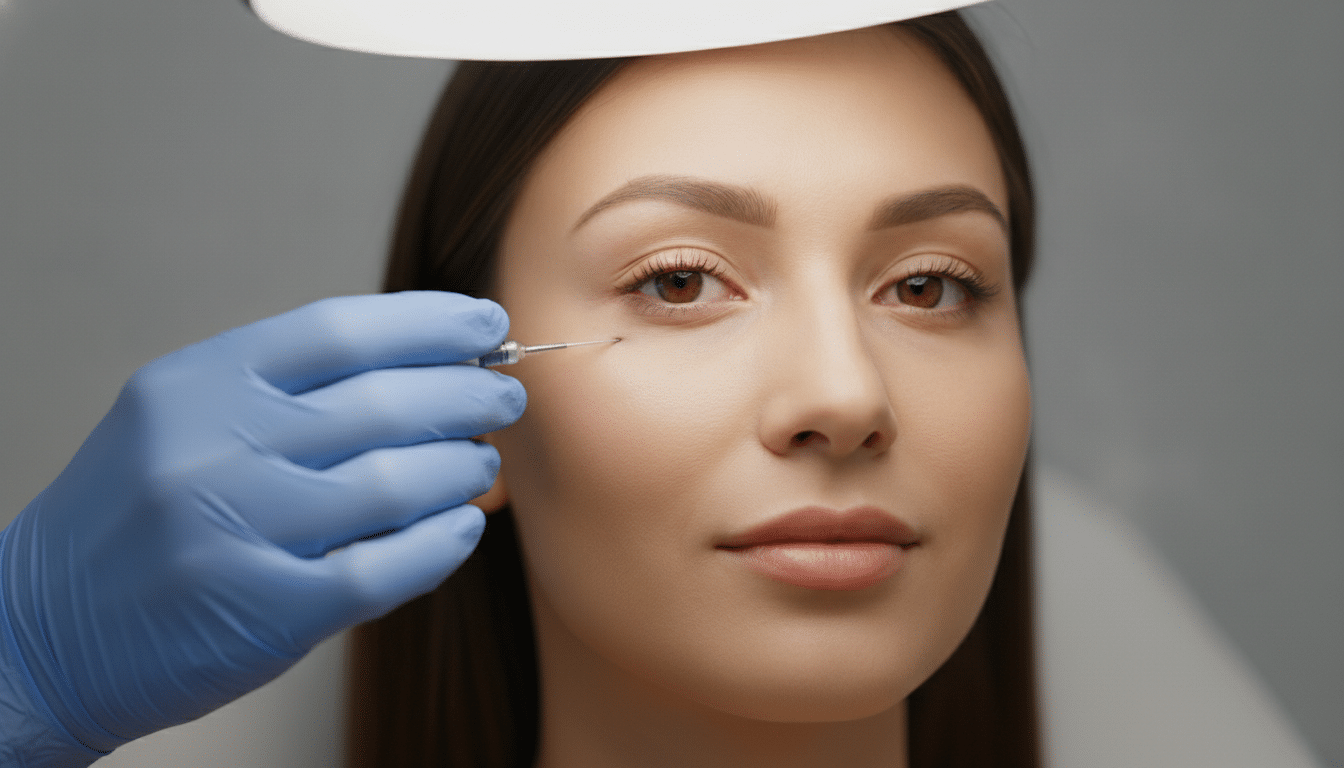
A shadow caused mainly by a tear trough or medial cheek deficit may respond differently from dark color caused by pigment, vessels, or thin skin. Fluid retention and lower-lid bags can become more visible if additional volume is placed without careful diagnosis. The practitioner should assess the orbital rim, cheek support, skin thickness, animation, previous filler, asymmetry, and the position of the lower-lid fat compartments. Published under-eye studies of PDLLA-HA are encouraging, but much of the direct evidence involves the 50 mg Juvelook formulation rather than Juvelook Volume. Those findings cannot be transferred automatically to a more concentrated product, so product choice and treatment area must follow current manufacturer information, professional training, and local rules.
Planning Professional Application

Juvelook Volume requires professional preparation and administration under aseptic conditions, with the exact method taken from the instructions supplied for the vial and market. A cannula may be considered for selected facial planes, yet the device does not remove vascular, inflammatory, or contour-related risk. The phrase lower dermis describes an anatomical treatment level, not a universal target for every indication or every part of the face. Similarly, mesotherapy is a broad technique label and should not be used as a substitute for a defined diagnosis, product-specific protocol, or detailed anatomical plan. Preparation volume, instrument choice, entry site, placement pattern, amount, and session interval remain decisions for a trained practitioner who has examined the patient. The commercial listing at https://derma-solution.com/shop/dermalfillers/juvelook-volume/ can help identify the product, but it does not replace the current professional instructions for use.
Follow-Up, Expected Change, and Safety
Clinical records should include standardized photographs and separate early post-treatment fullness from later tissue change. Short-term swelling, redness, tenderness, and bruising can occur, while papules, nodules, infection, or persistent inflammation require review. Severe pain, blanching, unusual color change, visual symptoms, or rapid deterioration warrants urgent assessment. Follow-up should evaluate the original cause of the shadow, contour symmetry, skin quality, patient satisfaction, and any delayed reaction. Additional treatment should be based on observed response and recovery rather than a fixed promise of sessions, duration, or complete correction.