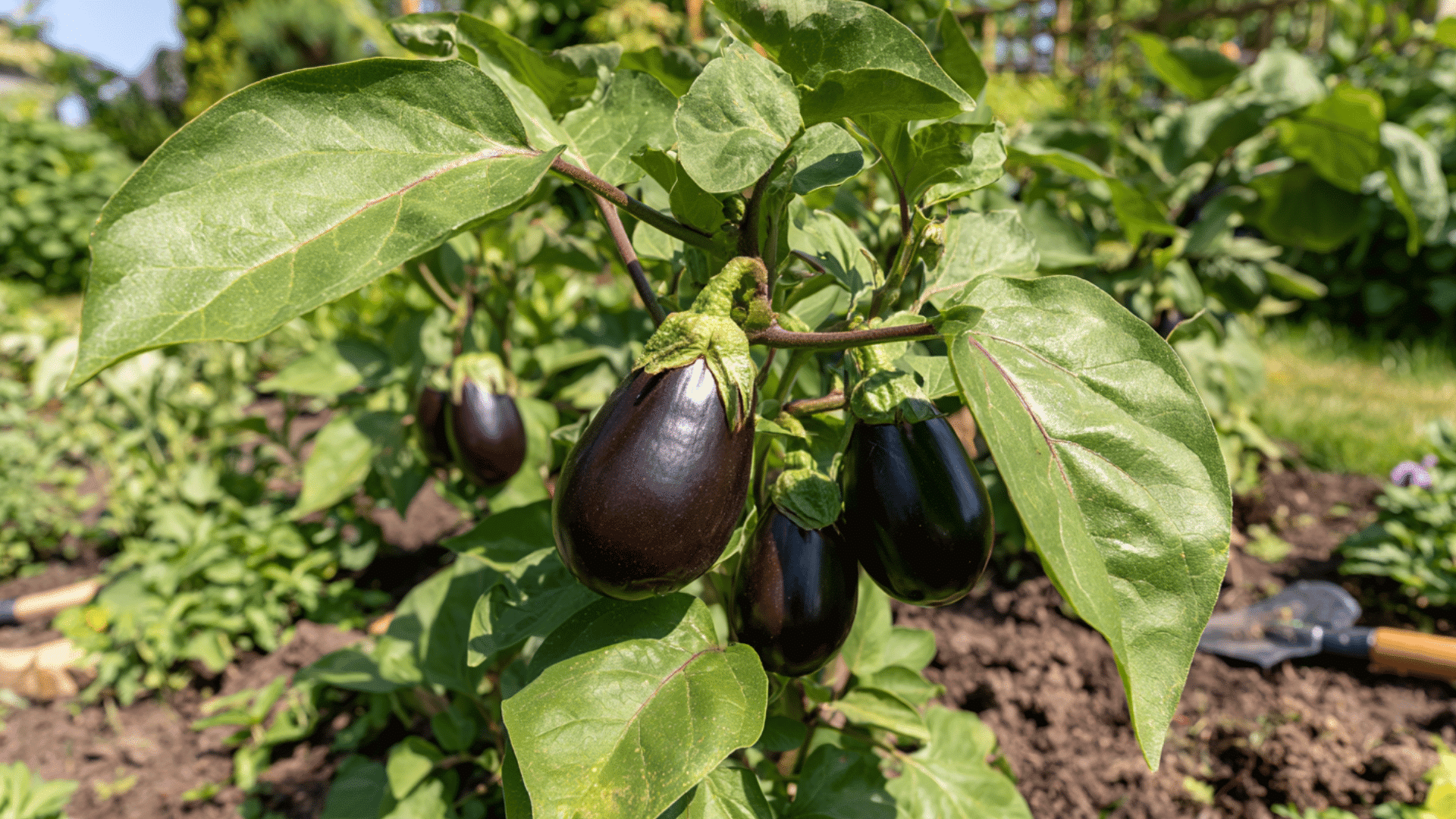
Growing eggplant at home is easier than it may seem, especially when you give the plants the warmth, sunlight, and care they need.
If you are new to gardening, eggplant is a good crop to learn with because you can grow it in garden beds, small spaces, or containers. I like how a few simple steps can make a big difference in plant health and fruit production.
Below, you will learn how to choose the right variety, plant it properly, care for it as it grows, and harvest fresh eggplants at the right time.
Key Takeaways
|
Is Eggplant Easy to Grow for Beginners?
Yes, its easy to grow for beginners. Eggplant is a good choice for beginners because it grows well with basic plant care.
The plant does best in warm conditions and needs enough sunlight, water, and nutrients to grow strong.
You can grow eggplant successfully by selecting a suitable variety, planting at the right time, and maintaining healthy soil.
The plant can grow in garden beds and containers, making it suitable for different growing spaces.
How to Grow Eggplant in Easy Steps?
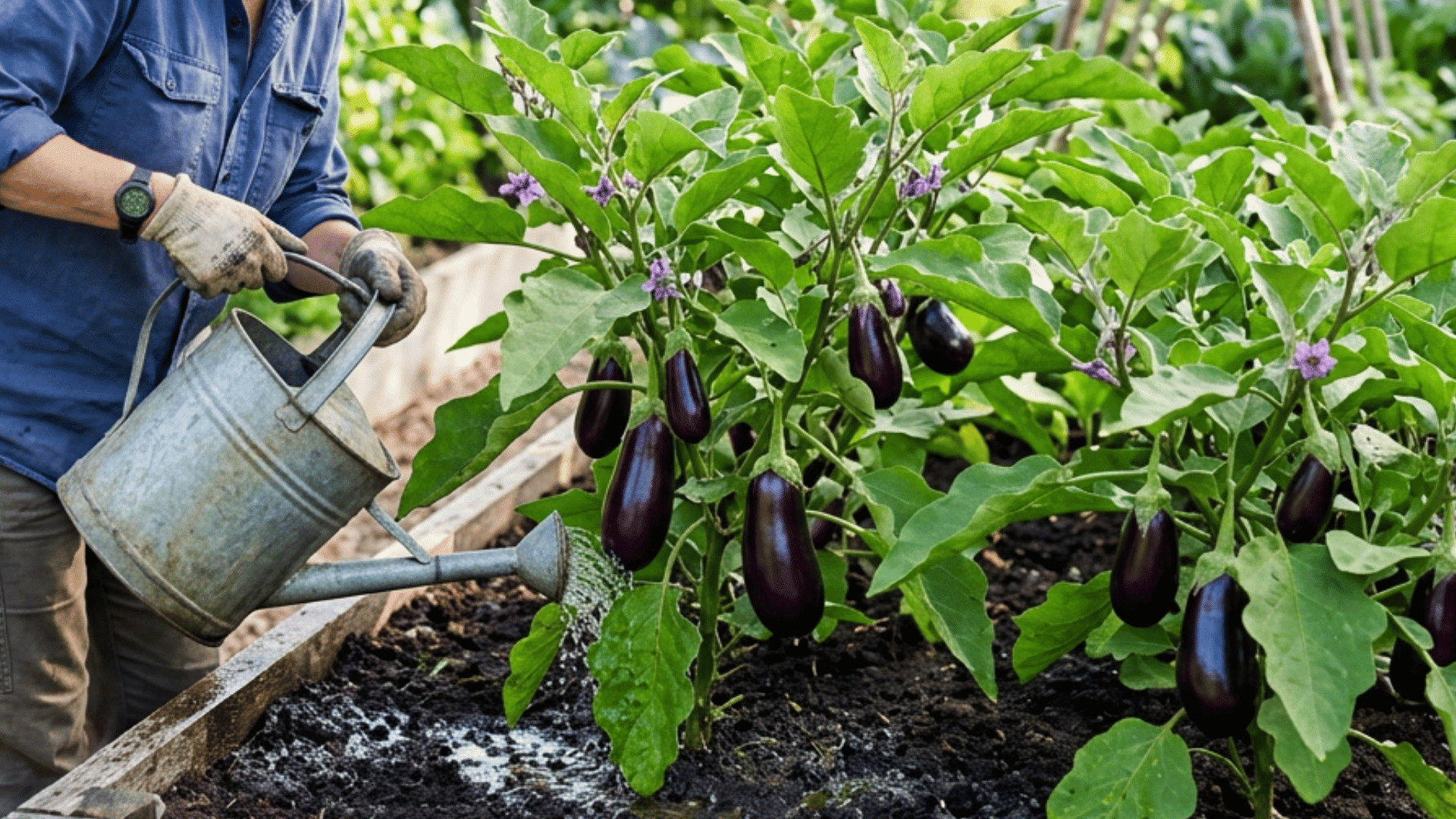
Growing eggplant starts with choosing healthy seeds or seedlings. Follow these steps to help your plants develop strong and produce a good harvest.
1. Choose the Right Variety and Planting Time
Choose an eggplant variety that matches your local climate and growing space. Compact varieties are ideal for containers and small gardens, while larger varieties need more room in garden beds.
Wait until the danger of frost has passed before planting outdoors. The soil should be at least 60°F (16°C) for healthy growth.
Eggplants thrive in consistently warm weather, with temperatures between 70°F and 85°F (21°C to 29°C) providing the best growing conditions.
2. Pick a Sunny Spot and Prepare Soil
Choose a sunny planting spot that receives at least 6 to 8 hours of direct sunlight each day. Prepare the soil by loosening it to a depth of about 12 inches so roots can spread easily.
Mix in compost or other organic matter to improve fertility, drainage, and soil structure.
Eggplants grow best in rich, well-draining soil that is slightly acidic to neutral, with a preferred pH range of about 5.5 to 7.0.
3. Start Seeds or Choose Healthy Seedlings
Start seeds indoors about 6 to 8 weeks before the last expected frost, planting them roughly ¼ inch deep in warm seed-starting mix.
Alternatively, purchase sturdy nursery seedlings with healthy leaves and stems.
Keep young plants warm and gradually expose indoor-grown seedlings to outdoor conditions before transplanting them into the garden.
4. Transplant and Space Plants Properly
Transplant eggplant seedlings outdoors once they reach about 6 to 8 inches tall and nighttime temperatures stay consistently above 55°F (13°C).
Gently remove each seedling from its container and handle the root ball carefully to avoid damage.
Place plants about 18 to 24 inches apart so they have enough space to develop.
Leave approximately 30 to 36 inches between rows to support airflow, easier maintenance, and healthy plant growth throughout the growing season.
5. Water Thoroughly and Maintain Moisture
Water eggplants deeply right after planting to help the roots settle and establish in the soil. Aim to provide about 1 to 2 inches of water each week, depending on rainfall, temperature, and soil conditions.
Keep the soil evenly moist, but avoid overwatering or leaving it soggy. Water at the base of the plant whenever possible. Apply a layer of mulch around the plants to reduce evaporation, suppress weeds, and help maintain a more consistent soil temperature.
How to Grow Eggplant in a Pot?
Eggplant can grow well in containers if the pot provides enough space for roots. Container gardening is a useful option for balconies, patios, or small gardens.
Follow these steps:
- Choose a container with drainage holes.
- Use a large pot that can support root growth.
- Fill it with nutrient-rich potting soil.
- Place the container in full sunlight.
- Water regularly because pots dry out faster than garden soil.
How to Care for Eggplants?
Eggplant plants need regular care throughout the growing season. Proper watering, feeding, and support help plants produce healthy fruits.
1. Watering
Eggplants need consistent moisture, especially during flowering and fruit development.
Water plants deeply at the base and keep the soil evenly moist. Avoid long dry periods, as uneven watering can affect growth and fruit quality.
Adding mulch around plants helps retain moisture and keeps roots healthier.
2. Feeding and Fertilizing
Eggplant plants need steady nutrients throughout the growing season for healthy growth and fruit production. Add compost before planting and use a balanced fertilizer as plants develop.
Feed during fruiting, but avoid excess nitrogen, as it can lead to more leaves and fewer fruits.
3. Supporting Eggplant
Eggplant branches may become heavy as fruits develop, so providing support helps prevent bending or breaking.
Add stakes near young plants and tie stems gently with soft ties.
Check supports regularly as plants grow to keep branches secure and help the plant stay upright throughout the season.
When and How to Harvest Eggplant?
Harvest eggplants when the fruits are firm, glossy, and have reached the expected size for their variety. Gently press the skin with your thumb; ripe fruit should spring back slightly.
Avoid waiting until the skin becomes dull or the seeds harden, as this can affect flavor and texture.
Use pruning shears or a sharp knife to cut the fruit from the plant, leaving a short section of stem attached. Check plants regularly during peak production to harvest on time.
Common Eggplant Pests and Diseases
Pests and diseases can slow growth and reduce fruit production. Regular plant checks and proper care can help prevent common problems.
- Aphids: These pests damage leaves by feeding on plant sap and can weaken plant growth.
- Flea Beetles: They create small holes in leaves and can harm young eggplant plants.
- Spider Mites: These tiny pests cause leaf discoloration and reduced plant health.
- Powdery Mildew: This fungal disease appears as a white coating on leaves and affects plant growth.
- Root Rot: Poor drainage and overwatering can damage roots and cause plants to wilt.
- Bacterial Wilt: This disease causes sudden wilting and can lead to plant loss. Remove infected plants to prevent spread.
Beginner Mistakes to Avoid When Growing Eggplant
Avoiding common mistakes helps eggplant plants grow healthier and produce better fruits.
- Overwatering: Avoid soaking the soil constantly, as excess moisture can weaken roots and increase the risk of fungal problems.
- Underwatering: Keep the soil consistently moist, as dry conditions can slow growth and reduce healthy flower and fruit development.
- Low Sunlight: Grow eggplants where they receive at least 6 to 8 hours of direct sunlight each day.
- Overcrowding: Keep enough space between plants to improve airflow, reduce disease risk, and support stronger overall growth.
- Late Harvesting: Pick eggplants while firm and glossy because overripe fruits can become tough, bitter, and filled with hard seeds.
Conclusion
Growing eggplant becomes easier when plants receive the right sunlight, soil, water, and nutrients.
With proper planting, regular care, and timely harvesting, beginners can grow healthy eggplants in both gardens and containers.
Choose a suitable variety, maintain good growing conditions, and check your plants regularly for the best results.
Have you grown eggplant at home? Share your gardening experience and tips with us in the comments section below.
Frequently Asked Questions
Why is my eggplant flowering but not producing fruit?
Poor pollination, extreme heat, cold temperatures, or plant stress can cause flowers to drop before fruit develops.
How many eggplants can one plant produce?
Production varies by variety and growing conditions, but a healthy plant can usually produce several fruits during the growing season.
Do eggplant flowers need pollination?
Yes. Eggplant flowers are self-pollinating, but wind, insects, or gentle movement can help improve pollination and fruit development.