The first time I saw a jellyfish haircut, I honestly had to look twice. At first, I thought it was a short bob, but then I noticed the long strands flowing underneath.
That contrast was what caught my attention. I liked how the cut could create such a big change without sacrificing all that length.
Wispy bangs, slightly textured ends, and a gentler transition between the two sections feel more wearable to me.
What I like most is how much personality the cut can have. Straight, wavy, or curly, each texture gives the jellyfish shape its own character.
Quick Answer: What is a Jellyfish Haircut?
A jellyfish haircut is a two-tier hairstyle with a short, rounded top section and noticeably longer hair flowing underneath.
The top is typically cut into a bob, bowl-like shape, or choppy rounded layer, while the lower section remains long, creating the jellyfish-inspired silhouette.
The jellyfish haircut has become a noticeable trend because of its bold, unconventional structure. Its defining feature is the visible separation between these two lengths rather than smoothly blended layers.
The upper section can be blunt, textured, or softly shaped, while the bottom stays flowing and longer.
Bangs are optional and may be blunt, wispy, or curtain-style. Overall, the jellyfish haircut can be customized from sharply structured to softer and more wearable.
How to Cut a Jellyfish Haircut at Home?
Cutting a jellyfish haircut at home requires careful sectioning, patience, and a clear idea of the shape you want to create.
Step 1: Gather Your Hair Cutting Tools
Before starting your jellyfish haircut at home, prepare the right tools to make the process easier and more controlled. Having everything ready helps you section, trim, and shape your hair more carefully.
You will need professional hair-cutting scissors, a straight-tooth comb, a hairbrush, clips or ties, a spray bottle, and a razor tool for softening layers. Avoid regular scissors, as they can create uneven cuts and make shaping harder.
Step 2: Section Your Hair Properly
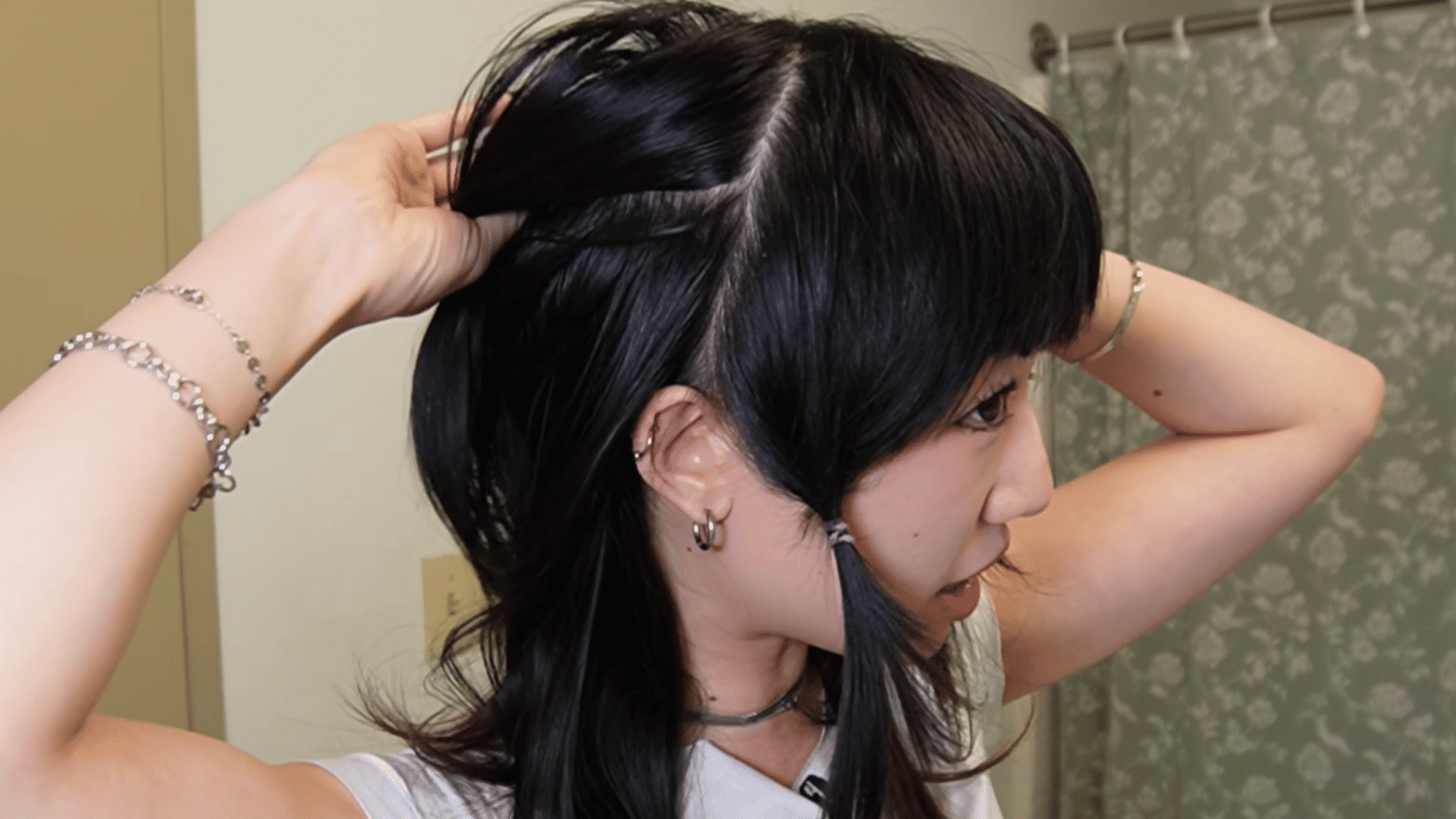
Proper sectioning is the foundation of a jellyfish haircut because it creates the separation between the shorter upper layer and longer lower section. Take your time to create clean sections before cutting.
Start by separating the front pieces from the back using the top of your head as a guide. Divide the back into sections and secure each part with clips or hair ties to keep the layers organized while cutting.
Step 3: Cut the Bottom Layer First
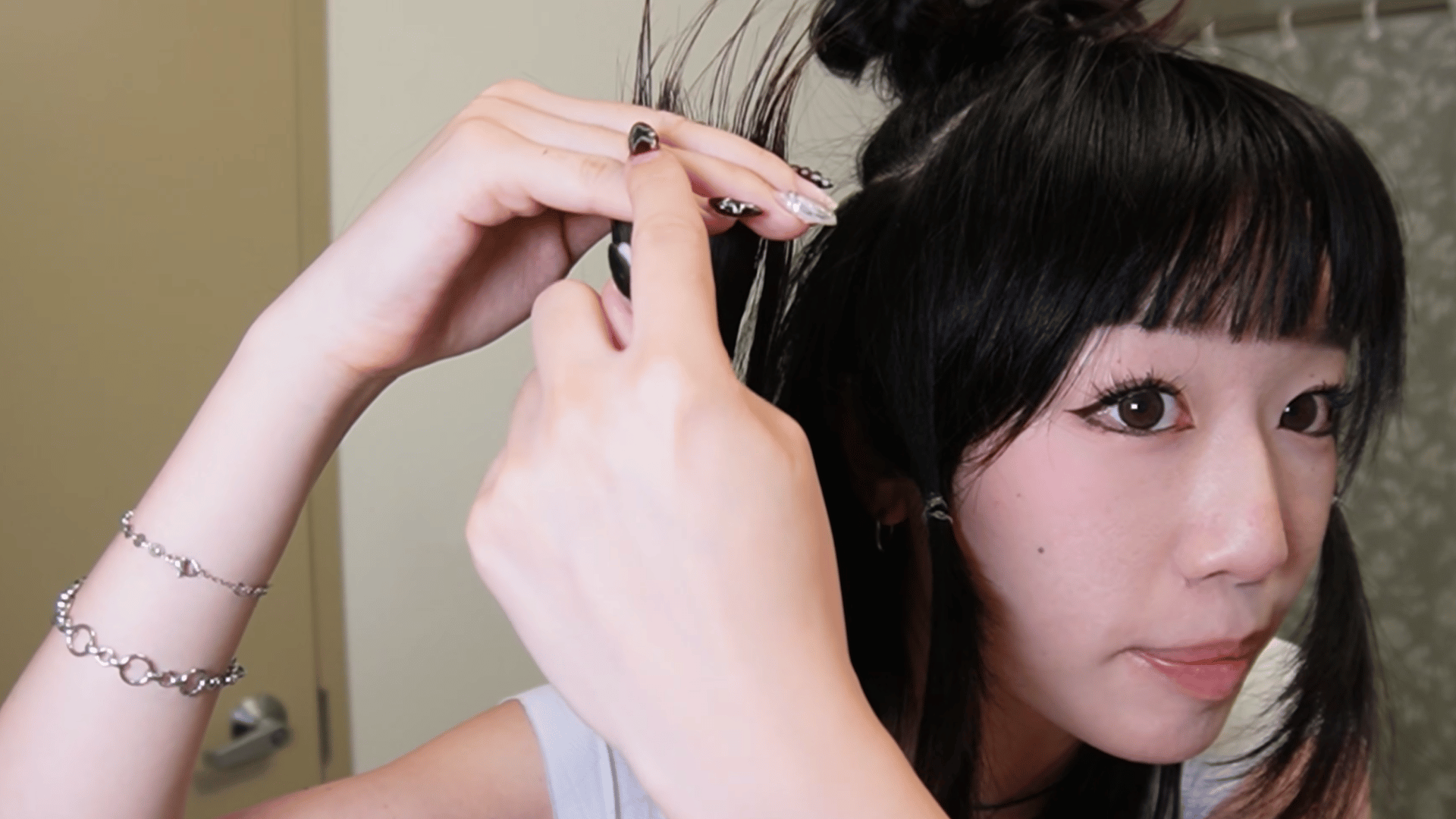
The bottom layer creates the length and movement that support the jellyfish haircut shape. Cutting this section first gives you a guideline for building the upper layers.
Take a middle section of hair, brush it upward at the same angle, and trim along your chosen length.
Continue with smaller sections, using the previously cut piece as your guide for a more even finish.
Step 4: Create the Shorter Upper Layer
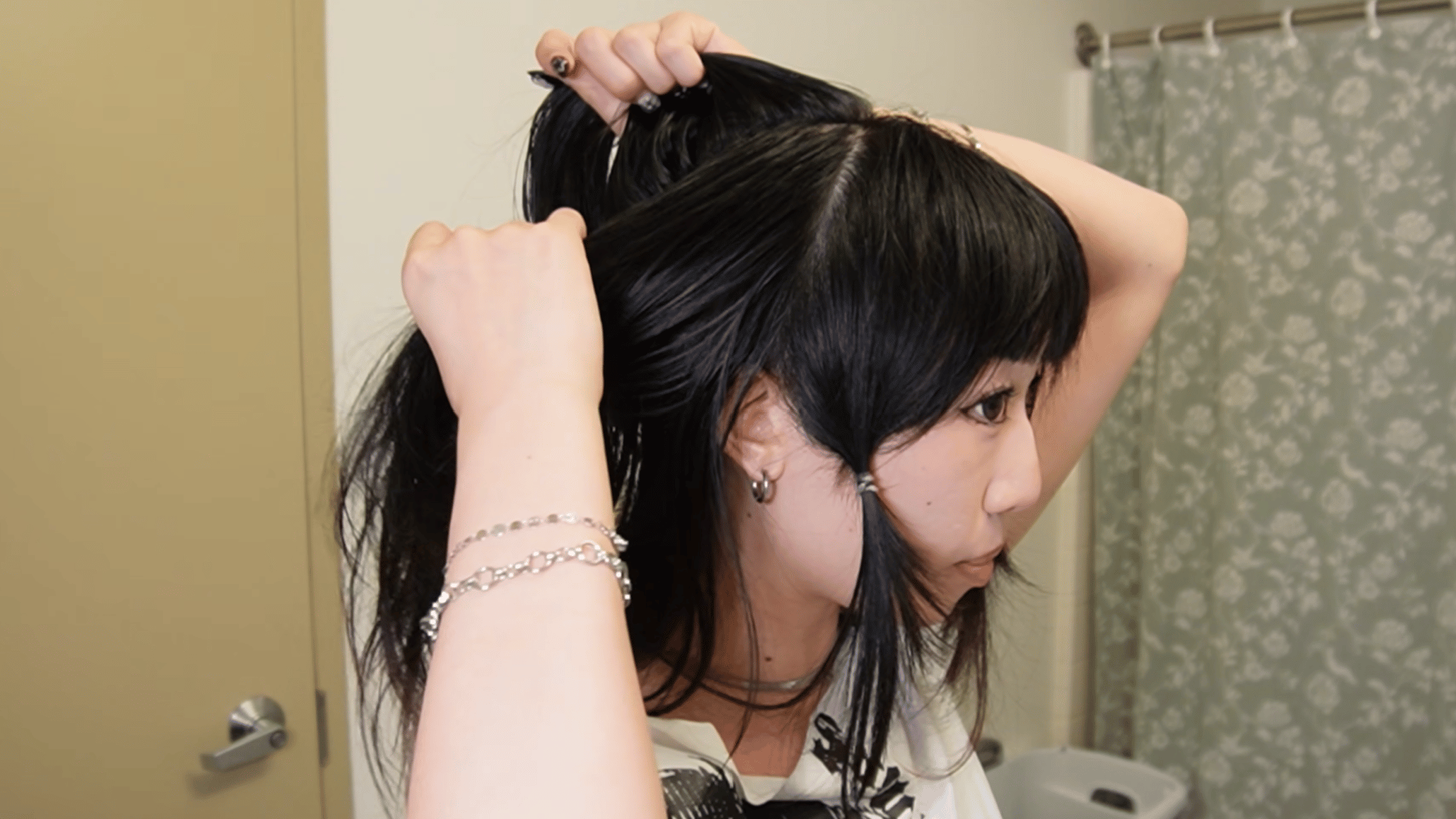
The shorter upper layer creates the signature rounded shape of the jellyfish haircut. This step determines how dramatic or subtle the final look will be.
Release the top section and use the lower layer as a guide. Lift smaller sections higher and trim the pieces that extend beyond the guideline to create shorter, rounded layers around the crown.
Step 5: Shape the Front Pieces and Face Framing
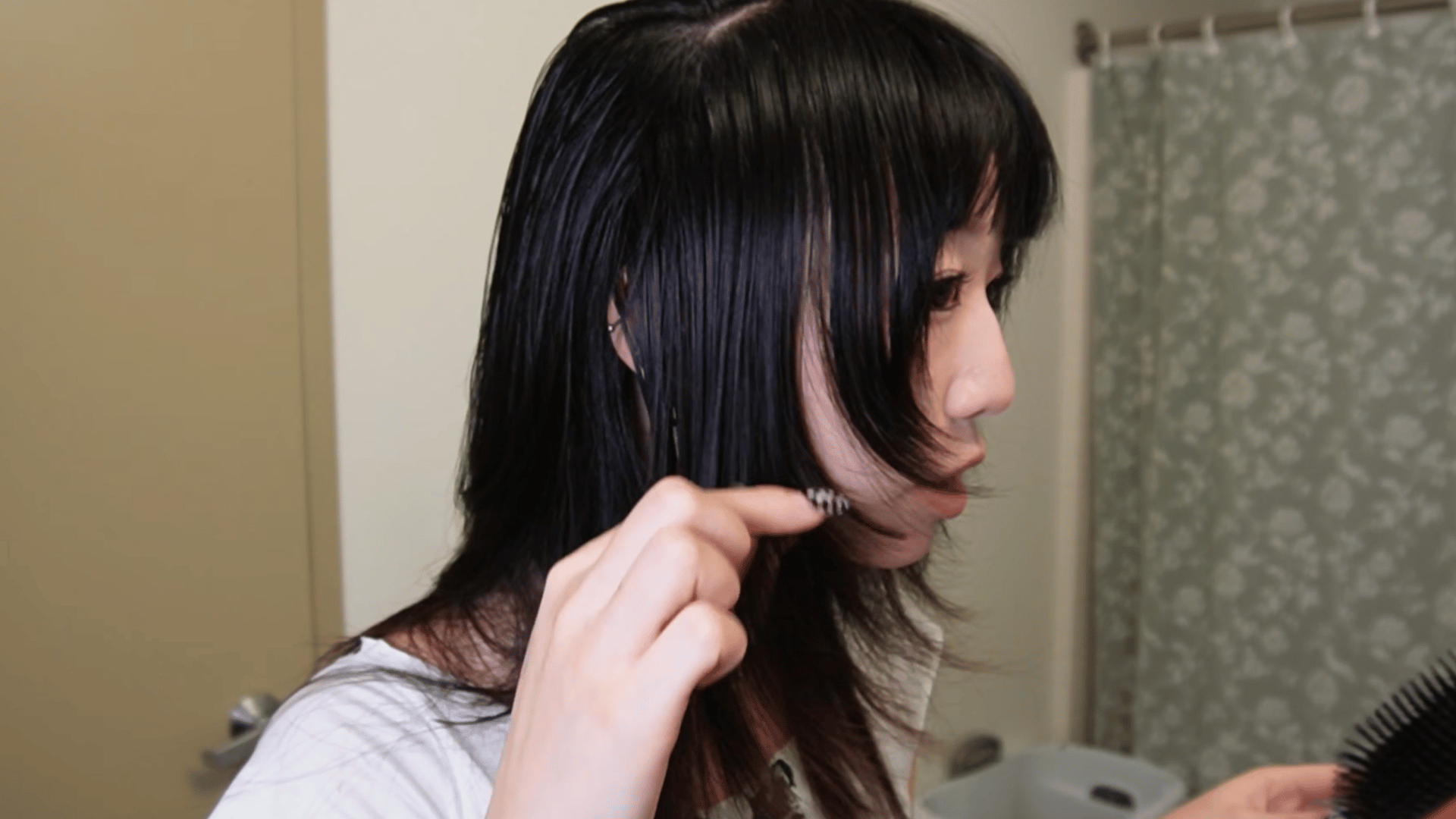
Face-framing pieces help connect the shorter upper section with the rest of the haircut. They can make the transition look smoother and more balanced.
Separate the front sections near your bangs or hairline, then trim them gradually at an angle. This creates softer pieces around the face instead of a harsh difference between the layers.
Step 6: Soften and Add Texture
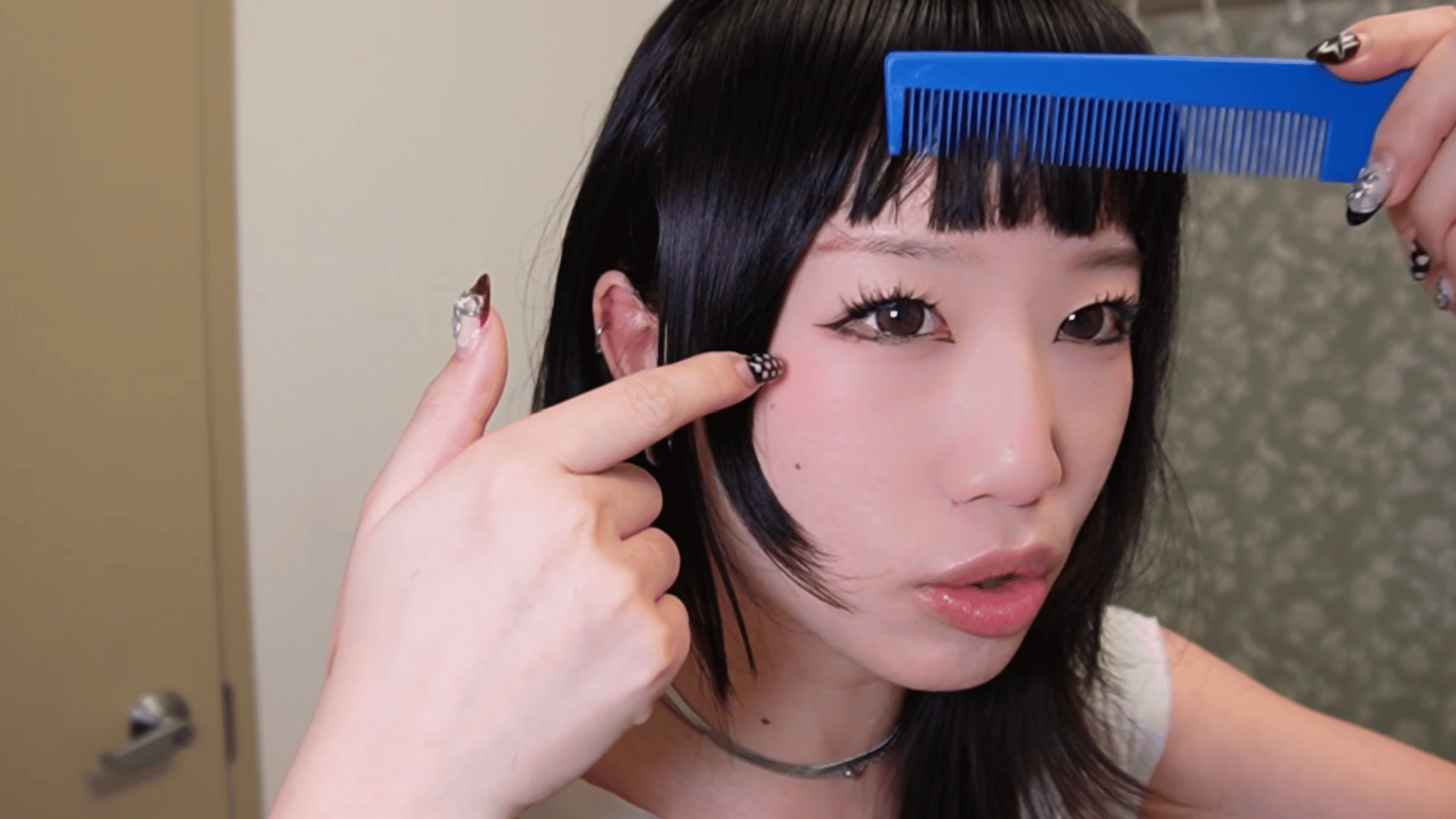
Adding texture can help remove heaviness and make the jellyfish haircut look more natural. This step is especially useful for thicker hair that feels bulky after layering.
Lightly point-cut the ends or use a razor to soften certain sections. Work slowly and remove small amounts at a time to avoid taking away too much hair.
Step 7: Check the Shape and Make Final Adjustments
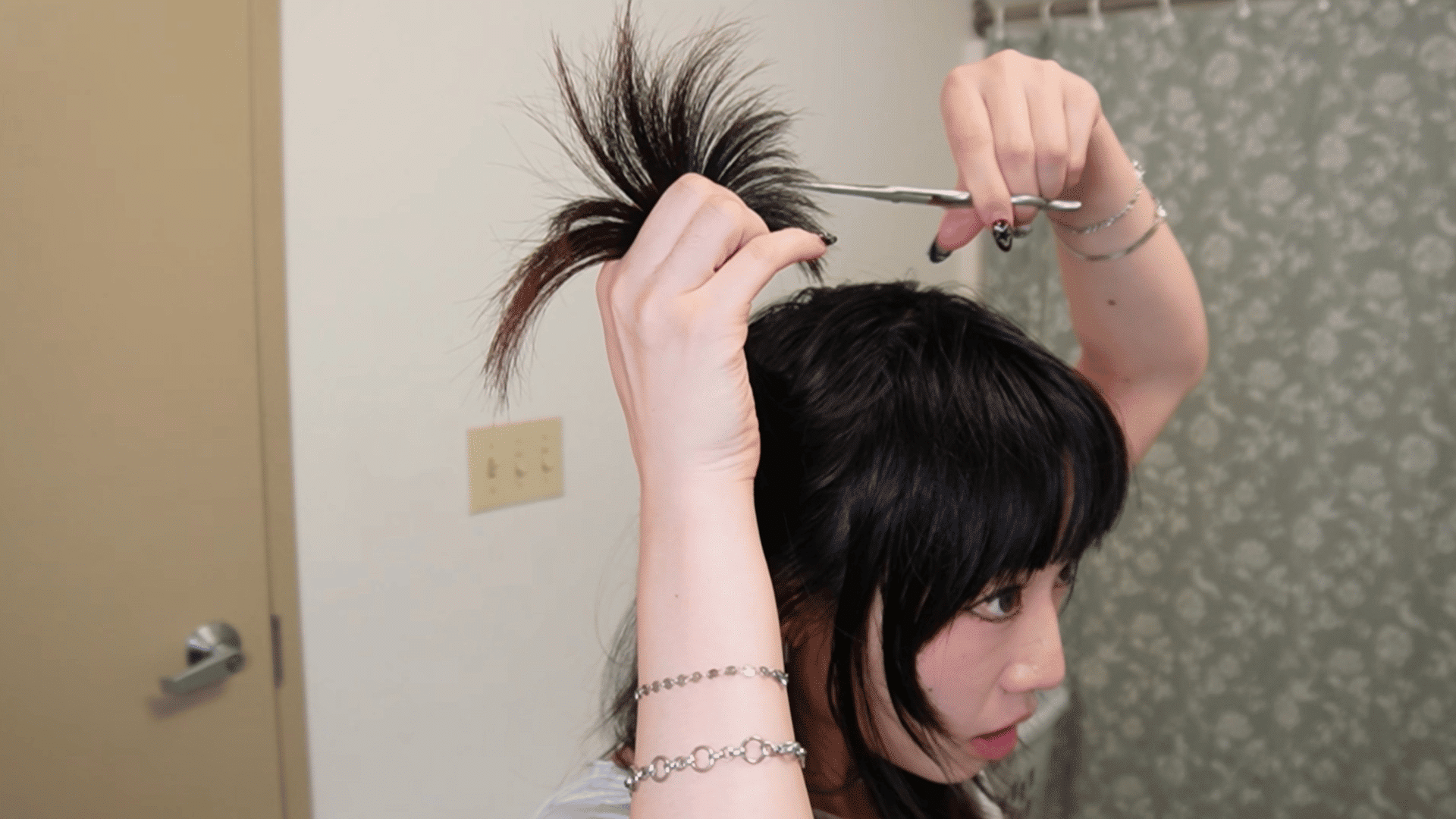
After completing the haircut, check the overall balance before making final changes. Small adjustments can help both sides look even and improve the way the layers fall.
Look at the upper section, lower length, and front pieces from different angles. Style your hair afterward to see how the jellyfish layers move naturally.
This tutorial is based on a helpful video by @meimazing. You can check out the original video here or below for a more detailed visual guide:
Jellyfish Haircuts for Different Hair Types
Hair texture can change how defined, soft, or voluminous a jellyfish haircut appears.
| Hair Texture | How the Jellyfish Haircut Looks | Styling Considerations |
|---|---|---|
| Straight Hair | Shows the two-tier structure clearly, with a crisp upper section and obvious length contrast. | Sleek styling and a blunt bob-like top can emphasize the clean separation. |
| Wavy Hair | Creates a softer, more relaxed shape with natural movement between the sections. | Letting the waves move naturally can make the transition feel less sharp. |
| Curly Hair | Adds fullness to the upper section and movement to the longer lengths for a softer silhouette. | Consider curl shrinkage when choosing tier lengths, ideally with a stylist experienced in cutting curls. |
How to Style a Jellyfish Haircut
Styling can highlight the haircut’s two distinct lengths while helping the shape look polished and balanced across different textures and everyday looks.
- Create a Sleek Finish: Apply heat protectant, straighten both sections, and curve the upper tier slightly inward to emphasize its rounded shape.
- Add Crown Volume: Blow-dry the shorter top section with a round brush while keeping the longer underlayer smoother for clearer contrast.
- Define Natural Texture: Use a lightweight curl cream or mousse on wavy or curly hair to enhance definition without weighing down the longer section.
- Try Flipped Ends: Turn the ends of the upper tier outward with a round brush or styling tool for a playful, more noticeable silhouette.
- Style the Bangs Separately: Shape blunt, curtain, or wispy bangs according to their cut so they sit neatly with the shorter upper section.
Jellyfish Haircut vs. Wolf Cut vs. Mullet vs. Hime Cut
The jellyfish, wolf, mullet, and hime cuts all combine shorter and longer sections, but their layering and overall shapes differ.
| Feature | Jellyfish Haircut | Wolf Cut | Mullet | Hime Cut |
|---|---|---|---|---|
| Top section | Bob-like or rounded | Shaggy and textured | Shorter on top and front | Shorter face-framing pieces |
| Lower section | Clearly longer | Layered throughout | Longer toward the back | Long and usually straight |
| Overall shape | Two distinct tiers | Tousled and layered | Short-to-long | Structured face framing |
| Main feature | Contrasting short and long sections | Choppy texture and movement | Longer back section | Blunt cheek or jaw-length side pieces |
| Best for | Strong length contrast | Soft, messy texture | Edgy length variation | Defined face framing |
If you like the idea of mixing lengths but want something shaggier and more blended, a wolf cut or a gothic mullet from our edgy hairstyle roundup might suit you better
How to Get a Soft Jellyfish Haircut?
A soft jellyfish haircut keeps the signature two-tier shape but trades sharp separation for a gentler, easier-to-style everyday version.
- Keep the Upper Tier Longer: Choose a longer top section so the difference between the two lengths feels softer and less dramatic.
- Add Face-Framing Layers: Cut gentle pieces around the face to connect the shorter top with the longer hair more naturally.
- Choose Wispy Bangs: Light bangs blend into the upper section better than a heavy blunt fringe and help soften the overall shape.
- Texture the Ends: Point-cut or lightly texture the ends instead of keeping them completely blunt to reduce hard lines between the sections.
- Round the Upper Edges: Ask your stylist to soften the perimeter of the top section rather than creating a sharp geometric edge.
Is a Jellyfish Haircut Right for You?
Yes, a jellyfish haircut may suit you if you want to keep your overall length while adding a noticeably shorter shape on top.
Its two-tier structure works especially well if you like bob-inspired cuts but are not ready to lose your longer hair.
You can keep the separation between the layers sharp for a bolder finish or choose softer face-framing pieces and a longer upper tier for a gentler look.
The haircut also works with straight, wavy, and curly textures. Just keep in mind that the shorter top section needs regular trims to maintain its shape.
Conclusion
For me, the jellyfish haircut stands out because you do not have to choose between going short and keeping your length.
I especially like how the same two-tier shape can feel bold with sharp separation or softer with wispy bangs, natural texture, and gentler layers.
If you are thinking about getting this cut, save a few reference photos that match your hair texture and decide how dramatic you want the contrast before visiting your stylist.
Would you try a jellyfish haircut, or is the softer version more your style? Share your favorite look in the comments.
Frequently Asked Questions
Is a Jellyfish Haircut Hard to Maintain?
Yes, a jellyfish haircut can require moderate maintenance, especially if you want to keep the short upper section and longer lower tier clearly defined.
Is a Jellyfish Haircut Worth Trying?
Yes, especially if you like contrasting lengths while keeping some of your hair long. You can choose a bold or softer version to match your personal style.
How Long Does Your Hair Need to Be for a Jellyfish Haircut?
There is no fixed hair length required, but you need enough length to create two visible tiers. Medium or long hair usually provides clearer contrast.
Can a Jellyfish Haircut Be Tied into a Ponytail?
Yes, but shorter upper layers may fall out depending on their length. Hair clips or pins can help secure those shorter pieces.