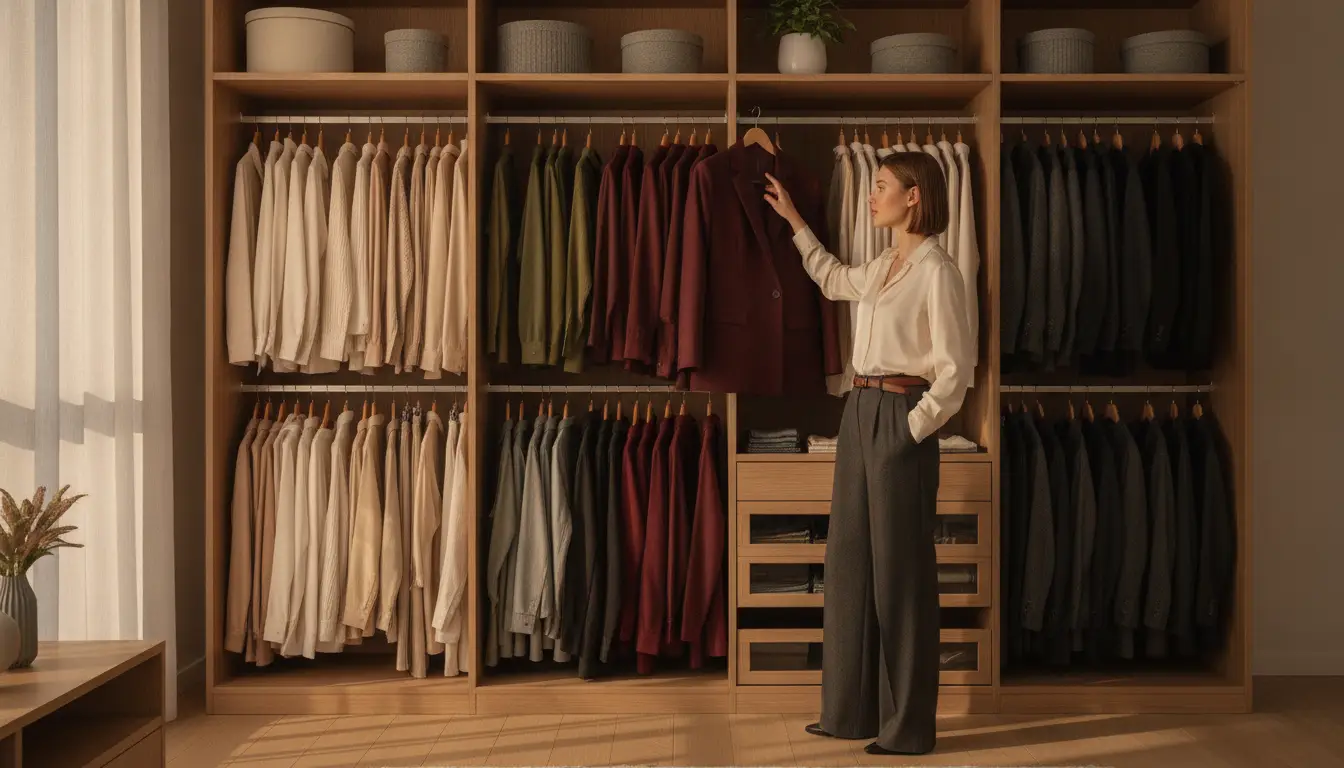
Building a wardrobe that genuinely feels like you is less about following every new trend and more about understanding what you actually enjoy wearing. A well-planned wardrobe should make getting dressed easier, reflect your personality and give you plenty of outfits that feel comfortable and confident.
Whether your style is classic, casual, colourful, minimalist or constantly evolving, creating a wardrobe around your own preferences can help you avoid impulse purchases and make better choices when shopping.
Start by Understanding Your Personal Style
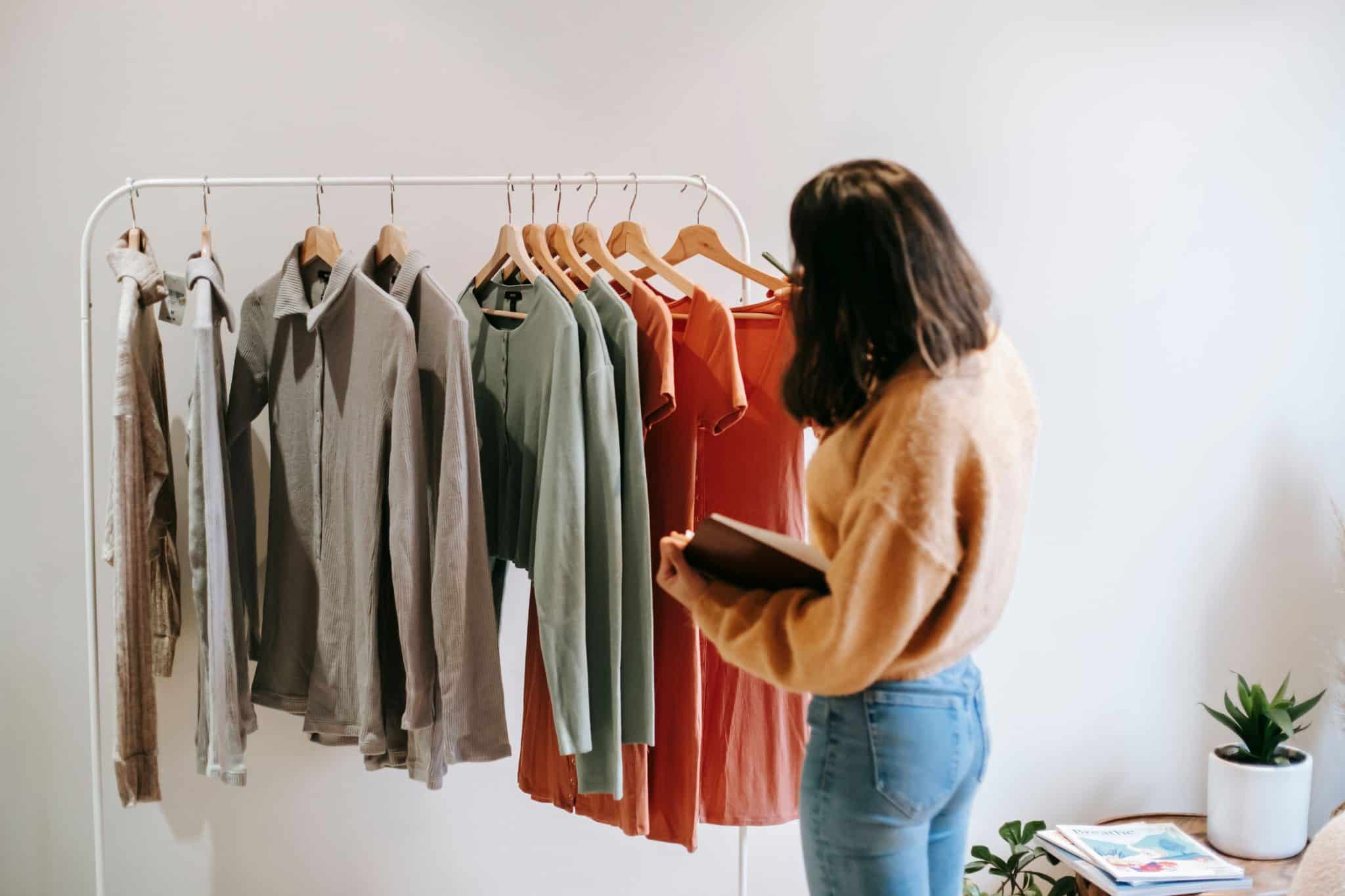
Before buying anything new, take some time to think about the clothes you already own. Which outfits do you reach for most often? Which pieces make you feel particularly confident? Are there certain colours, fabrics or silhouettes that appear again and again?
Your personal style might not fit neatly into one category. You could love classic tailoring but also wear oversized jumpers and trainers at the weekend. You might prefer neutral basics but enjoy adding a bold accessory now and then.
Try creating a small collection of outfit photos or save images from fashion websites and social media that appeal to you. After a while, you’ll probably notice patterns. These can give you useful clues about the direction you want your wardrobe to take.
Have a Clear-Out Before You Shop
It is difficult to build a wardrobe that reflects your current style when it is filled with clothes that no longer suit you.
Go through your wardrobe and separate your clothes into a few simple categories: things you wear regularly, occasional pieces, items that need repairing and clothes you never reach for. Be honest about the last category. Keeping something simply because you spent money on it doesn’t make it useful.
This doesn’t mean you need to throw everything away. Some pieces may become favourites again after a small alteration or repair. Others might be better donated or passed on.
The aim is to create space for clothes that fit your lifestyle now, rather than holding onto an old version of yourself.
Choose a Colour Palette
Having a loose colour palette can make putting outfits together much easier. Start by identifying the colours you naturally gravitate towards.
Neutral shades such as black, white, navy, grey, beige and brown can form the foundation of a versatile wardrobe. From there, you can introduce colours that you particularly enjoy, whether that’s burgundy, green, pink, blue or something more unexpected.
You don’t have to restrict yourself to a strict palette. Think of it more as a guide. If most of your wardrobe works together naturally, you’ll have more opportunities to mix and match without feeling as though you need something new for every outfit.
Invest in Quality Wardrobe Staples
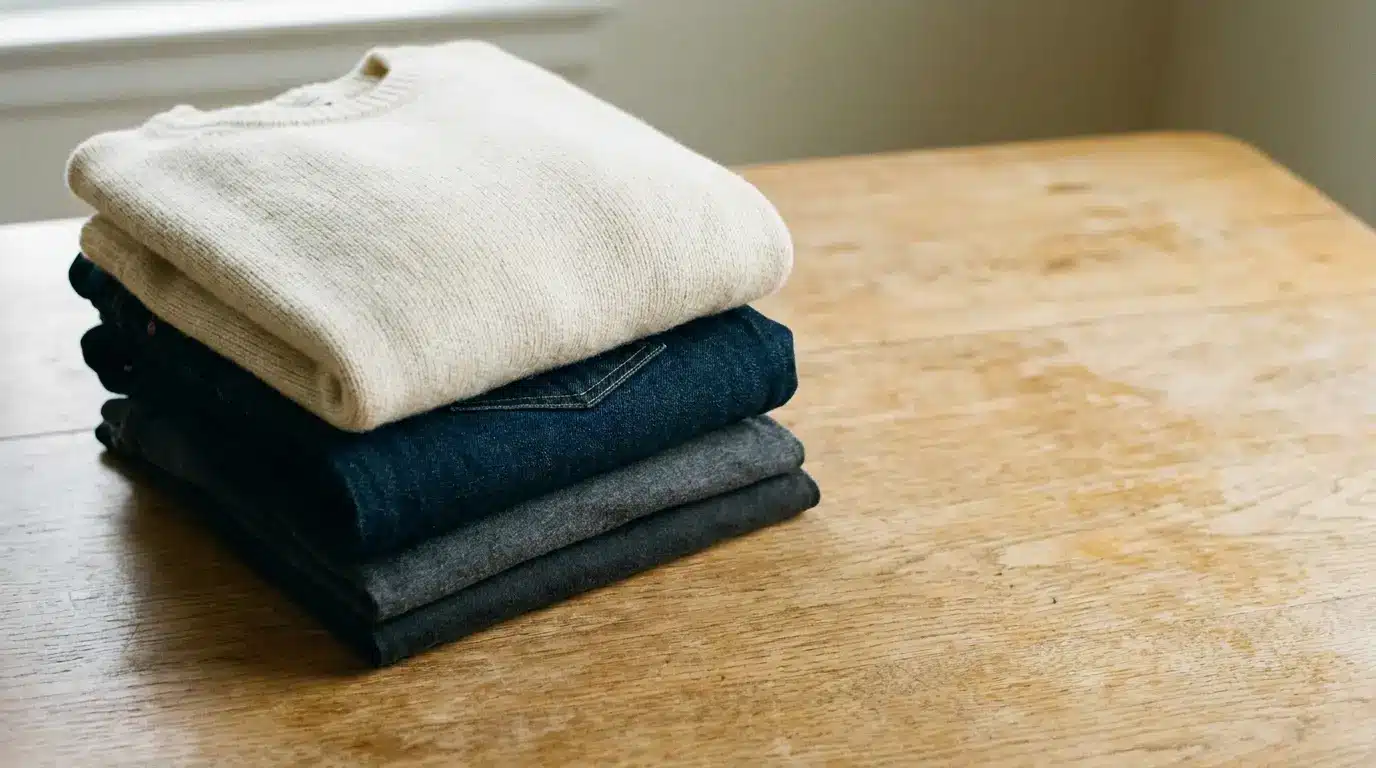
Trends can be fun, but reliable basics are what make a wardrobe work day after day.
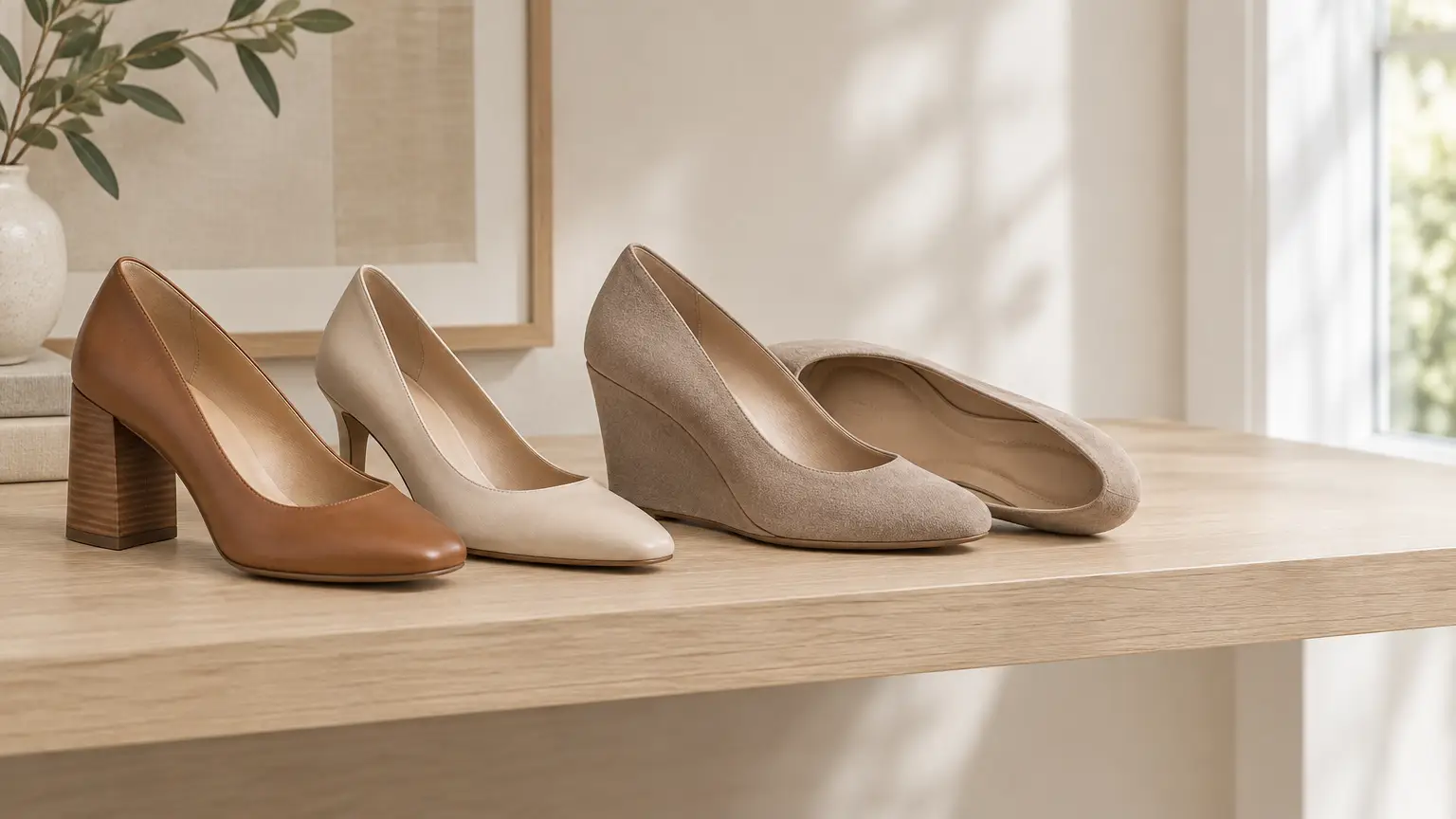
Consider investing in pieces such as a well-fitting pair of jeans, a versatile jacket, comfortable knitwear, plain T-shirts, a smart shirt and shoes that work with several different outfits. The exact list will depend on your lifestyle.
For someone working in an office, tailored trousers and smart layers might be essential. Someone who works from home may get much more use from comfortable trousers, knitwear and casual tops.
Quality doesn’t always mean expensive. The important thing is choosing items that are comfortable, practical and likely to be worn frequently.
Add Pieces That Show Your Personality
Once you’ve established your basics, you can have more fun with your wardrobe. Personality often comes through in the details.
This could mean statement jewellery, unusual prints, vintage finds, colourful trainers or a favourite jacket. Even something as simple as a personalised embroidered t shirt can give an otherwise casual outfit a distinctive touch.
Don’t worry about whether every item is currently fashionable. If you genuinely love a piece and it works with the rest of your wardrobe, that’s a much better reason to wear it.
Think About Your Lifestyle
One of the biggest mistakes people make when building a wardrobe is buying clothes for an imaginary lifestyle.
It is easy to buy beautiful formal dresses when you rarely attend formal events, or fill your wardrobe with office wear when your job is mostly casual. Instead, think about what you actually do during a typical week.
Consider your work, social life, hobbies, holidays and weekends. If most of your time is spent in relaxed settings, your wardrobe should reflect that.
The best wardrobe isn’t necessarily the most impressive one. It is the one that works for your everyday life.
Learn What Fits You Well
Personal style isn’t just about colours and trends. Fit can completely change how an outfit looks and feels.
Pay attention to which cuts make you feel comfortable. Perhaps you prefer high-waisted trousers, oversized shirts, fitted tops or relaxed jackets. There isn’t a universally correct choice.
If something is almost right but not quite, consider having it altered. A small adjustment to a sleeve, trouser length or waist can make a surprising difference.
It’s also worth remembering that clothing sizes aren’t consistent between brands. Don’t become too focused on the number on a label. How a garment actually fits you is far more important.
Create Outfit Combinations
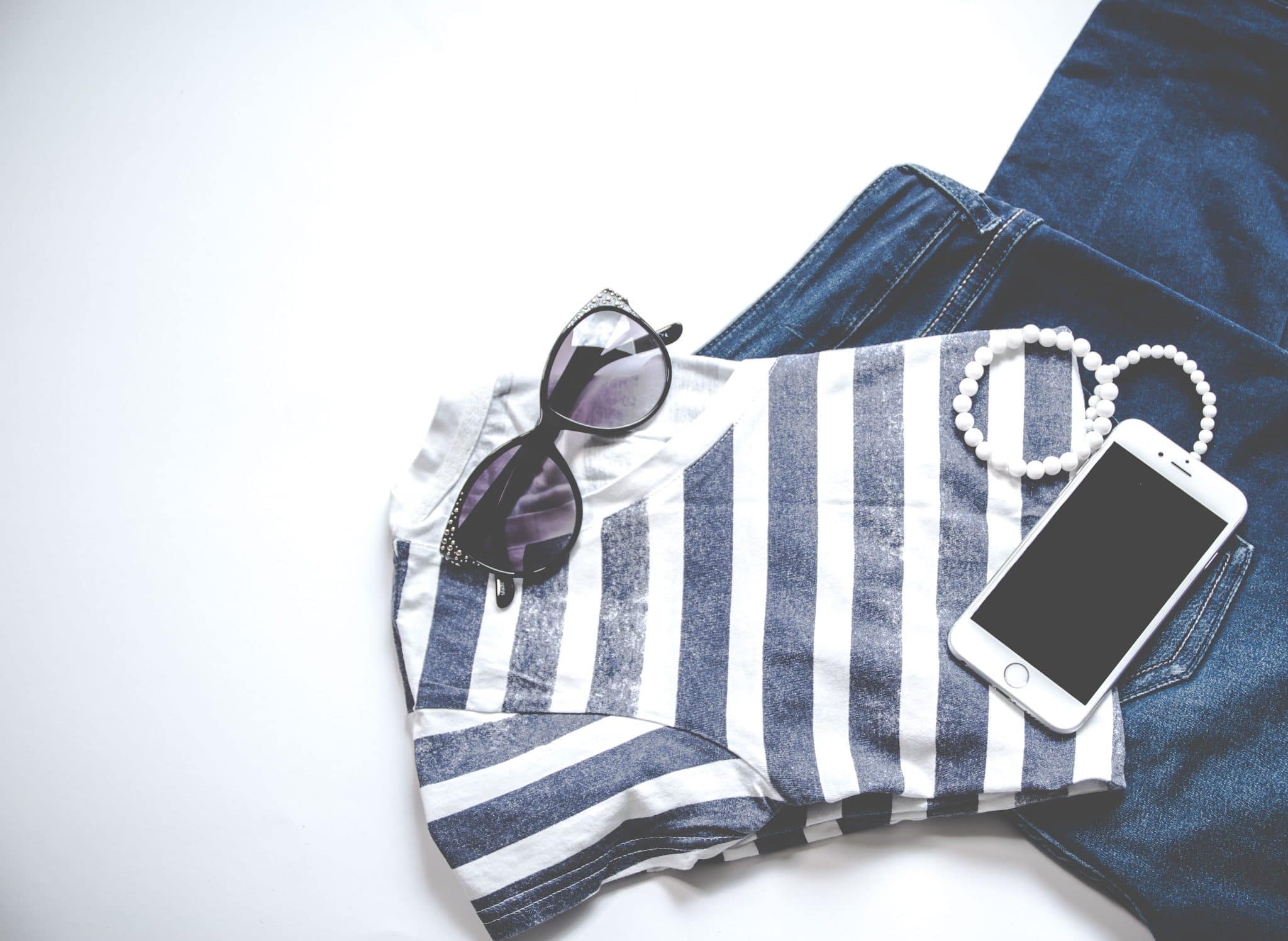
A wardrobe becomes much more useful when you know how your clothes work together.
Try putting together several complete outfits using pieces you already own. Take note of combinations you particularly like and identify which items appear repeatedly.
For example, one pair of trousers might work with a T-shirt and trainers for a casual weekend outfit, then look completely different with a blouse, blazer and loafers.
This approach helps you see the potential in your existing clothes and can also show you what is missing. Instead of buying something simply because you like it, you’ll know whether it fills a genuine gap.
Don’t Be Afraid to Experiment
Personal style isn’t something you need to figure out once and stick with forever. Your tastes will naturally change as your lifestyle, interests and confidence develop.
Try something outside your usual choices occasionally. Wear a colour you normally avoid or combine two pieces in a way you haven’t tried before. You may discover a new favourite look.
At the same time, don’t feel pressured to change simply because a particular trend is everywhere. Fashion should be enjoyable rather than a set of rules you have to follow.
Shop With Intention
Once you have a better understanding of your style, shopping becomes much easier. Before purchasing something, ask yourself a few questions.
Will I actually wear this? Does it work with clothes I already own? Is it comfortable? Does it suit my lifestyle? Would I still want it if it wasn’t currently fashionable?
If the answer to most of these questions is yes, it is probably a worthwhile addition. If you’re struggling to imagine when or where you’ll wear something, it may be better left in the shop.
This mindset can also help reduce unnecessary spending and prevent your wardrobe from becoming overcrowded.
Let Your Wardrobe Evolve Naturally
Building a personal wardrobe is an ongoing process rather than a one-time project. You don’t need to replace everything at once or completely reinvent your appearance.
Start with what you already have, identify what works and gradually introduce pieces that feel more representative of you. Over time, you’ll develop a collection of clothes that feels cohesive without being boring.
Most importantly, remember that personal style is exactly that: personal. The goal isn’t to create a wardrobe that looks like someone else’s. It’s to create one that makes you feel comfortable, confident and like yourself whenever you open the wardrobe door.