The seasonal wardrobe is one of the least useful ideas in fashion. Four times a year you are told what is in, you buy accordingly, and twelve months later most of it feels dated. The clothes were never really the problem. The organising principle was.
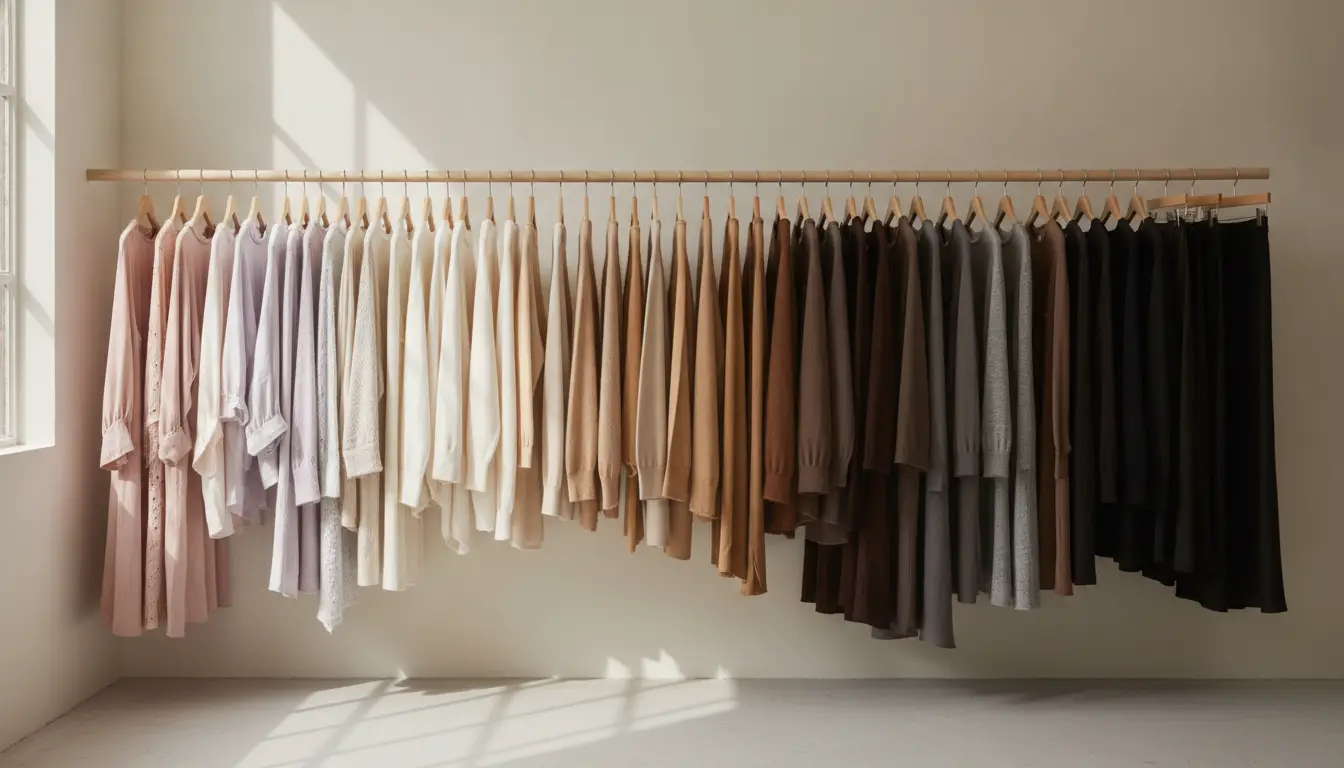
A more durable approach is to build around a colour story instead. Pick a palette that genuinely suits you, buy within it, and let the pieces accumulate into something coherent. It sounds restrictive and turns out to be the opposite, because everything you own works with everything else.
Why Palette Beats Trend
The practical argument is arithmetic. A wardrobe of twenty pieces in a coherent palette produces vastly more workable outfits than thirty pieces bought across four unrelated seasonal drops. Every item multiplies rather than sits alone waiting for the two things it happens to match.
The aesthetic argument is that a consistent palette reads as intention. People rarely notice individual garments. They notice whether someone looks put together, and coherence is doing most of that work.
The financial argument follows from both. Buying within a palette makes it obvious when a purchase is redundant, which is the single most effective brake on accumulating clothes you do not wear.
Choosing Your Palette
Start with what you already reach for. Go through the pieces you wear weekly and note the colours. Most people find they have already been building a palette unconsciously and simply undermining it with occasional purchases that do not fit.
Then consider undertone. Cool complexions tend to work with blues, greys, true whites, and cool pinks. Warm complexions work with creams, browns, olives, and warm reds. This is not a rule so much as a starting point, and the fastest way to test it is to hold garments up in daylight and see which ones make you look tired.
Finally, decide how much contrast you want. High contrast palettes, such as black against white, read as sharp and deliberate. Low contrast palettes, such as cream against beige, read as soft and expensive. Neither is better, but mixing the two approaches in one outfit is where most looks go wrong.
Three Palettes That Work
Soft and pastel. Blush, cream, lavender, mint, and pale blue, anchored with white. This palette has driven some of the most distinctive style movements of the past few years, particularly in alternative and gender-fluid fashion where pastel femboy outfits have become a recognisable aesthetic in their own right. The trick with pastels is grounding them. An all-pastel look can float; one darker element, whether grey legwear or black shoes, gives the eye somewhere to land.
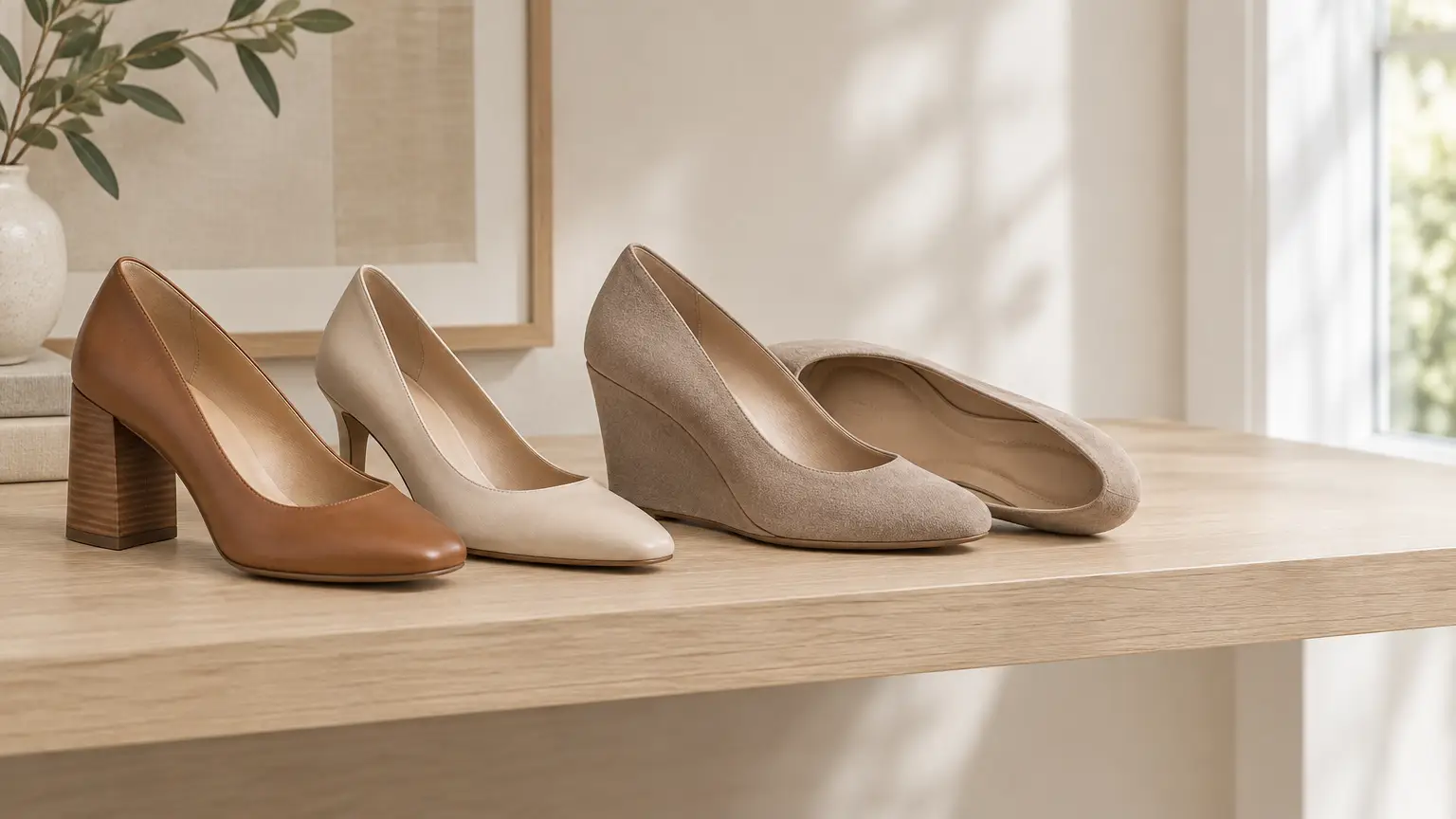
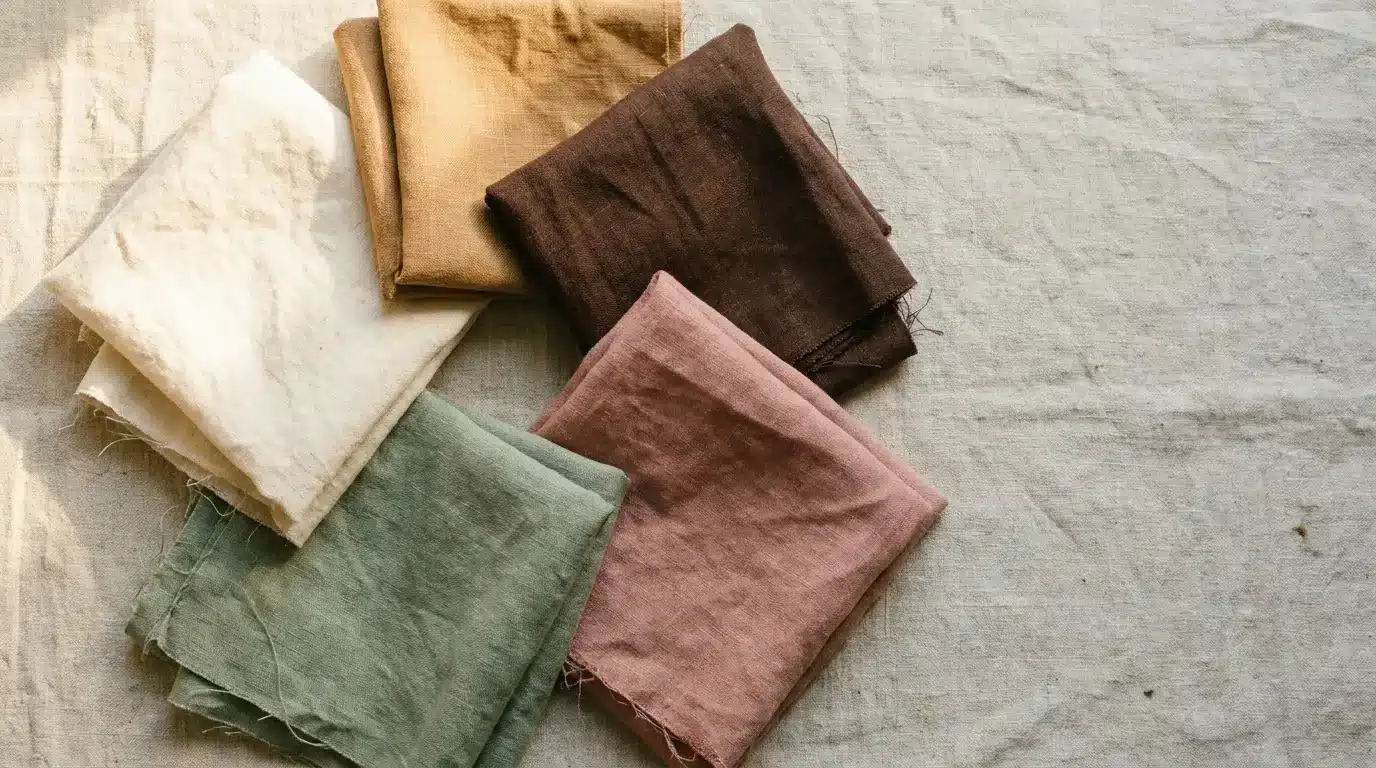
Warm neutral. Cream, camel, chocolate, sage, and dusty rose. The most quietly versatile of the three, and the easiest to wear in professional settings. Because everything shares a warm base, coordination is almost automatic.
High contrast dark. Black as the foundation with one disciplined accent, whether deep red, silver hardware, or stark white. Matching is trivial here, so the skill becomes texture. Mix matte with sheen, knit with leather, opaque with mesh, or the whole look flattens.
Making It Work in Practice
Two rules carry most of the weight.
First, repeat every accent at least twice. One pink item in an otherwise neutral outfit reads as accidental. Pink appearing in two places reads as styled. This costs nothing and is the fastest available upgrade to any look.
Second, treat metals as colours. Silver belongs with cool palettes, gold with warm ones. Mixing them across a single outfit is the most common clash that people sense without being able to name.
Beyond that, apply one filter to every purchase: does this work with at least three things I already own? If not, you are buying an orphan, however good it looks on the hanger.
The Longer Game
A wardrobe built this way improves rather than expires. Each new piece slots into an existing system instead of sitting in isolation, and the whole thing becomes more useful the longer you maintain it.
That is the real argument against seasonal dressing. It asks you to start over four times a year. A colour story asks you to build once and keep going.