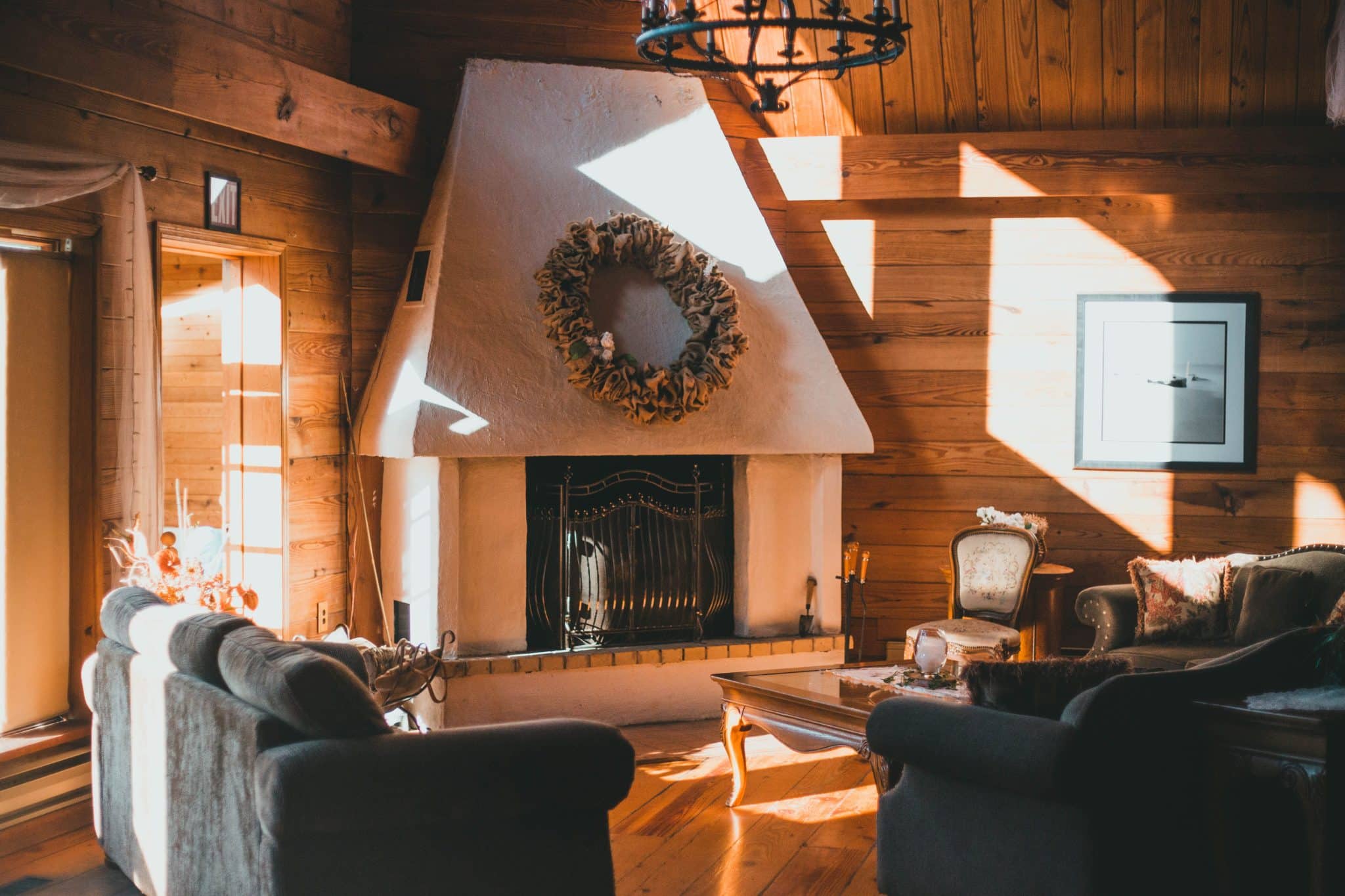
As winter sets in, preparing your home means much more than simply turning up the thermostat. Colder weather fundamentally changes how your living space feels and functions indoors. Suddenly, small drafts become much more noticeable, natural light decreases, and certain rooms may feel inherently colder despite what the thermostat says.
In many homes, heating systems run more frequently during colder weather, while shorter days and lower outdoor temperatures shift more attention toward indoor comfort. By making a series of simple interior, decor, and home-environment updates, you can transform your everyday spaces. These adjustments can make your rooms feel warmer, more inviting, and better suited to the realities of winter.
1. Seal Drafts Around Windows and Doors
Small drafts can make otherwise comfortable rooms feel remarkably cold. When winter air leaks into a home, it creates a chill that makes you feel cold even when the heating is on. Start by checking window and door edges for noticeable air leaks. Replace worn weatherstripping where appropriate to stop the bulk movement of cold air.
Use door sweeps where cold air enters beneath exterior doors, and seal appropriate gaps around window frames. Pay particular attention to bedrooms and living spaces where you spend the most time. Once your frames are sealed, you can add another layer of winter comfort through thoughtful window treatments.
2. Use Curtains and Window Treatments to Hold In Warmth
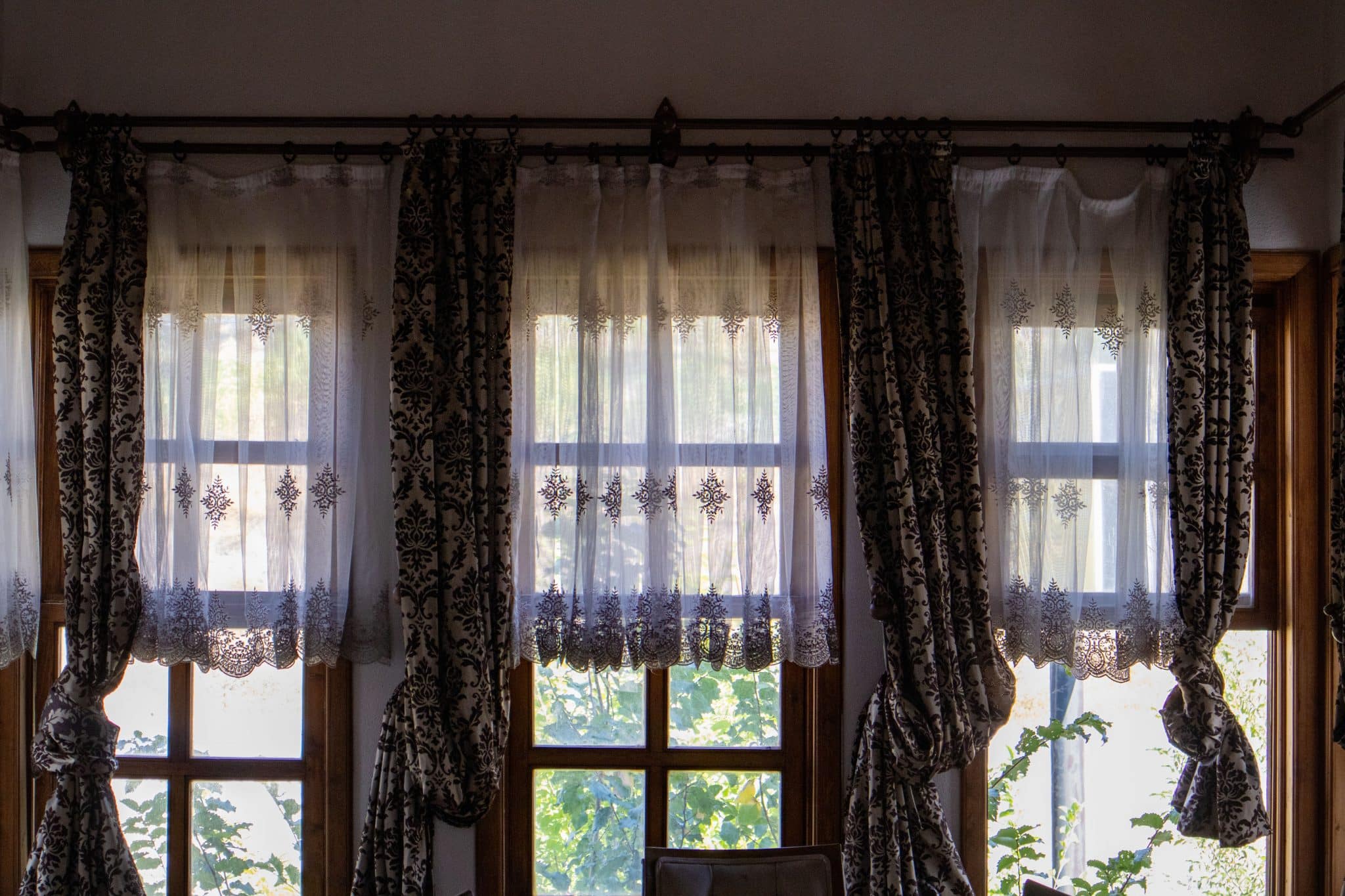
Winter comfort connects directly with interior design. Heavier curtains, insulated drapes, or other energy-efficient window coverings can reduce heat loss through windows and make areas near cold glass feel more comfortable. Cellular shades can also trap air within their honeycomb structure and between the shade and window, improving insulating performance.
During winter, open window coverings on sunny windows when useful to take advantage of solar warmth, then close them later in the day or at night to reduce heat loss. Treat this as a design upgrade: choose fabrics and colors that complement the existing room rather than treating winter preparation as purely functional.
3. Layer Rugs, Throws and Soft Furnishings for a Cozier Interior
Seasonal textiles immediately change both how a room looks and how it feels. Start by adding area rugs on hardwood, tile, or other hard flooring to provide physical comfort and warmth underfoot. Next, drape soft throws on sofas and reading chairs to soften the room’s atmosphere. Swap out lightweight pillows for heavier cushions and textured fabrics, and introduce layered bedding in bedrooms.
Always clean stored winter textiles before bringing them back into regular use. A simple airing out can refresh slightly stale blankets, while musty items require a full wash. Focusing on these soft furnishings enhances the seasonal atmosphere without requiring major renovations.
4. Rearrange Furniture to Improve Warmth and Airflow
Furniture placement can affect both winter comfort and how effectively heat moves through a room. Avoid placing large sofas, beds, cabinets, or heavy curtains where they block supply vents, return vents, radiators, or other heat-distribution components, and follow any clearance requirements specified for your heating equipment.
When possible, move frequently used seating away from especially drafty windows or cold exterior surfaces while keeping heat sources unobstructed.
5. Create a More Comfortable Indoor Humidity Level

Winter comfort is affected by much more than temperature alone. Indoor air often becomes drier during winter because cold outdoor air contains relatively little moisture, and its relative humidity drops further when that air enters the home and is heated. Maintaining moderate indoor humidity can improve comfort during dry winter conditions.
EPA generally recommends keeping indoor relative humidity below 60%, ideally around 30% to 50%, although lower settings may be necessary during very cold weather if condensation develops on windows or other cold surfaces. Depending on their existing setup, homeowners may use portable units for specific rooms or rely on whole-house humidification.
Anyone with an existing whole-house humidifier should inspect it before sustained winter use and follow the manufacturer’s maintenance instructions. Depending on the model, the replaceable component may be called a water panel, evaporator pad, or filter, and mineral deposits can accumulate as water evaporates.
Checking the unit and replacing worn humidifier filters or water panels when recommended can help the humidifier maintain its intended moisture output. Choose a replacement that matches the humidifier’s specific brand and model.
6. Adjust Lighting for Darker Winter Days
Winter inherently means fewer daylight hours and potentially darker interiors. To create a warmer and more inviting atmosphere without a complete lighting renovation, avoid relying on one bright overhead fixture. Instead, layer ambient, task, and accent lighting to add depth.
Bring illumination down to a human scale by considering table lamps and floor lamps for frequently used areas. Make reading corners and workspaces comfortable during darker afternoons and evenings with targeted light. During the day, use thoughtful furniture placement and position mirrors where they can reflect available daylight into darker parts of the room.
7. Refresh Bedrooms for Colder Nights
Treat bedrooms as one of the most important spaces to prepare seasonally, as a comfortable environment is crucial for restful sleep. Start by changing to seasonally appropriate bedding. Add layers of soft blankets and quilts that can be removed or adjusted easily if you become too warm during the night.
Large windows and poorly insulated exterior surfaces can make nearby areas feel colder even when the room’s air temperature is comfortable. To combat this, check for drafts around bedroom windows. When the room layout allows, move beds away from particularly cold exterior walls or large glass panes.
Make sure beds and other bedroom furniture do not obstruct heating vents or returns. Finally, add a bedside rug or soft flooring layer where appropriate so you step onto a warm surface in the morning. Keeping your focus on physical comfort and thoughtful interior arrangement transforms a chilly bedroom into a restorative winter sanctuary.
8. Improve Entryways for Wet and Muddy Weather

Practical organization in your entryway can beautifully complement your interior design while protecting your home. Wet or snowy winter weather can bring moisture, dirt, and debris indoors, potentially damaging hardwood and other moisture-sensitive flooring. To protect surrounding flooring from tracked-in moisture and dirt, use a highly absorbent indoor mat or runner designed to trap debris.
Create dedicated space for winter coats, shoes, umbrellas, and bags. Add hooks, woven baskets, benches, or other storage where appropriate to contain the clutter. Keep the area visually organized rather than allowing bulky winter gear to overwhelm the entrance. This functional approach reinforces your home’s interior elegance while managing the messy realities of the colder season.
9. Give Your Most-Used Rooms a Seasonal Reset
As a final step, look at the living room, bedroom, kitchen, and other high-use spaces as a whole. Take time to intentionally remove clutter that interferes with how the room functions; limiting unnecessary items reduces visual clutter and can make the room feel more open.
Clean rugs and upholstery where needed to remove trapped dust and stale odors. Rotate or replace lightweight seasonal accessories with items that offer richer textures and warmer tones.
Check whether your current furniture placement still works for your winter activities and indoor routines. By stepping back, you can bring together your improvements in lighting, layered textiles, warmth, airflow, and entryway organization into one cohesive flow.
Preparing a home for winter does not require a major redesign or expensive renovations. Ultimately, a series of thoughtful interior and home-environment adjustments can make your everyday spaces feel noticeably more comfortable, warm, and inviting throughout the colder season.