
Street art brings the pulse of public spaces into private rooms. Bold marks, layered symbols, and expressive figures can give a wall real character. A personal collection can also reflect taste, memories, and cultural interests. Each chosen work becomes part of the atmosphere around it.
A street art painting calls for careful thought because each work carries its own voice. Color, subject, technique, and origin shape the experience of living with urban art. The home setting also affects how the colors and details feel. The right process can turn an exciting find into a meaningful part of the home.
Define a Clear Personal Style
Personal taste offers a useful starting point for any collection. Some collectors enjoy sharp lettering, vivid portraits, or playful characters. Others feel drawn to abstract forms, social themes, or muted color fields. A simple list of favorite themes can make the search more purposeful.
A room’s character also helps guide the choice. Minimal interiors can support one bold canvas with clean lines and open space. Eclectic rooms can hold layered work filled with symbols, texture, and rich color. Shared tones can link the art to rugs, cushions, or nearby objects.
Learn About the Artist and the Story
An artist’s background can add depth to an urban artwork. Cultural roots, local influences, and creative goals may appear in repeated signs or figures. These details can create a stronger bond between the collector and the piece. A familiar place or theme may add personal relevance as well.
Artist statements, exhibition notes, and interviews can reveal helpful context. A symbol may represent identity, freedom, community, or personal history. That knowledge gives the artwork a richer place within a private collection. It can also explain details that seem subtle at first glance.
Review Technique and Materials
- Primary Medium: Check for spray paint, acrylic, ink, marker, collage, or mixed media. Each material gives the surface a distinct texture and finish.
- Surface Quality: Look at the canvas, wood panel, paper, or found material. A stable surface supports clear detail and careful display.
- Protective Finish: Ask about varnish, sealant, or framing glass. Proper protection helps preserve color and surface texture.
- Care Needs: Learn the best conditions for light, humidity, dusting, and storage. Clear care details support the artwork inside the home.
Match the Size to the Space
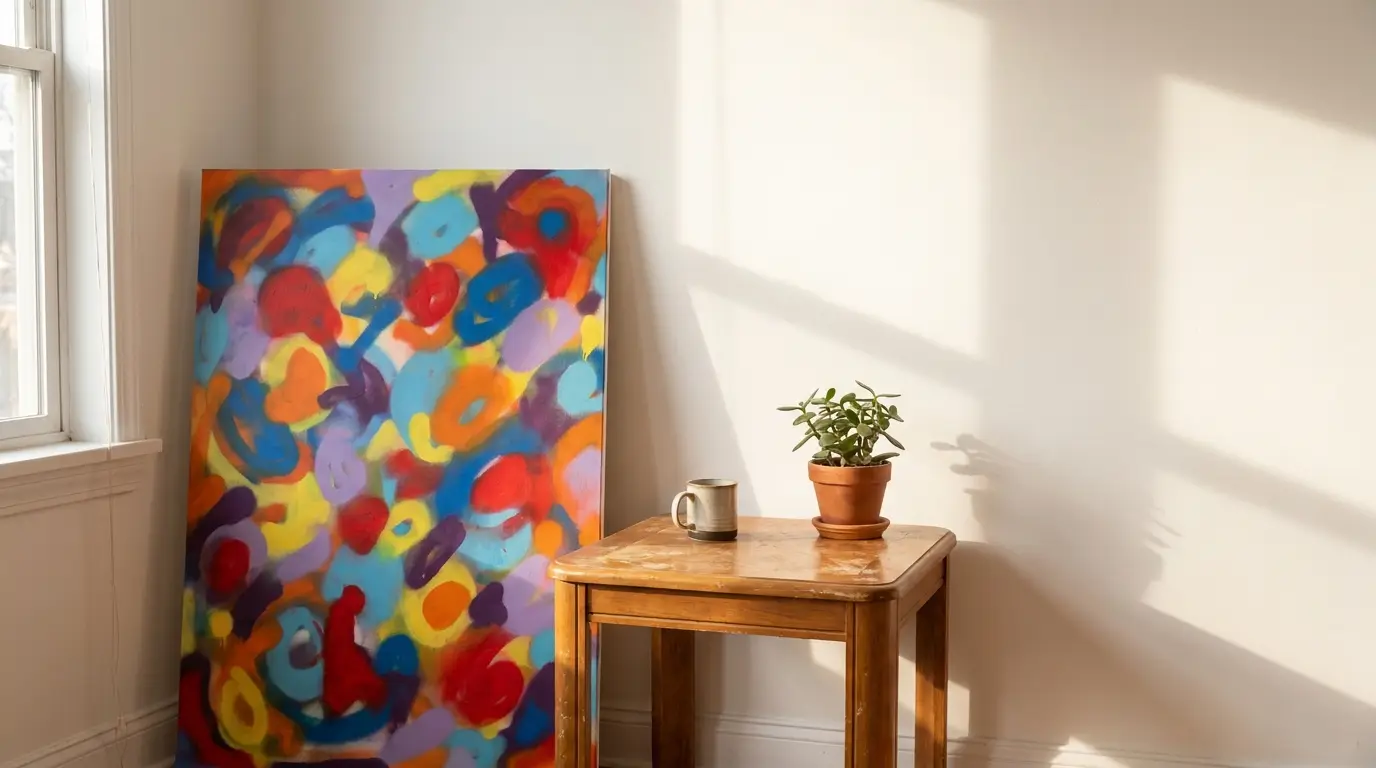
Wall dimensions play a central role in selecting urban art. A large canvas can anchor a living room, hallway, or dining area. A compact piece can add character to a reading corner, shelf, or gallery wall. Paper templates can help test the scale before purchase.
The viewing distance also shapes the effect of the work. Fine details reward close attention, and broad forms create impact across an open room. Nearby furniture, natural light, and wall color can create a balanced setting. A clear sightline lets the artwork hold its visual presence.
Check Authenticity and Condition
- Artist Signature: Look for a signature, studio mark, or clear artist attribution. These details support the identity of the work.
- Proof of Origin: Request a certificate, receipt, exhibition record, or documented purchase history. Reliable records add clarity to the collection.
- Physical Condition: Inspect the front, edges, frame, and back for a clean surface and secure materials. A careful review supports proper care and display.
A thoughtful collection grows from curiosity, care, and a genuine response to art. The right street art painting should feel meaningful each time it enters view. Style, scale, technique, origin, and placement can guide each choice. Personal connection gives the work a lasting role within the space. A well-chosen piece can bring energy, identity, and cultural depth into the home.