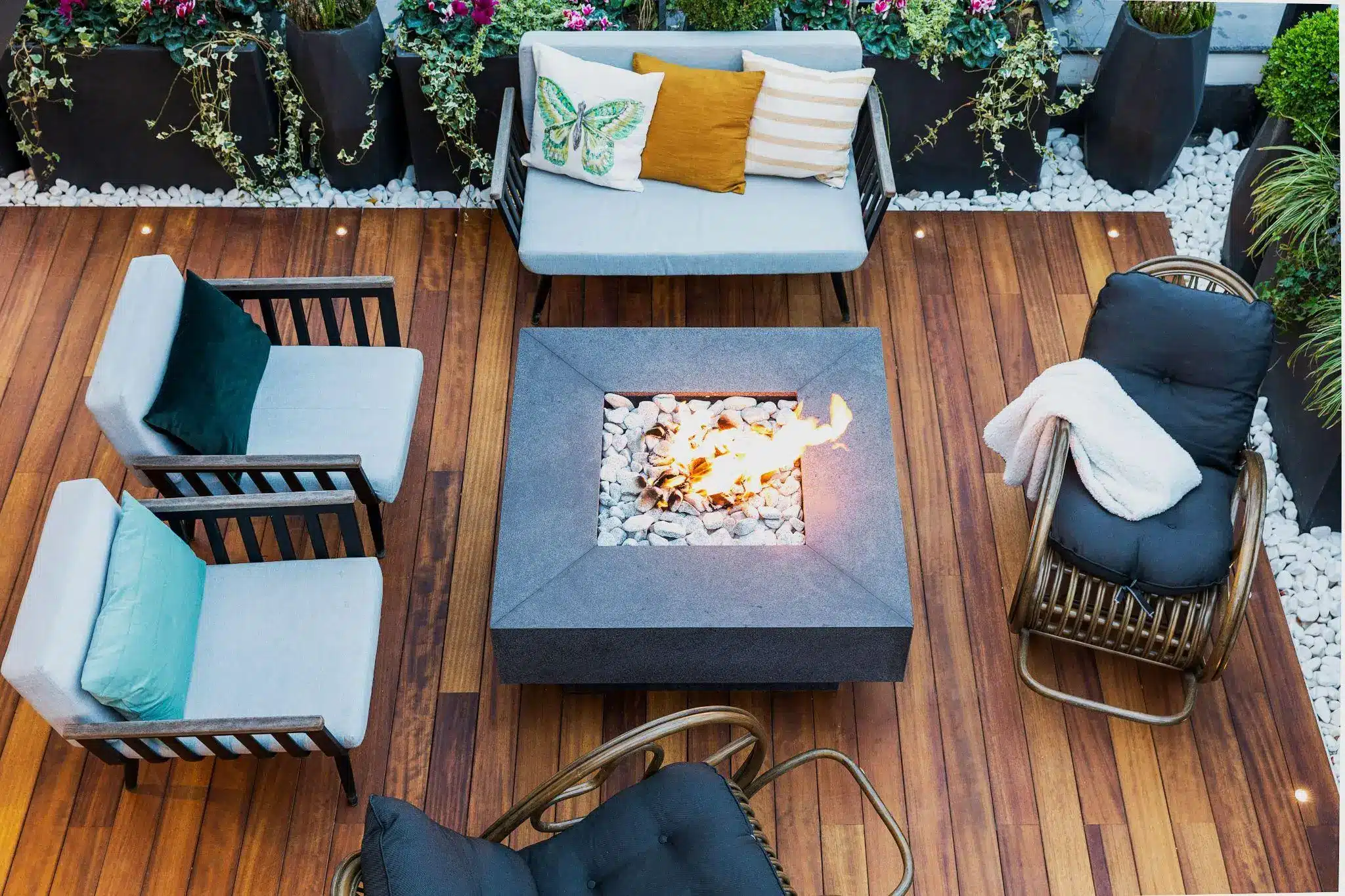
Some of the most meaningful conversations don’t happen around a dining table or during a special event. They begin in the backyard on a warm evening, over tea after dinner, while children play nearby or neighbours stop in for an unexpected visit. A welcoming outdoor space has a way of bringing people together without much planning. It creates opportunities to slow down, reconnect, and enjoy each other’s company away from busy schedules and digital distractions.
Many Canadian families have started looking at their backyards differently. Instead of treating them as spaces that are used only a few months each year, homeowners are transforming them into comfortable extensions of the home. A thoughtfully planned deck, shaded seating area, or landscaped gathering space can support everything from weekend barbecues to quiet family evenings and celebrations with loved ones.
Creating that kind of environment starts with careful planning rather than rushing into construction. The layout should reflect how the space will actually be used, taking into account the size of the household, accessibility, privacy, and long-term maintenance. Homeowners planning this type of project often benefit from working with local experts who specialize in deck installation in Toronto. Professional guidance early in the process can help identify practical solutions that suit both the property and the family’s lifestyle, reducing the likelihood of costly changes after work has already begun.
A backyard doesn’t need to be large or luxurious to become a favourite gathering place. Comfort, functionality, and thoughtful design usually matter far more than expensive features. The most successful outdoor spaces are the ones that naturally encourage people to spend time together.
Why Outdoor Spaces Matter for Family Life
Daily routines often leave little room for meaningful connection. Between work, school, commuting, extracurricular activities, and household responsibilities, families can easily find themselves sharing the same home without spending much quality time together. An inviting outdoor area creates another setting where conversations happen naturally and time together feels less structured.
For many households, the backyard becomes the easiest place to host relatives and friends. Children have room to play safely while adults can relax nearby without feeling separated from the rest of the group. Grandparents appreciate comfortable seating, teenagers enjoy having space to socialize, and younger children benefit from spending more time outdoors instead of remaining inside with electronic devices.
Outdoor gatherings also tend to feel less formal than entertaining indoors. Guests move around more freely, meals become shared experiences rather than carefully planned occasions, and conversations often continue long after the table has been cleared. Even a modest deck with a few chairs and proper lighting can change how often families choose to invite people over.
These spaces can also strengthen neighbourhood relationships. Casual conversations across the fence, shared meals with neighbours, or helping children build friendships with others nearby all contribute to a stronger sense of community. Small moments like these are often difficult to plan, yet they become much more likely when a home offers a comfortable place where people naturally want to gather.
Designing a Backyard That Welcomes Everyone
A successful outdoor space begins with understanding how the family intends to use it. Some households regularly host large celebrations, while others simply want a peaceful place to enjoy breakfast outdoors or unwind after work. Designing around real habits instead of current trends leads to spaces that remain useful for many years.
Several practical considerations can make a noticeable difference:
- Create clear walking paths so guests of all ages can move comfortably throughout the yard.
- Include seating options that allow people to gather in small groups rather than placing every chair in a single row.
- Plan for both sunny and shaded areas to make the space enjoyable throughout the day.
- Choose durable materials that require manageable maintenance and perform well in Canada’s changing seasons.
- Leave enough open space for children to play safely without interrupting conversations or outdoor meals.
Privacy deserves attention as well. Trees, decorative screens, pergolas, or carefully positioned landscaping can create a greater sense of comfort without making the yard feel enclosed. Thoughtful lighting extends the use of the space into the evening while improving safety around steps, pathways, and gathering areas.
The deck itself often becomes the centre of outdoor life because it naturally connects the house with the backyard. When properly sized and positioned, it creates an easy transition between indoor and outdoor living, making it just as convenient to serve dinner outside as it is to enjoy a quiet cup of coffee before the day begins.
Rather than viewing a deck as a standalone feature, it helps to think of it as part of a larger outdoor environment. Gardens, pathways, green space, and seating areas should work together to support the way the household lives instead of competing for attention. A cohesive design not only looks balanced but also makes the entire property more enjoyable throughout the year.
Small Design Choices That Make a Big Difference
Creating a welcoming outdoor space isn’t always about adding more features. In many cases, the smallest decisions have the greatest impact on how often the area is used and how comfortable people feel spending time there.
Lighting is a good example. Soft, well-placed fixtures along stairs, pathways, and seating areas allow gatherings to continue after sunset while making the space safer for children, older adults, and guests. Layered lighting also creates a warmer atmosphere than a single bright floodlight, encouraging people to stay outside longer.
Furniture deserves the same level of attention. Choosing pieces that are comfortable enough for extended conversations often makes a greater difference than selecting the latest design trends. Flexible seating arrangements allow families to adapt the space for different occasions, from a quiet evening with immediate relatives to larger celebrations with friends and neighbours.
Storage is another feature that’s easy to overlook during the planning stage. Benches with built-in compartments, weather-resistant cabinets, or discreet storage boxes help keep cushions, outdoor games, and dining accessories protected while reducing daily setup time. A tidy backyard is far more likely to be used regularly than one that requires constant preparation.
Landscaping also plays a practical role beyond appearance. Trees provide natural shade during the hottest months, shrubs can improve privacy without creating a closed-in feeling, and carefully selected plants reduce maintenance while adding colour throughout the seasons. Even simple improvements such as widening pathways or replacing uneven surfaces can make the yard more accessible for grandparents, young children, or anyone with limited mobility.
When each element supports the others, the outdoor space feels effortless to use. Families spend less time preparing for gatherings and more time enjoying them.
Planning a Deck That Fits the Way You Live
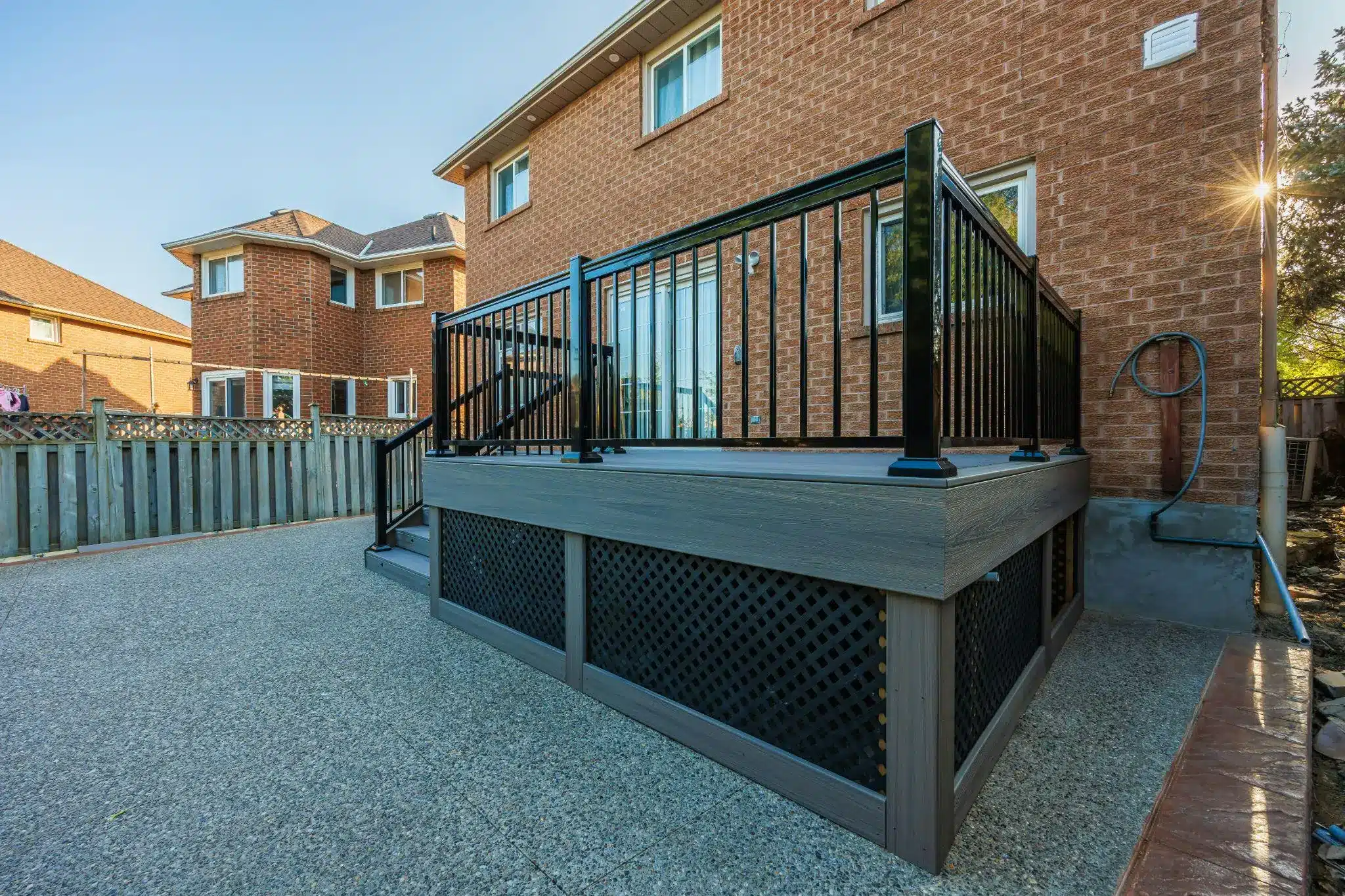
A deck often becomes the foundation of an outdoor living area, but its success depends less on square footage than on thoughtful planning. Before construction begins, it helps to think beyond today’s needs and consider how the household may change over the coming years.
Some families regularly host extended relatives for weekend meals. Others prefer a quiet retreat for reading, prayer, or spending time outdoors after work. Parents with young children may prioritize open sightlines that make supervision easier, while households with older family members often benefit from wider steps, sturdy railings, and smooth transitions between indoor and outdoor spaces.
Material selection should reflect both lifestyle and local climate. Composite decking offers lower maintenance, while natural wood provides a classic appearance that many homeowners appreciate. Each option has advantages, and the right choice depends on the desired balance between maintenance, budget, appearance, and longevity.
Professional planning can also uncover site-specific challenges that aren’t immediately obvious. Drainage, grading, soil conditions, existing landscaping, and municipal requirements all influence how well a project performs over time. Addressing these factors before construction reduces the likelihood of future repairs or modifications.
Companies such as OAKS Home Services approach deck projects by evaluating the property as a whole rather than focusing only on the structure itself. Looking at drainage patterns, traffic flow, surrounding hardscaping, and how the family intends to use the space allows homeowners to make decisions that remain practical long after the project is complete.
Perhaps the most valuable question to ask during planning isn’t, “How large should the deck be?” Instead, it is, “How do we want to live in this space?” The answer usually leads to a design that serves the family far better than simply following current trends.
A Backyard That Grows With Your Family
Families evolve over time, and outdoor spaces should be flexible enough to evolve with them. A backyard that works well for young children today may later become the setting for graduation celebrations, neighbourhood dinners, or relaxed evenings with adult children returning home to visit.
Designing with adaptability in mind makes future changes easier. Leaving open areas for additional seating, choosing landscaping that can mature naturally, and creating multipurpose spaces all help extend the usefulness of the investment.
Seasonal living is another consideration in Canada. Spring gatherings, summer barbecues, crisp autumn evenings around a fire table, and even mild winter afternoons can all become opportunities to spend time outdoors when the space is planned thoughtfully. Small additions such as overhead lighting, wind protection, or comfortable blankets can significantly extend the outdoor season without requiring major renovations.
Hospitality often begins with creating an environment where people feel genuinely welcome. Guests rarely remember the most expensive furniture or the latest design features. They remember feeling comfortable, sharing meals, watching children laugh together, and enjoying conversations that continue long after sunset.
A backyard that encourages those moments becomes more than another part of the property. It becomes a place where relationships grow stronger through ordinary experiences repeated over many years.
Conclusion
Building a welcoming outdoor space isn’t about creating the largest deck or following the latest design trend. It’s about understanding how family and friends naturally gather, then shaping the environment to support those moments.
Thoughtful planning, durable materials, practical layouts, and attention to everyday comfort all contribute to a backyard that remains useful through changing seasons and different stages of family life. Investing time in the planning process often proves just as valuable as the construction itself because it helps ensure the finished space reflects the people who will use it most.
When an outdoor area is designed around connection rather than appearance alone, it becomes a natural extension of the home. Shared meals feel more relaxed, conversations last longer, children have room to play, and neighbours find one more reason to stop by. Those everyday moments rarely require elaborate settings, but they do flourish in spaces created with care, purpose, and the people who matter most in mind.