The appeal of the third-party coffee pod is straightforward. The machine is already bought, and a pod that costs forty percent less per unit looks like an obvious saving over a daily Starbucks venti. The saving is real because the relationship between pod compatibility and coffee quality is more specific than the word compatible suggests. However, ways that cheap alternatives fall short aren’t always apparent in the first week of use.
What Compatibility Actually Means in Practice
Coffee systems are engineered to precise tolerances that govern how the pod sits in the machine. It also covers how the needle pierces it and how the brewed coffee exits into the cup. The original pod format was designed alongside the machine to produce specific extraction parameters, a particular water flow rate through a particular coffee bed density at a particular pressure, that the machine’s engineering was calibrated to deliver with that specific pod geometry and seal integrity.
A compatible third-party pod replicates the format well enough to fit the machine and not prevent extraction. It may or may not replicate the tolerances that the original format’s engineering was designed around, and the gap between fitting correctly and performing correctly is where the experience difference between original and compatible pods originates. A pod whose seal doesn’t engage the machine’s piercing mechanism at exactly the right depth produces a different water flow path through the coffee bed. A pod whose foil lid doesn’t respond to the machine’s needle at the same resistance produces a different initial pressure profile through the extraction. Neither deviation produces a dramatically different result in every case, and both produce a cup that’s slightly off from the machine’s intended output in ways that accumulate into a meaningfully different experience from the one the machine was designed to deliver.
What the Coffee Inside the Pod Determines
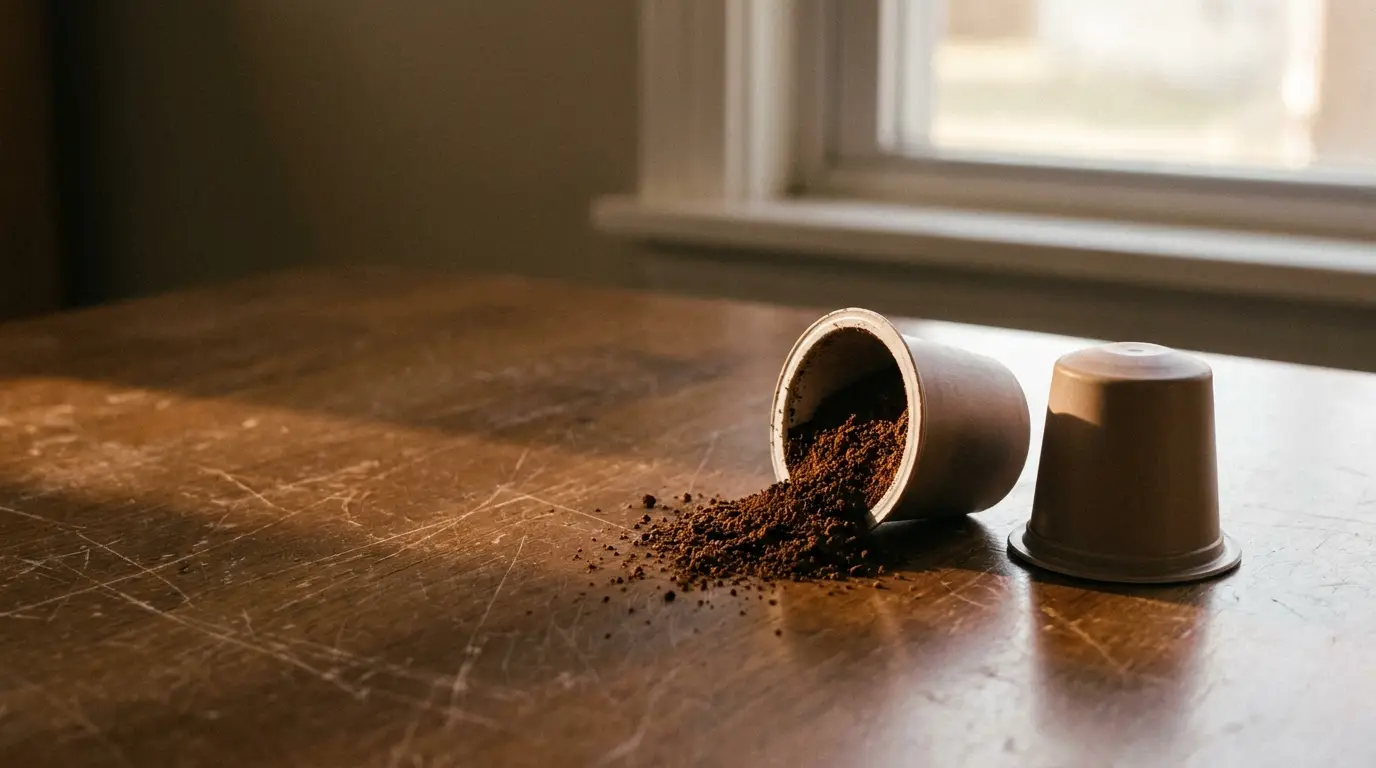
The coffee quality inside a compatible pod varies more than it does in original pods from roasters who control both the coffee specification and the pod production process. An original pod from a brand that also makes the machine, or from a roaster who has invested in developing a pod product specifically for that machine format, contains coffee that was selected and roasted with the extraction parameters of that specific machine in mind. The grind profile, the coffee bed density, and the roast level were chosen to produce the intended cup within that machine’s extraction profile.
Coffee pods are typically produced to a broader specification that’s designed to perform acceptably across multiple machine formats, which means the coffee inside them is optimised for no single format and performs adequately in most. The distinction between adequately and well is most apparent in the cup characteristics that indicate a well-matched extraction, the balance between acidity, sweetness, and body that the machine’s engineering was designed to produce with the right coffee specification inside a correctly toleranced pod.
Where the Saving Calculates Differently Than It Appears
The unit cost saving on cheap compatible pods calculates correctly at the pod level and differently at the experience level. A drinker who switches to cheap compatible pods and finds the cup satisfactory has made a saving that the numbers support. The story is different for someone who switches and finds the cup less satisfying. They might compensate by brewing an additional pod to get the strength they were used to. In short, that person has spent money on two sets of pods.
The calculation that matters is the one that accounts for the actual cups consumed and the actual satisfaction produced, not the one that multiplies unit cost saving by the number of pods currently purchased. For drinkers whose taste preferences are relatively indiscriminate, the compatible coffee pods saving is real and straightforward. Hence, find the best pods before purchasing the whole system.