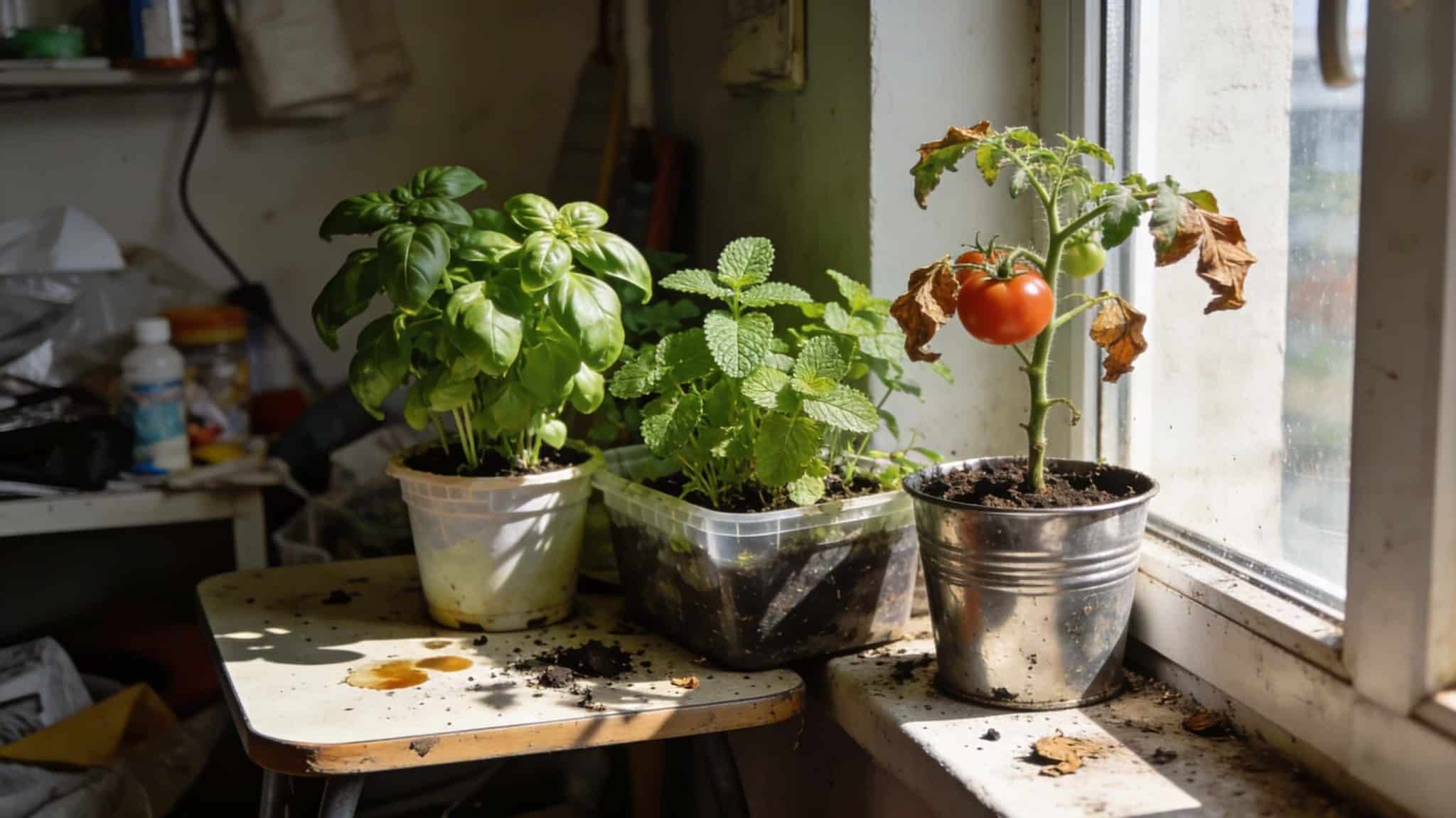
You don’t need a big backyard to start apartment gardening. I tried it in a small space, and it worked better than I expected.
Living in a city often means less space, but apartment gardening lets you grow fresh vegetables and herbs right at home. It helps you save money, waste less, and enjoy fresh food all year round from your windowsill or countertop.
I’ve seen even the smallest spaces turn into green, useful corners with the right setup. It feels simple once you get the basics right.
Here, I’ll show you how to pick the right plants, set up your space in a smart way, and grow more even in tight areas. Start small, test what works, and let your indoor garden grow over time.
The Origins and Benefits of Apartment Gardening
Apartment gardening has been a personal journey for many, including myself. It all started with a desire to reconnect with nature, even in the heart of the city.
From ancient rooftop gardens in Mesopotamia and Egypt to modern-day urban spaces, the practice of growing plants in small areas has evolved.
Today, apartment gardening isn’t just about growing food; it’s about creating a peaceful, green retreat within your own home.
For me, the benefits have been endless: fresh, nutritious produce year-round, less waste, and a sense of calm in the chaos. It’s also a chance to eat healthier, reduce plastic use, and enjoy nature right in my living space.
Starting your own indoor garden can be a step toward a more mindful and sustainable life.
Essential Supplies for Indoor Gardening in Small Spaces
When I first started gardening indoors, I quickly realized that the right supplies make all the difference. Here’s a quick guide to the essentials you’ll need for your indoor space:
| Category | Supply | Best For | Key Feature |
|---|---|---|---|
| Containers & Pots | Hanging pots | Trailing plants (pothos, ivy) | Lightweight, with drainage holes |
| Vertical planters | Herbs, small flowers | Wall-mounted or pocket-style | |
| Self-watering containers | Busy owners | Built-in reservoir + wicking | |
| Smart planters | Beginners | Moisture, light & nutrient sensors | |
| Soil & Fertilizers | Indoor potting mix | All indoor plants | Lightweight, well-draining |
| Peat-free potting soil | Eco-conscious gardeners | Coir or compost-based | |
| Liquid organic fertilizer | Fast feeding | Fish emulsion or seaweed extract | |
| Slow-release granules | Low-maintenance setups | Pelleted compost or bone meal | |
| Grow Lights | Full-spectrum LED | All growth stages | 3000K–6500K range |
| Clip-on LED panels | Individual plants | Flexible gooseneck arm | |
| Timer-compatible lights | Automated setups | Smart plug or built-in timer | |
| Low-heat LED strips | Tight spaces | Adhesive-backed, 10–20W |
By carefully selecting containers, soil, fertilizers, and lighting that match your space and plants, you’ll create an indoor garden that thrives. Trust me, the right setup makes all the difference.
Setting Up Your Indoor Garden
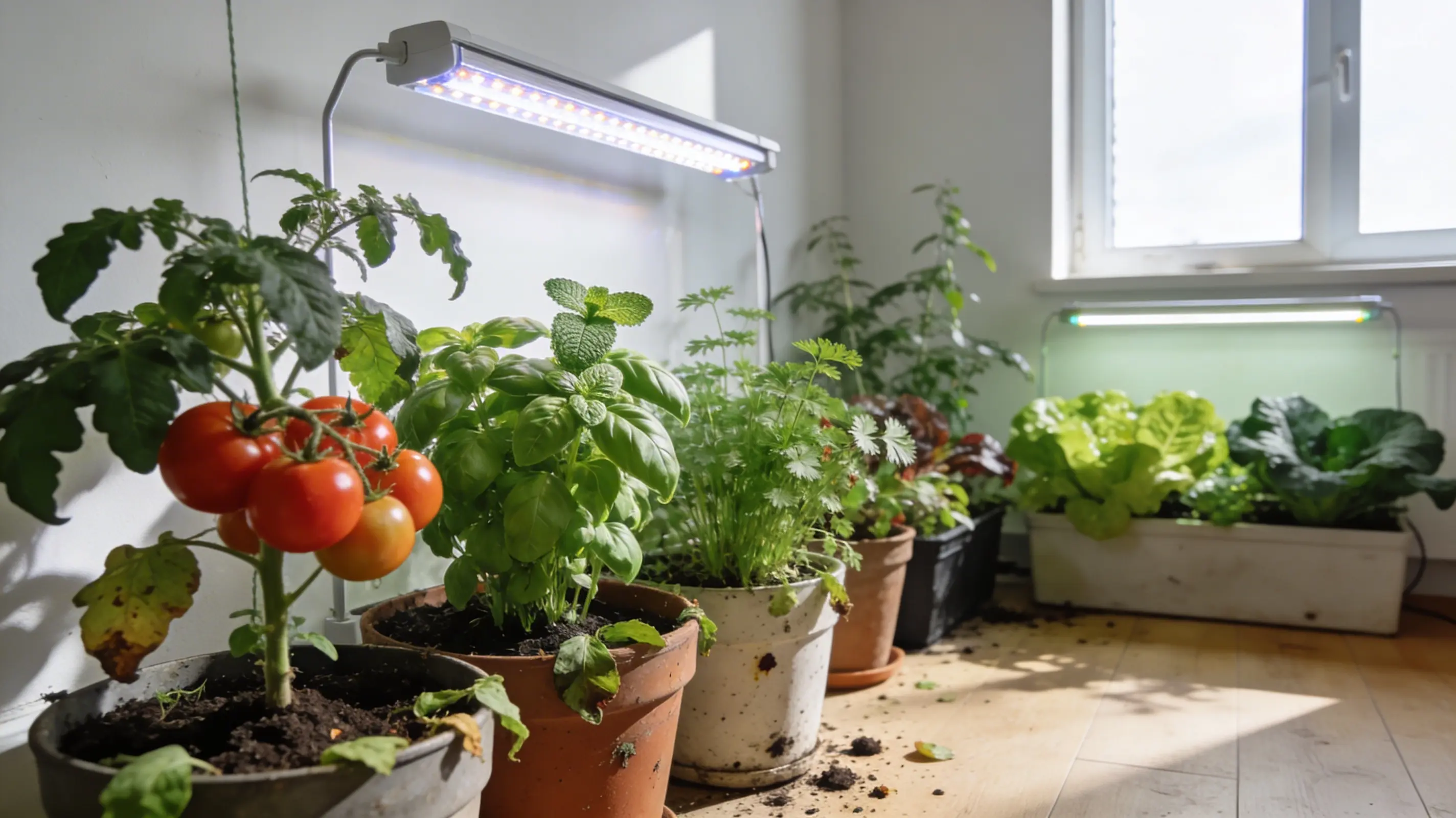
Choosing the right spot for your plants is crucial for their success. Even the best supplies won’t help if the light isn’t right. Here’s how to set up your indoor garden thoughtfully.
Choosing the Right Window
Assessing my apartment’s sunlight was the first step I took. Here’s what I found works best for each window direction in my space.
- South-facing Windows: My go-to for tomatoes, peppers, and basil. Gets the longest sunlight hours, perfect for light-demanding plants.
- East-facing Windows: I grow my coriander and mint here. Gentle morning light keeps herbs and leafy greens happy.
- West-facing Windows: Great for herbs needing afternoon warmth. I place my hardier greens here for steady sun exposure.
- North-facing Windows: The least light in my apartment. I pair this spot with a grow light to keep food plants healthy.
Once I matched my plants to the right window, everything changed. Give it a try in your own space; the right light placement makes growing indoors so much easier and more rewarding.
Using Artificial Lights in Areas with Low Natural Light
If natural light is limited, full-spectrum LED grow lights are a great solution. These lights provide essential wavelengths for healthy plant growth. Position the light 25–35 cm above seedlings, 20–30 cm above greens, and 15–25 cm above fruiting plants.
Set a timer for 12–14 hours of light for herbs and 14–16 hours for fruiting plants. Combining natural light with grow lights during low-light hours creates a balanced environment, ensuring your plants thrive while saving energy
Creating Vertical Gardens and Using Shelf Space
Your wall space and shelves are the most underused assets in your apartment. With a few smart setups, you can grow more plants without taking up a single inch of your floor space.
- Step 1: Mount fabric or felt pocket planters on walls for herbs like basil and mint, ensuring drainage.
- Step 2: Use 3-4 staggered floating shelves near a window, adding grow lights beneath for better light distribution.
- Step 3: Install a pegboard on the wall to create an adjustable vertical garden using hooks and small planters.
- Step 4: Use a tiered plant stand with 3-5 levels near a window or under a grow light for a vertical solution.
- Step 5: Clip-on railing planters for your balcony let you grow herbs, tomatoes, and lettuce without floor space.
Going vertical is one of the smartest moves you can make for your small-space garden. Start with one setup that suits your space best, build on it as your confidence grows, and watch your apartment come alive with greenery.
Choosing the Right Vegetables and Herbs for Indoor Gardening
Picking the right plants is the foundation of a successful indoor garden. A sunny windowsill or a compact countertop is all you need; the right vegetables and herbs make growing indoors simple and satisfying.
Best Vegetables for Indoor Gardening
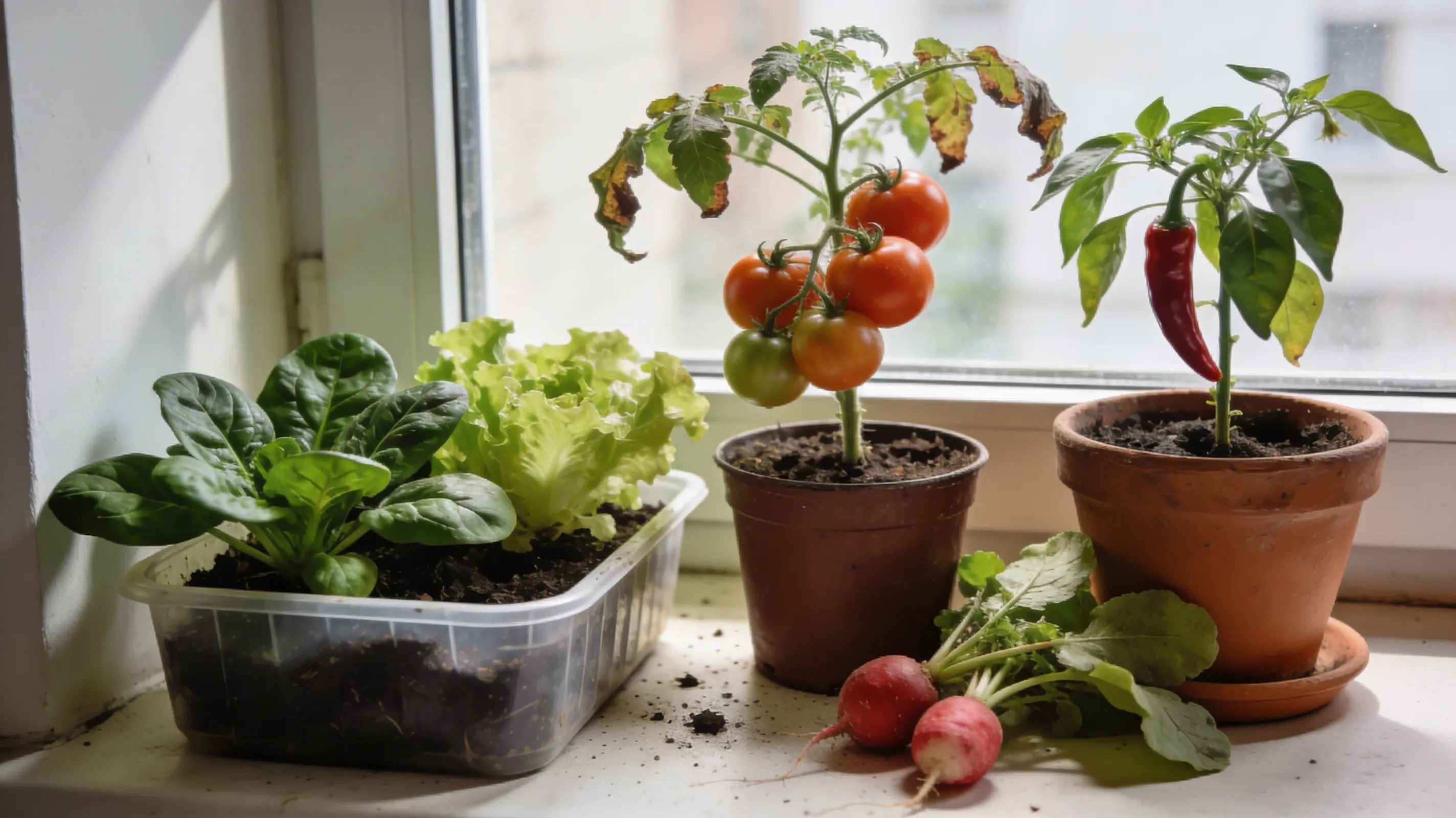
When I started indoor gardening, I was unsure of where to begin. Choosing the right vegetables makes all the difference. Here’s what I’ve learned works best:
- Spinach & Lettuce: These leafy greens are perfect for beginners. Spinach thrives in cool indoor temps, and lettuce grows quickly in shallow containers, offering fresh leaves with minimal care.
- Dwarf Tomatoes: Compact varieties like Tiny Tim are perfect for small spaces, needing bright light and regular watering to produce sweet, homegrown tomatoes even indoors.
- Peppers: Compact chili varieties like Cayenne are well-suited for indoor spaces, requiring warmth and 6+ hours of light to produce colorful, flavorful peppers.
- Radishes: Radishes are fast-growing and ideal for beginners, reaching harvest in 20–30 days. They need minimal space, making them perfect for small pots with quick results.
These four vegetables are a great starting point for any indoor garden. Each one is beginner-friendly, space-efficient, and easy to manage. Pick one that suits your space, give it the right care, and you’ll have fresh produce growing right at home.
Best Herbs for Indoor Gardening
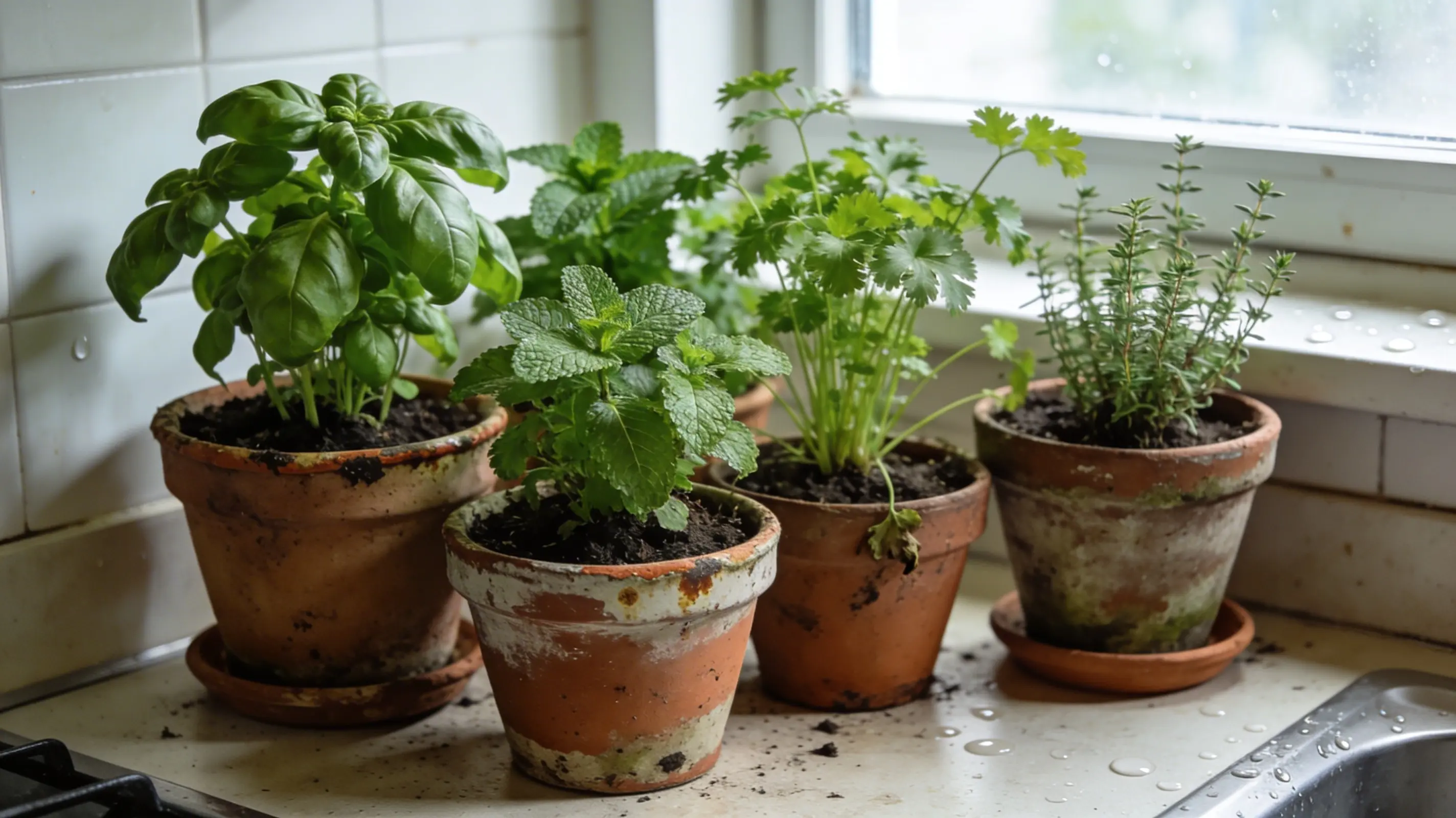
Fresh herbs are a kitchen essential and surprisingly easy to grow indoors. From fast-growing mint to flavourful basil, these go-to picks fit perfectly on a windowsill or countertop, giving you a steady supply of flavor right at your fingertips:
- Basil: Basil thrives in bright light and well-drained soil. Regular pruning encourages bushy growth, providing fresh leaves for cooking all year long.
- Mint: Mint is easy to grow in moderate light and moist soil. It’s fast-growing and resilient, but plant it in its own pot to prevent it from taking over.
- Parsley: Parsley requires 6 hours of light and deep pots for healthy growth. Though slow to germinate, once established, it provides fresh herbs for months.
- Cilantro (Coriander): Coriander grows well in cooler temperatures and moderate light, perfect for indoor spaces. Harvest regularly for a steady supply of fresh leaves.
- Thyme: A low-maintenance herb, thyme thrives in bright light and well-drained soil. It’s drought-tolerant and perfect for indoor gardeners with busy lifestyles.
I’ve always enjoyed having fresh herbs and vegetables on hand. Growing them indoors is easy, and it’s such a rewarding experience to use your own basil, mint, or parsley in meals.
DIY Ideas for Maximizing Space in Small Apartments
When I wanted to grow more in a small space, I found these DIY projects that completely converted my apartment. Here’s how you can do the same.
1. Wall & Balcony Solutions
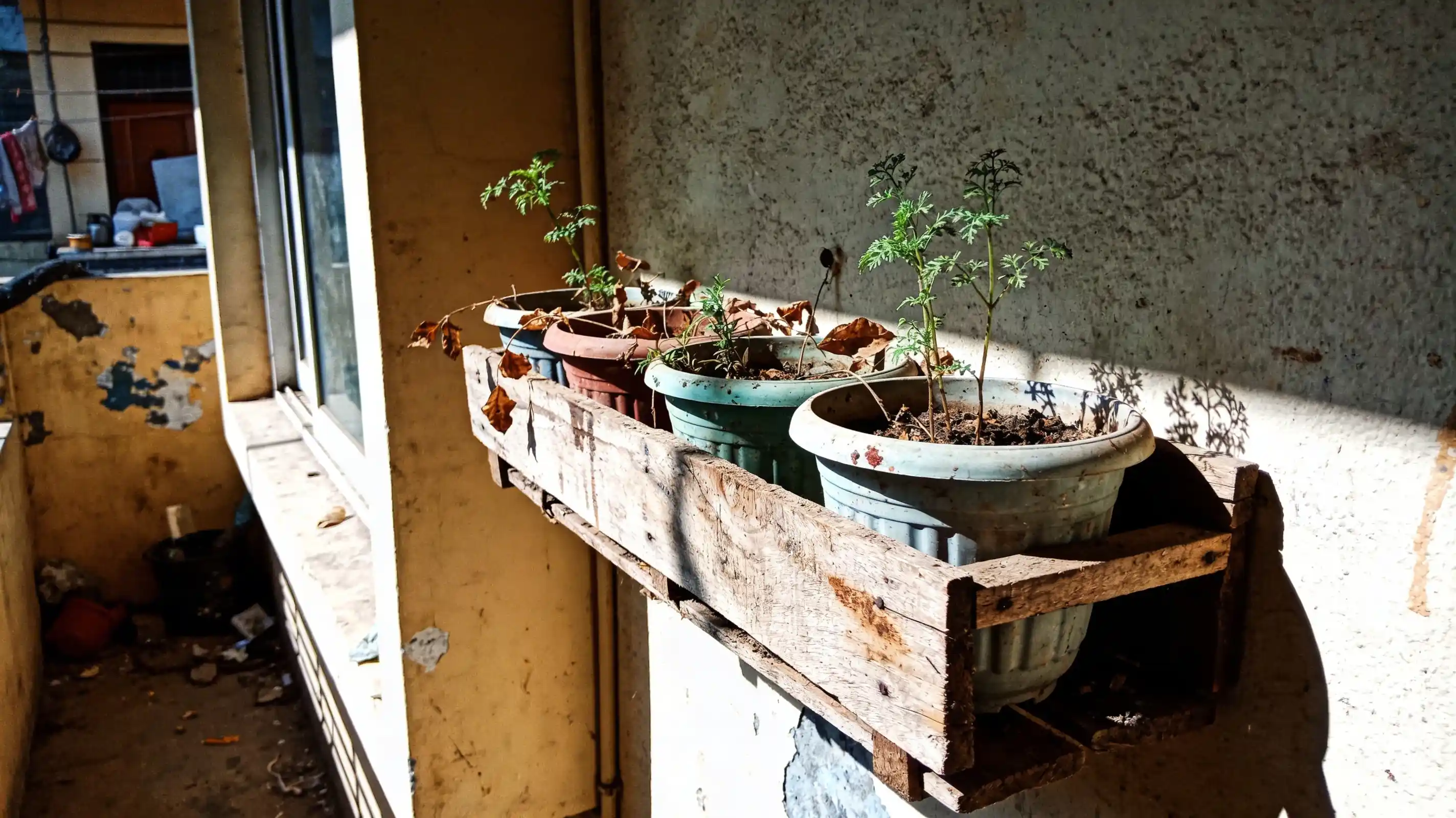
Mounting a wooden pallet on your wall or balcony is one of the most affordable ways to grow more in less space. Fill each pocket with potting mix, plant your favorite herbs or greens, and you instantly have a living wall that works hard for you.
Always add drainage holes at the base of each pocket to keep roots healthy and prevent waterlogged soil from causing damage over time.
2. Shelf & Furniture Hacks
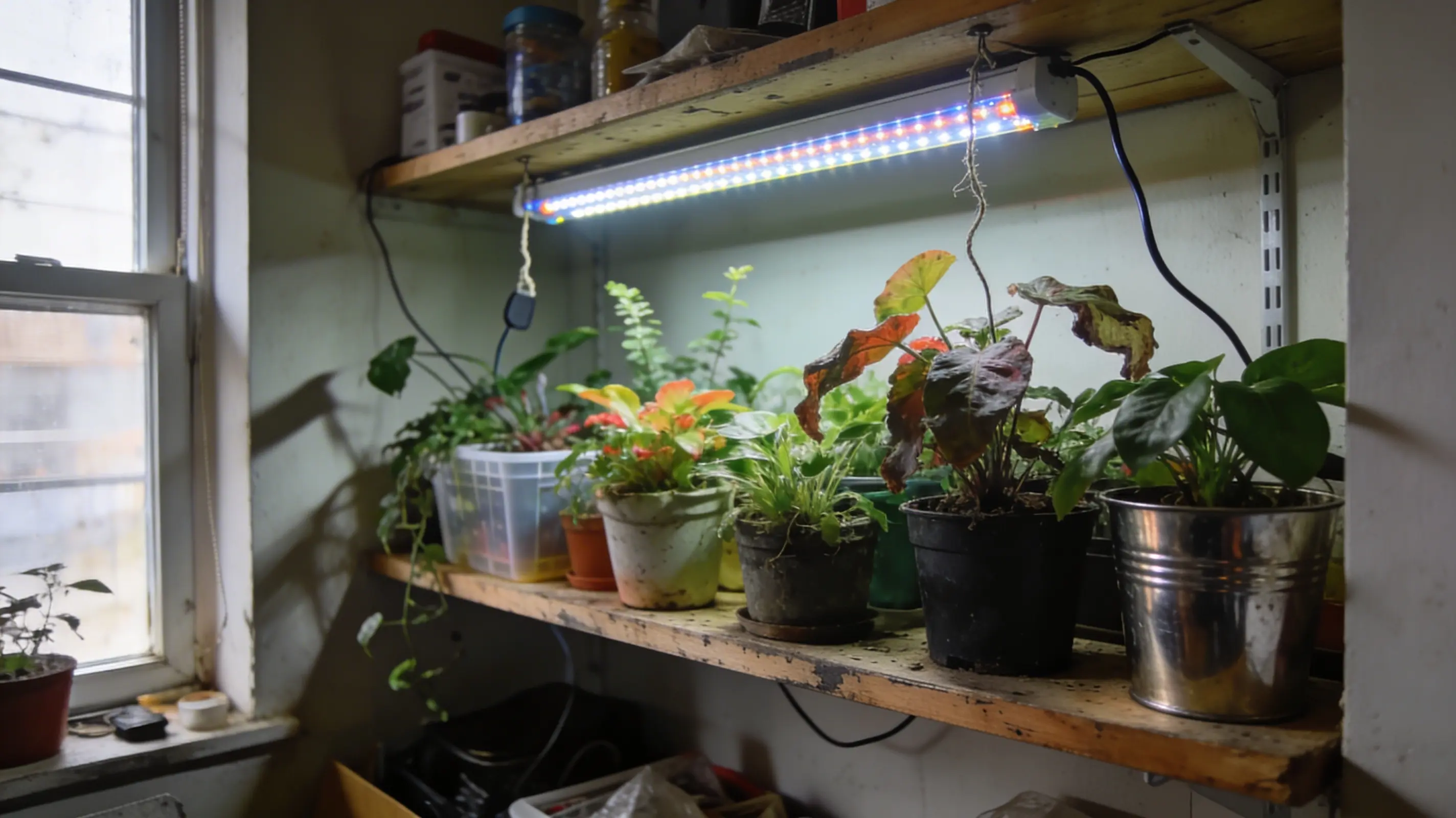
A bookshelf with grow lights fitted beneath each level gives you a fully functional, multi-tiered herb garden that fits right inside your home. It is ideal for greens, herbs, and any plant that needs consistent light.
A wooden ladder placed near a bright window works equally well. Simply arrange your pots by size from top to bottom, and make sure there is enough airflow between each level to keep your plants in good shape.
3. Everyday Item Upcycles
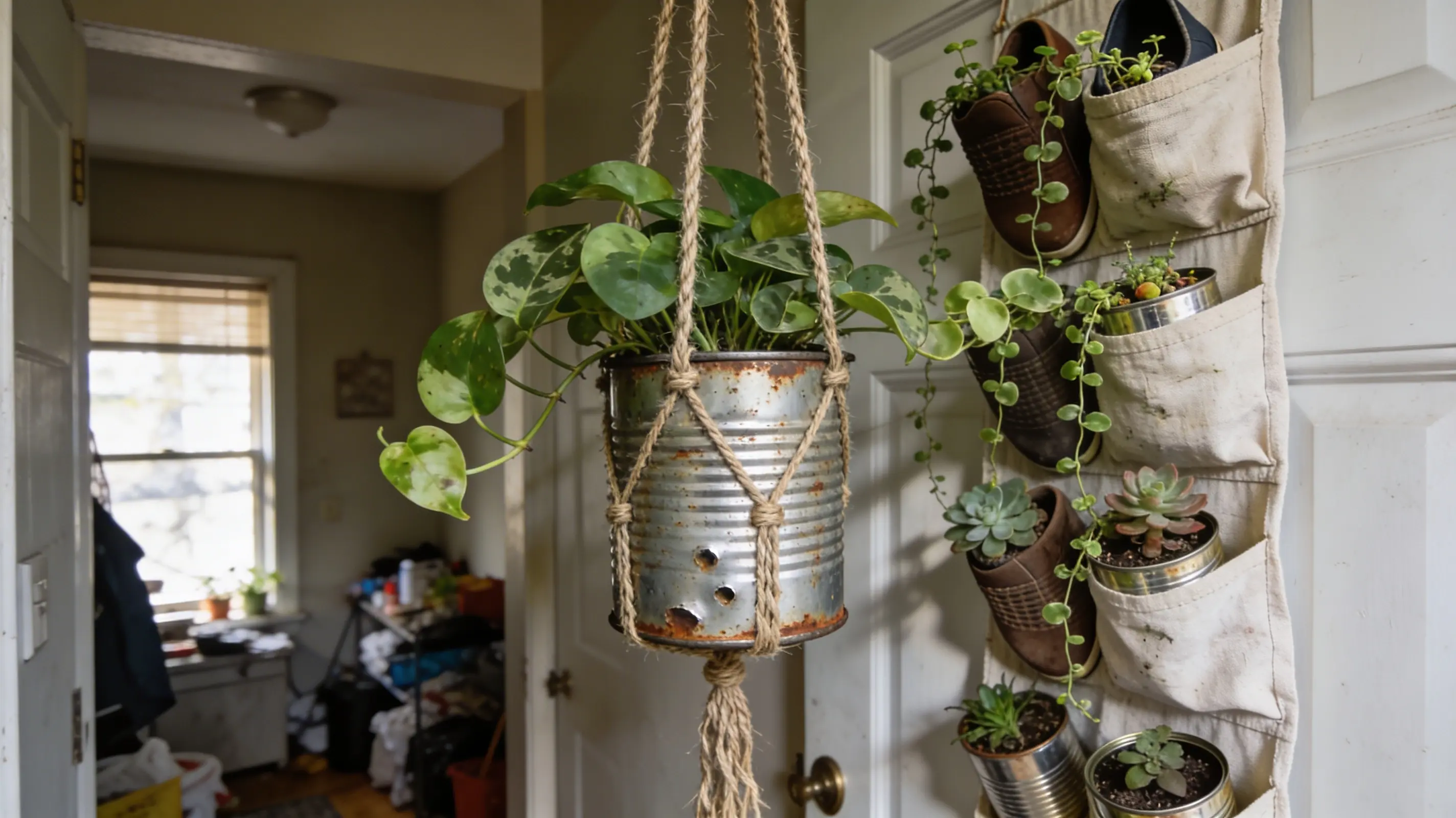
Tin cans are far more useful than most people realize. Hung with sturdy twine and fitted with drainage holes, they make compact, charming planters for herbs like basil and coriander. Keep them lightweight so they do not put strain on your walls.
A shoe organizer hung over any door is another clever option; each pocket holds mint, lettuce, or small herbs, turning a completely unused spot in your home into a productive growing space.
Care and Maintenance Tips for Indoor Vegetables and Herbs
Maintaining an indoor garden is rewarding, but it requires consistent care. With the right approach, your garden will thrive season after season.
- Watering and Humidity: Water the soil only when the top inch feels dry, use drainage-ready pots, and group plants together in dry months to maintain humidity.
- Pruning and Harvesting: Prune regularly, harvest outer leaves little and often, and pinch off flower buds on herbs like basil to keep leaf growth going.
- Fertilizing: Feed your plants every 2–3 weeks during the growing season using a balanced liquid fertilizer. Avoid overfeeding, as too much fertilizer can burn roots and slow growth.
- Pest Control:Check leaves regularly for early signs of aphids or fungus gnats. A quick spray of neem oil or garlic solution keeps most pests away before they spread.
Once I made these habits part of my routine, my plants responded almost instantly. A little consistent care goes a long way in keeping your indoor garden healthy and productive.
Maximizing Yield in Small Apartment Gardens
Companion planting pairs plants that support each other; basil and tomatoes, mint and peppers, coriander and spinach, chives and carrots, and lettuce with tall herbs like rosemary all make excellent combinations that deter pests, enhance flavor, and share light efficiently.
Beyond pairing, hydroponics takes small-space gardening further by growing plants in nutrient-rich water instead of soil, using up to 90% less water and eliminating soil pests.
Systems like Deep Water Culture (DWC) are suitable for beginners and herbs. The Kratky Method requires no electricity. NFTs work well for vertical setups, and smart planters offer minimal-effort automation. Together, these approaches help you grow more with less.
Troubleshooting Common Indoor Gardening Problems
Every indoor gardener hits a rough patch, and that is completely normal. Catching problems early makes all the difference, so here is what to watch for in your plants.
| Problem | Warning Signs | Quick Fix |
|---|---|---|
| Yellowing Leaves | Pale, dull, slow growth | Water less, add fertilizer |
| Leggy Plants | Tall, spindly, sparse leaves | Bright light, prune stems |
| Root Rot | Soggy soil, mushy roots | Repot, improve drainage |
| Pest Infestation | Spots, bugs, sticky residue | Neem oil, sticky traps |
Your plants are more resilient than you think. With a quick check every few days, you can catch these issues early and get your indoor garden back on track fast.
Sustainable and Eco-Friendly Apartment Gardening Practices
Sustainable gardening does not have to be complicated. Start with a small worm bin, toss in kitchen scraps and red wiggler worms, and in just 6–8 weeks, you have nutrient-rich compost ready to feed your plants.
On the planting side, give everyday items like tin cans and bottles a second life by turning them into planters. Add a drainage hole, fill with potting mix, and you have a creative, cost-free home for your herbs.
Small steps like these make your garden kinder to the planet without adding extra effort to your routine.
Summing Up
Apartment gardening has truly changed how I use my small space, and I hope it works just as well for you. It’s a simple way to grow fresh vegetables and herbs at home while cutting down on waste and supporting your daily routine.
Starting with easy herbs like basil or mint is a great way to begin. Once you see your plants grow well, you’ll feel proud of what you’ve built. Take a moment to use these ideas in your own space and see what works best for you.
Start small, try different setups, and soon you’ll have a healthy indoor garden. If you want to learn more, check out other posts for more helpful ideas.