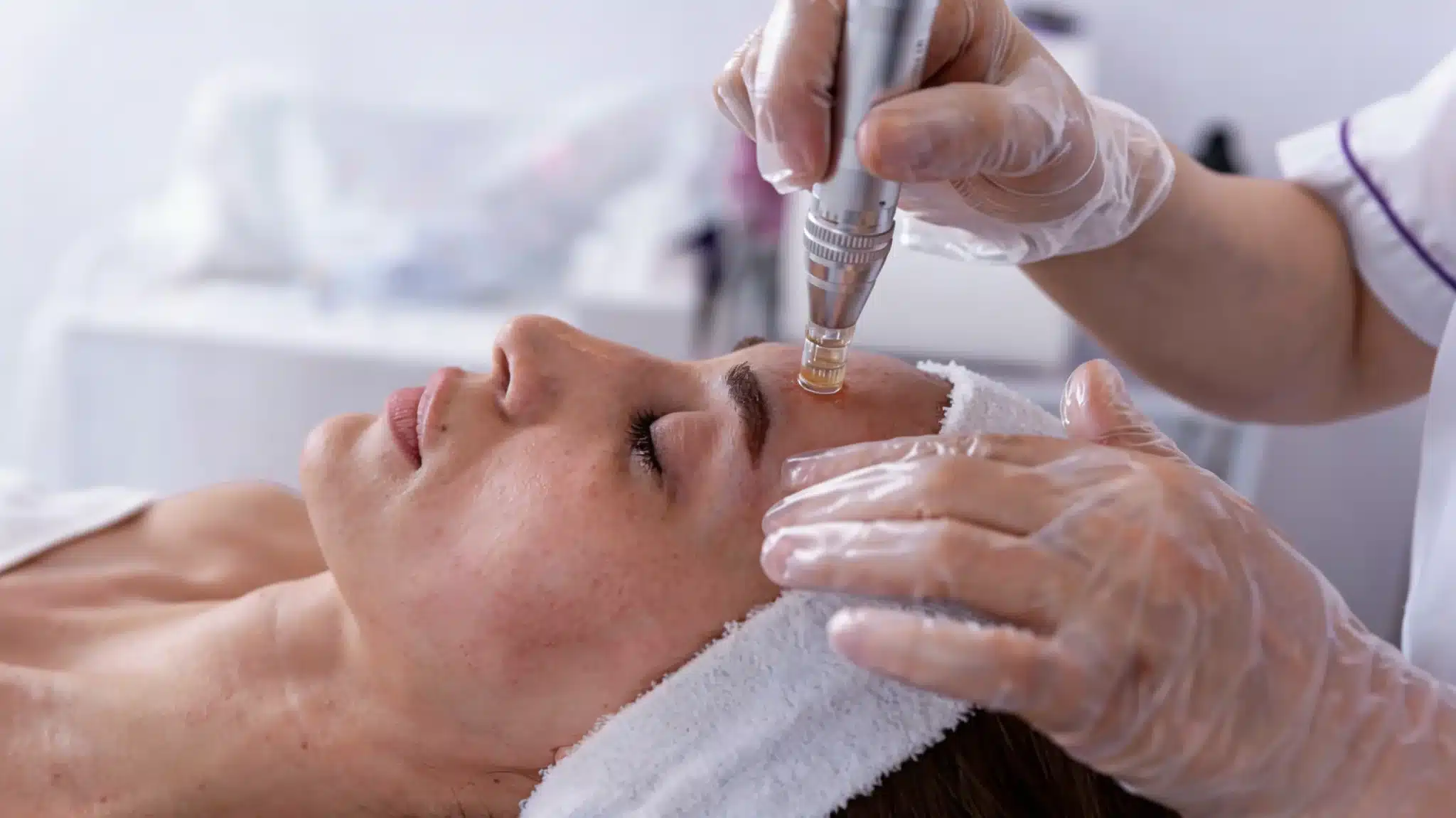
Have you noticed your skin feeling a bit looser or less firm than it used to? It’s one of the most common concerns we hear, and finding something that actually works can feel confusing. That’s where microneedling comes in.
A question many people ask before trying it is, ” Does microneedling tighten skin?” It’s often seen as a simple way to improve firmness without major procedures.
Here, you’ll learn how microneedling works, what results you can expect, and if it fits your skin’s needs. By the end, you’ll have a clear idea of what to expect.
So, is this treatment the right step for your skin? Let’s break it down.
Does Microneedling Tighten Skin?
Yes, microneedling can tighten your skin, but no, it won’t happen overnight. The real magic is in what happens beneath the surface.
It works by boosting your collagen, which gradually helps your skin feel firmer and look smoother over time. Many skin experts agree that it also improves elasticity, helping your skin bounce back better.
You may begin noticing a tighter appearance in areas you care about most, your cheeks, jawline, neck, or even around your eyes. It can work on the stomach and thighs, too.
Most people notice their first small changes within a few weeks, with more visible results building over a few sessions.
How Microneedling Works on Skin
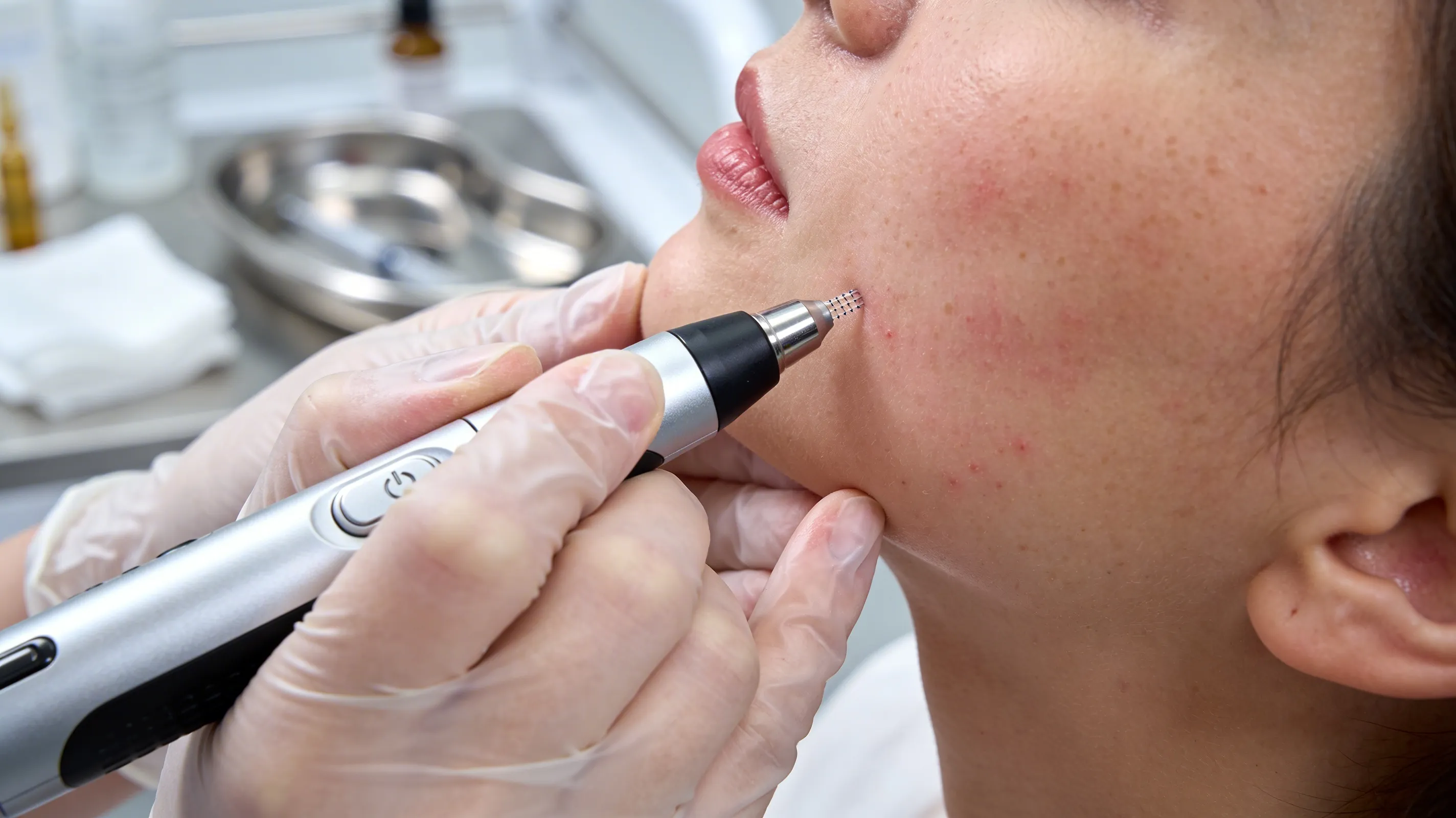
Microneedling works by creating tiny, controlled injuries on the surface of your skin. These micro-punctures are not harmful; they simply send a signal to your body that repair is needed.
As your skin responds, it naturally produces more collagen and elastin. These are proteins your body already makes, and this process is your skin’s own way of healing itself.
Microneedling also comes in different levels, each designed to target different skin concerns and depths.
1. Superficial Microneedling (0.2mm – 0.5mm)
Superficial microneedling is the gentlest entry point into the treatment. Fine needles reach only the epidermis, creating light stimulation that refreshes and brightens the skin without any real disruption.
Most people return to their routine the same day, and results are subtle but consistent, with improved radiance and smoother texture becoming noticeable within one to two weeks of treatment.
2. Mid-Depth Microneedling (0.5mm – 1.5mm)
Mid-depth microneedling reaches the upper dermis, triggering a stronger collagen response than superficial treatment. It is the most commonly used level in clinics, targeting fine lines, enlarged pores, and mild acne scars effectively.
Expect mild redness for one to two days after the session. Visible improvements in firmness and texture typically appear within three to four weeks as new collagen begins forming.
3. Deep Microneedling (1.5mm – 3.0mm)
Mid-depth microneedling reaches the upper dermis, triggering a stronger collagen response than superficial treatment. It is the most commonly used level in clinics, targeting fine lines, enlarged pores, and mild acne scars effectively.
Expect mild redness for one to two days after the session. Visible improvements in firmness and texture typically appear within 3 to 4 weeks as new collagen begins to form.
The deeper the treatment, the stronger the results, but it also requires more care and recovery time. Your dermatologist will recommend the right level based on your skin type and concerns.
How Many Sessions Are Needed for Skin Tightening?
Many people are unsure about what to expect with skin tightening treatments, so let me simplify it for you. Sessions are typically spaced 4 to 6 weeks apart to give your skin enough time to heal and rebuild collagen.
You’ll likely need 3 to 6 sessions for noticeable tightening, depending on your skin’s condition, age, and elasticity. Some see improvements after just 2 to 3 sessions, but to get the full benefit, it’s best to complete the entire plan.
To maintain your results, follow-up treatments every 3 to 6 months help keep your skin firm and collagen production strong.
Stay consistent, and you’ll enjoy better results over time with proper care.
Benefits of Microneedling Beyond Skin Tightening
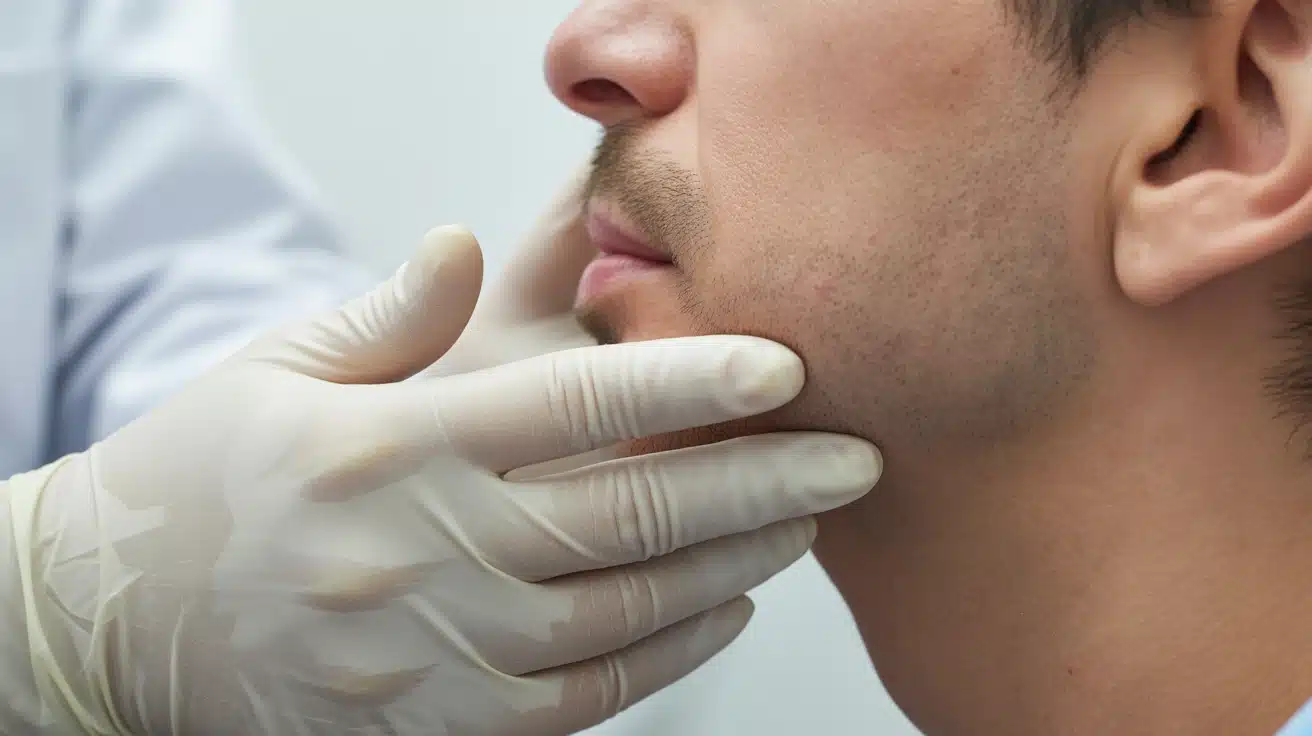
I’ve noticed that most people start microneedling for one reason, but end up seeing improvements in many areas. Once you understand these added benefits, it becomes easier to see the full value of the treatment.
1. Improves Skin Texture
Microneedling supports natural skin renewal by encouraging the replacement of older, damaged cells with healthier ones. Each session stimulates deeper repair, gradually refining the skin’s surface.
Over time, rough areas soften, uneven patches improve, and your complexion looks more balanced and refreshed. People with bumpy skin, rough patches, or a dull complexion often notice this as one of the most visible changes
2. Reduces Fine Lines and Wrinkles
Microneedling boosts collagen and elastin, helping your skin regain strength and structure over time. This fills in areas where fine lines form, making them appear softer and less defined.
Repeated sessions build on each other, creating cumulative improvement. With consistent treatment, your skin develops a firmer, more youthful appearance without the need for fillers or invasive procedures.
3. Fades Acne Scars
Acne scars form when skin heals unevenly after a breakout. Microneedling prompts your skin to rebuild those damaged areas from within. New collagen fills in depressed scars and smooths uneven surfaces over time.
Unlike topical treatments that only work on the surface, microneedling targets the deeper layers, making it one of the most effective and well-researched options for scar reduction.
4. Shrinks the Look of Pores
Pores don’t open and close, but their appearance depends heavily on skin firmness. When the surrounding skin weakens with age or damage, pores look more prominent.
Microneedling strengthens the tissue around each pore and boosts collagen in the surrounding area, making them appear visibly smaller. As overall skin texture improves with each session, the surface looks noticeably more refined and even.
5. Improves Product Absorption
The tiny channels created during microneedling allow skincare products to penetrate much deeper than they normally would. Serums, vitamin C, hyaluronic acid, and other actives reach the deeper layers where they deliver the most benefit.
This makes your existing routine significantly more effective, meaning you get better and more noticeable results from the same products you already use daily.
This means your existing skincare routine works harder and delivers more noticeable results in the days following treatment. From all these benefits together, it becomes clear that microneedling supports your skin as a whole, not just one concern, which is why results often feel more complete.
Side Effects and Risks of Microneedling
Microneedling is generally safe, but your skin may show some normal reactions after treatment. These are temporary and part of the healing process.
| Reaction | Type | Likelihood | Duration | What to do |
|---|---|---|---|---|
| Redness | Side effect | Very common | 24 – 48 hrs | Avoid heat, sun, and harsh products. |
| Mild swelling | Side effect | Common | 1 – 2 days | Sleep elevated. Resolves on its own. |
| Skin sensitivity | Side effect | Common | 2 – 4 days | Use a gentle cleanser. Skip actives. |
| Infection | Risk | Rare | Variable | Choose a certified provider. Follow aftercare strictly. |
| Hyperpigmentation | Risk | Rare | Weeks to months | Avoid the sun for 48 hrs. Wear SPF 30+ daily. |
Most side effects after microneedling are short-lived and are a normal part of your skin’s healing process. The risks, while worth knowing about, are largely preventable with the right provider and a consistent aftercare routine.
When microneedling is performed correctly and properly cared for, the experience is as safe as it is effective.
Is Microneedling Right for Your Skin
Microneedling works best for people with mild to moderate skin concerns, such as early signs of aging, slight looseness, uneven texture, acne scars, or enlarged pores. It suits those who prefer gradual, natural-looking improvement rather than quick results.
However, it may not be suitable if you have active acne, skin infections, or open breakouts, as the treatment can spread bacteria. People with conditions like eczema, psoriasis, or rosacea should seek medical advice first.
It is also generally avoided during pregnancy and for those taking certain medications like isotretinoin or blood thinners. A proper consultation helps ensure the treatment matches your skin needs and overall health.
Tips to Get Better Skin Tightening Results
Microneedling delivers results by supporting your skin’s natural repair process, but the outcome depends heavily on how you manage your treatment plan and aftercare. Small, consistent steps can make a clear difference in how your skin responds over time.
- Choose Professional Treatment: Choose a trained practitioner who uses medical-grade devices for safe and effective results. Make sure they assess your skin properly and understand your health, routine, and goals before starting.
- Follow Proper Aftercare: Keep your skin clean and gentle for the first 48–72 hours. Avoid strong ingredients like retinol and acids, stay out of the sun, and focus on hydration with simple products.
- Stay Consistent with Sessions: Complete a full course of 3–6 sessions with proper gaps of 4–6 weeks. Track your progress and plan maintenance sessions to maintain steady results over time.
- Pair with Skincare: Use vitamin C, retinol (outside recovery time), and daily SPF to support results. Adding peptides and hydrating products helps your skin heal better and maintain firmness.
From what I’ve seen, staying regular with your sessions and care routine makes a real difference. When you support your skin consistently, it improves more steadily and holds those results longer.
At Home and Professional Microneedling Options
At-Home Microneedling works on the surface of your skin to improve product absorption and mild texture. Best suited for basic upkeep between treatments. If not done properly, it may cause irritation, so technique matters.
Professional Microneedling goes deeper, targeting the layers where collagen forms for stronger, longer-lasting results. Performed in a controlled, sterile setting tailored to your skin’s needs — making it the more effective choice for skin tightening.
How to Prepare for Microneedling for Skin Tightening
Here’s how you can get your skin ready for microneedling to ensure the best results.
- Step 1: Avoid sun exposure and stop using active skincare like retinol, vitamin C, or exfoliants 3–5 days before.
- Step 2: During the session,expect mild scratching or vibrations as fine needles create micro-punctures; numbing cream keeps it comfortable.
- Step 3: Microneedling sessions typically last 30-60 minutes, depending on the area being treated.
- Step 4: After your session, moisturize, avoid the sun, and skip heavy makeup for 24 to 48 hours for the best healing.
With these steps, you’ll be giving your skin the best chance to heal properly and deliver those tightening results
Microneedling vs Other Skin Tightening Treatments
When comparing skin treatments, consider how each works, the results you can expect, and where it fits best based on your skin goals.
| Comparison | How It Works | Results | Key Limitation |
|---|---|---|---|
| Laser Treatments | Uses heat and light on the skin | Strong resurfacing results | More downtime, higher risk |
| RF Microneedling | Adds heat to deeper layers | Faster, deeper tightening | Higher cost |
| Botox / Fillers | Relaxes muscles or adds volume | Quick visible changes | Temporary results |
| Microneedling (Standard) | Boosts collagen naturally | Gradual, natural improvement | Takes time to show results |
Understanding these differences helps you choose a treatment that aligns with your skin condition, budget, and expectations, making your decision more informed and better suited to long-term skin improvement.
Frequently Asked Questions
Can microneedling be done on dark skin tones?
Yes, microneedling is generally safe for darker skin tones. However, a professional should adjust needle depth carefully to reduce the risk of hyperpigmentation or uneven results.
What is the best age to start microneedling?
It is an excellent idea to start the microneedling therapy while in your 20s and early 30s. Young skin responds more effectively to collagen stimulation via needles.
Can microneedling be combined with other treatments?
Yes, it pairs well with PRP, hyaluronic acid serums, or vitamin C. Combining treatments can enhance results, but always consult your provider before mixing procedures
Wrapping Up
Microneedling works best when you understand what it can truly do for your skin and stay consistent with the process. I’ve seen that when you choose the right type, follow proper aftercare, and stay regular with your sessions, your results improve more steadily over time.
If you’ve been asking, “Does microneedling tighten skin?” the answer becomes clearer as you start seeing smoother texture, fewer scars, and better product absorption.
It’s not an instant fix, but it naturally supports your skin. When you keep this in mind, it becomes easier for you to set realistic expectations and make better choices. If you’re considering microneedling, start with a consultation to see what works best for your skin.