For years, beauty routines largely revolved around skincare, haircare and makeup. A healthy complexion, glossy hair and a well-curated skincare shelf often formed the foundation of how many women approached self-care. More recently, however, another aspect of appearance has quietly entered the conversation: the smile.
While teeth have always played a role in first impressions, many women are now viewing smile aesthetics as part of their overall beauty routine rather than something separate from it. The shift is less about pursuing perfection and more about creating harmony between different features.
Just as skincare aims to improve skin health and confidence rather than completely change someone’s appearance, modern cosmetic dentistry is increasingly focused on subtle refinement.
The Beauty Industry Has Moved Towards Natural Enhancement
Beauty trends have changed significantly over the past decade. Heavy contouring, dramatic transformations and highly edited perfection have gradually given way to softer, more natural aesthetics.
The rise of concepts such as “clean beauty” and “quiet luxury” reflects a broader preference for enhancement rather than obvious alteration. Many women now seek treatments that help them look refreshed, healthy and confident without appearing dramatically different.
This shift has influenced everything from makeup application to aesthetic treatments. Dentistry is increasingly following the same direction.
Rather than requesting extremely white teeth or highly uniform smiles, many patients now prioritise natural-looking improvements that complement their facial features and preserve individuality.
Why the Smile Has Become Part of Self-Care
A smile is one of the most expressive features of the face. It influences photographs, social interactions and professional communication in ways that people often do not consciously realise.
As a result, concerns such as staining, worn enamel, minor chips or uneven tooth shapes can affect confidence in much the same way as concerns about skin texture or hair condition.
Unlike some beauty trends that come and go, a healthy smile tends to contribute to a person’s appearance across every setting, whether they are wearing makeup or not.
For this reason, more women are beginning to see oral aesthetics as part of a broader investment in personal wellbeing and presentation.
Small Changes Often Create the Biggest Impact
One interesting trend within cosmetic dentistry is the move away from dramatic transformations.
Many patients are not looking for a celebrity-style smile. Instead, they are interested in relatively small changes that improve balance and symmetry. Professional whitening, composite bonding, minor orthodontic adjustments and conservative veneer treatments are often used to create subtle improvements rather than completely new smiles.
This mirrors developments elsewhere in beauty, where treatments that preserve natural features often attract more interest than those that produce obvious changes.
The most successful cosmetic work is frequently the kind that people notice without immediately identifying why someone looks different.
Technology Has Changed What Is Possible
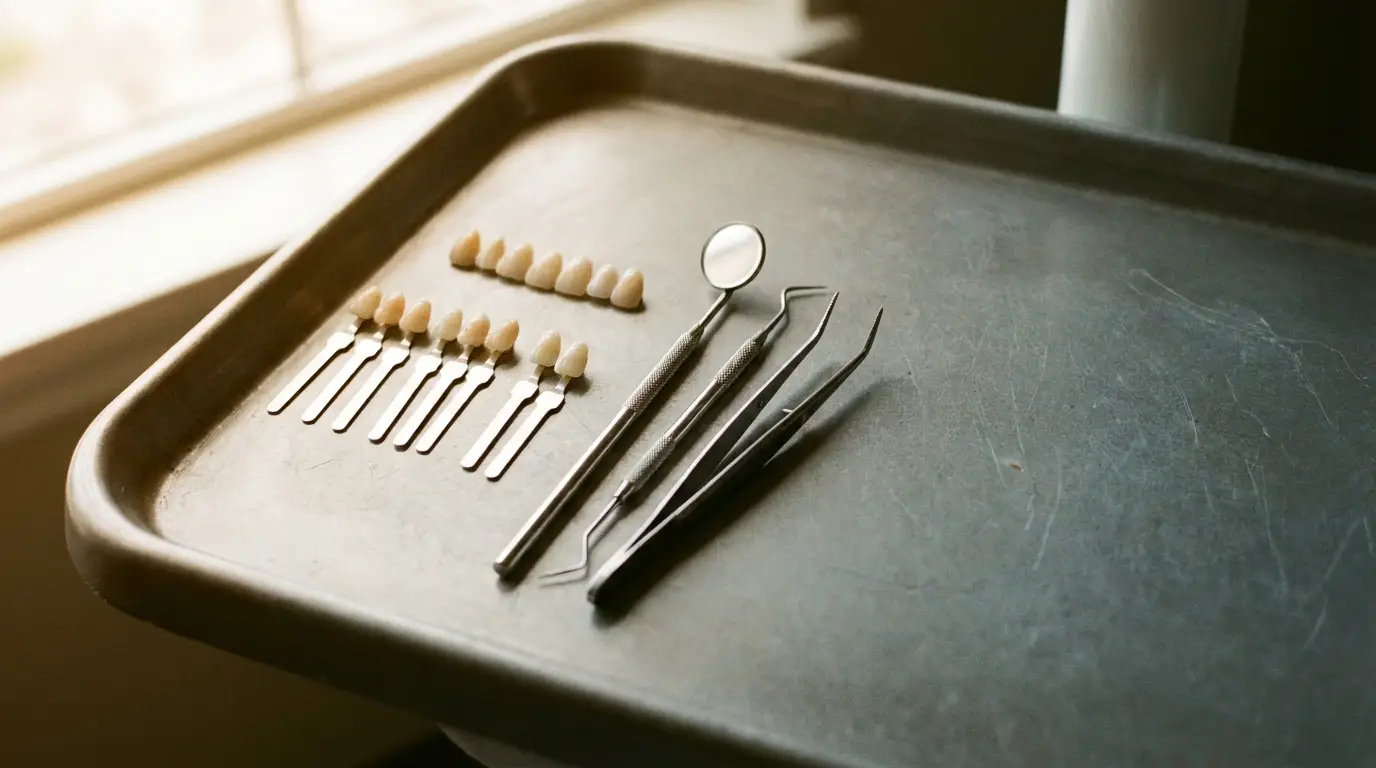
Modern dental technology has made smile planning more precise than ever before.
Digital smile design, advanced imaging systems and improved ceramic materials allow dentists to create highly personalised treatment plans. Instead of relying on a standard template, clinicians can consider facial proportions, lip movement, skin tone and individual preferences when designing a smile.
This personalised approach appeals to women who want results that feel authentic rather than artificial.
As cosmetic dentistry becomes more sophisticated, the focus increasingly shifts from creating perfect teeth to creating smiles that fit naturally with the rest of the face.
Confidence Is Often the Real Goal
Although cosmetic dentistry is frequently discussed in terms of appearance, confidence is often the underlying motivation.
Research consistently shows that people who feel comfortable with their smile tend to smile more often, which can positively influence social interactions and self-perception. For many women, the objective is not necessarily to look different but to feel less self-conscious.
That is one reason why subtle smile makeovers have become increasingly popular. They focus on addressing specific concerns while maintaining a natural overall appearance.
Clinics such as Cosmedica Dental in Istanbul report growing interest in smile design treatments that prioritise proportion, facial harmony and natural-looking results rather than dramatic cosmetic changes.
The Future of Beauty Looks Increasingly Holistic
Beauty routines continue to evolve beyond products alone. Skincare, wellness, nutrition, haircare and aesthetic treatments are increasingly viewed as connected parts of a broader approach to self-care.
The smile is becoming part of that picture.
Rather than chasing unrealistic standards, many women are focusing on improvements that help them feel more confident in their everyday lives. In that context, smile aesthetics are less about achieving perfection and more about supporting an overall sense of wellbeing, confidence and personal expression.
As beauty trends continue to move towards authenticity and refinement, it is likely that the role of the smile within modern self-care routines will only continue to grow.