Healthy skin is not built in one day. It depends on daily care, lifestyle habits, professional guidance, and treatments that support the skin’s natural renewal process over time. While at-home skincare is important, professional facial treatments can play a valuable role in maintaining a clearer, smoother, and more balanced complexion.
Many people think of facials as a luxury or a quick way to refresh the face before an event. In reality, regular skin treatments can support long-term skin health by addressing clogged pores, dryness, uneven texture, dullness, and early signs of aging.
How Facial Treatments Support Healthy Skin
The main goal is not only to make the skin look better immediately but also to improve its condition gradually.
Key benefits may include:
- Deep cleansing: Facials can remove impurities that regular cleansing may not fully address.
- Gentle exfoliation: Removing dead skin cells helps improve texture and radiance.
- Hydration support: Professional masks and serums can help restore moisture balance.
- Pore care: Proper extractions may reduce congestion and prevent clogged pores.
- Better product absorption: Exfoliated and well-prepared skin can respond more effectively to skincare products.
- Relaxation: Facial massage and calming treatments can reduce tension and support overall well-being.
The Connection Between Facials and Skin Renewal
The skin naturally renews itself, but this process can slow down with age or become disrupted by external factors. Dead skin cells may build up on the surface, making the complexion appear dull, rough, or uneven.
Facial treatments often include exfoliation, which helps remove this buildup. This can make the skin look brighter and feel smoother. More importantly, consistent exfoliation performed correctly can support a healthier-looking skin surface over time.
Why Professional Exfoliation Matters
At-home exfoliation can be helpful, but it is easy to overdo it. Harsh scrubs, strong acids, or frequent exfoliating products may irritate the skin barrier. A professional can choose a method that matches the person’s skin type and tolerance.
For sensitive skin, the approach may be very gentle. For oily or congested skin, the focus may be on reducing buildup and keeping pores clearer. For mature skin, exfoliation may be combined with hydration and firming ingredients.
Facial Treatments for Different Skin Concerns
One of the main advantages of professional skincare is customization. Not every person needs the same type of facial, and not every concern should be treated the same way.
Dry or Dehydrated Skin
Dry skin lacks oil, while dehydrated skin lacks water. Both can feel tight, rough, or uncomfortable. A hydrating facial may include gentle cleansing, soothing masks, and moisture-rich serums to help restore comfort and softness.
Oily or Congested Skin
Oily skin may be more prone to clogged pores, blackheads, and breakouts. A facial for this skin type may focus on deep cleansing, exfoliation, extractions, and balancing ingredients. The goal is not to strip the skin, but to help regulate it.
Sensitive Skin
Sensitive skin needs a careful approach. Strong products or aggressive techniques can make redness and irritation worse. A calming facial may use gentle formulas, cooling masks, and barrier-supporting ingredients.
Aging or Tired-Looking Skin
As skin matures, it may lose firmness, elasticity, and brightness. Anti-aging facials often focus on hydration, massage, exfoliation, and ingredients that support a smoother and fresher appearance.
The Role of Consistency in Facial Care
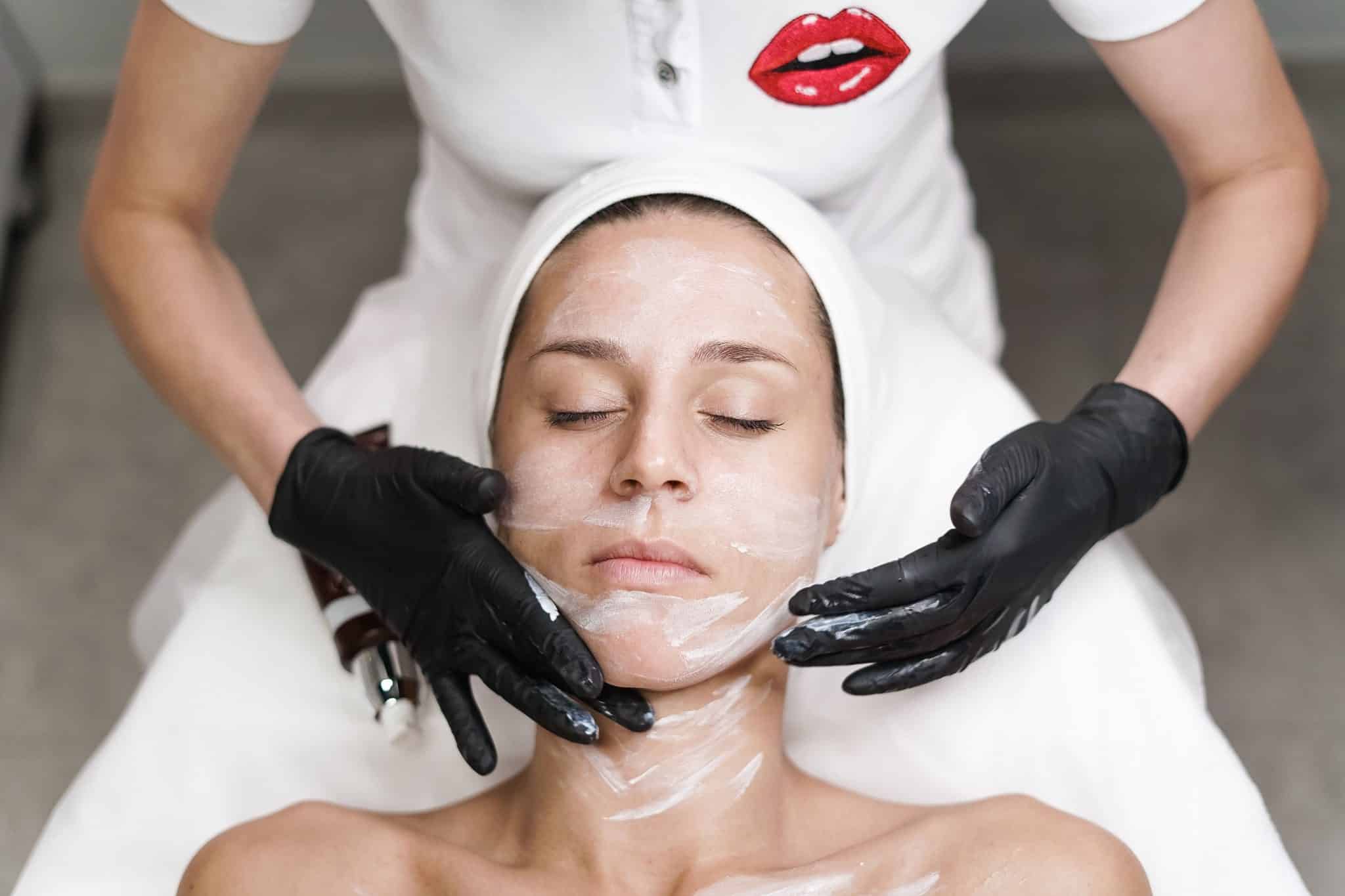
One facial can make the skin look fresher, but long-term benefits come from consistency. Just like exercise or healthy eating, skincare works best when it becomes a regular habit.
A common schedule is every four to six weeks, but the ideal frequency depends on skin type, goals, and lifestyle. Some people may benefit from monthly treatments, while others may only need seasonal maintenance.
Professional guidance can help determine the right rhythm.
Facial Treatments and Waxing: Why Skin Preparation Matters
For people who also book waxing services, skincare becomes even more important. Waxing removes hair from the root and can leave the skin temporarily more sensitive. Well-maintained skin often responds better to waxing because it is smoother, cleaner, and less prone to irritation.
Before waxing, it is usually best to avoid harsh exfoliation, strong acids, retinoids, and aggressive facial services for a short period. After waxing, the skin may need calming and hydrating care.
To keep the skin comfortable before and after waxing, it helps to follow a few simple rules:
- Avoid strong exfoliating products shortly before waxing.
- Keep the skin moisturized, but avoid heavy oils right before the appointment.
- Protect freshly waxed skin from direct sun exposure.
- Do not pick, scrub, or apply harsh products immediately after waxing.
- Ask a skincare specialist which facial services are safe to combine with waxing.
When facials and waxing are planned correctly, they can complement each other as part of a complete beauty routine.
Long-Term Benefits Beyond Appearance
Facials are often associated with beauty, but their value goes deeper than surface appearance. Healthy skin is more comfortable, more resilient, and better able to protect itself. A strong skin barrier helps reduce dryness, irritation, and sensitivity.
Regular treatments can also encourage people to pay more attention to their skin. They may become more consistent with sunscreen, more careful with product choices, and more aware of changes that need professional attention.